Ichneumon Wasps: The Diverse World of Darwin's Parasitoids
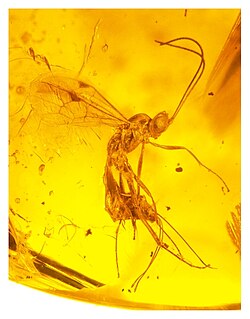
The family Ichneumonidae, commonly known as ichneumon wasps or Darwin wasps, represents one of the most vast and diverse groups within the order Hymenoptera. These remarkable insects have a history stretching back to the Early Cretaceous period, and they continue to thrive in ecosystems across the globe today. While they may not always be the most visible insects in a garden, their role in maintaining ecological balance is profound.
As parasitoids, most ichneumonid species follow a specific life cycle: they attack the immature stages of other insects or spiders. By targeting these hosts, the wasps eventually kill them, acting as natural regulators of various insect populations. This unique biological trait makes them highly promising agents for biological control in both natural and semi-natural environments.
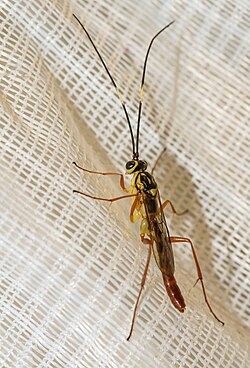
Key Facts
- Temporal Range: From the Early Cretaceous to the present day.
- Estimated Diversity: While roughly 25,000 species are described, estimates suggest there may be between 60,000 and over 100,000 species worldwide.
- Ecological Role: They act as vital regulators of insect and spider populations.
- Biological Classification: They belong to the order Hymenoptera and the superfamily Ichneumonoidea.
- Taxonomic Complexity: The family is so diverse that it is estimated to contain more species than birds and mammals combined.
Morphology and Identification
Distinguishing ichneumonids from their close relatives, the Braconidae, requires a keen eye for detail, specifically regarding wing venation. In the Comstock–Needham system, approximately 95% of ichneumonids possess the vein 2m-cu in their forewings, a feature absent in braconids. Additionally, the vein 1rs-m is absent in all ichneumonids but present in about 85% of braconids.
The structure of the metasoma (the posterior part of the body) also provides clues. About 90% of ichneumonids feature a flexible suture between the second and third tergites (segments of the abdomen), whereas these segments are typically fused in braconids. Female ichneumonids are also characterized by their ovipositor—an egg-laying organ that is often longer and more slender than the stingers found in other aculeate wasps.
| Feature | Ichneumonidae | Braconidae |
|---|---|---|
| Forewing Vein 2m-cu | Present in ~95% | Absent |
| Forewing Vein 1rs-m | Absent in all | Present in ~85% |
| Metasoma Structure | Flexible suture (2nd/3rd tergites) | Tergites typically fused |
Reproduction and Diet
The reproductive strategies of ichneumonids are highly specialized. They target various hosts to ensure the survival of their larvae. For example, some species, such as Rhyssa persuasoria, lay their eggs in dead wood to parasitize the larvae of beetles or sawflies. Others, like Zatypota albicoxa, specifically target spiders.
This diversity in host selection is reflected in their varied behaviors:
- Caterpillar Parasitism: Species like Phytodietus lay eggs directly on caterpillars.
- Cocoon Targeting: Itoplectis maculator lays eggs within moth cocoons.
- Spider Predation: The larvae of Acrodactyla quadrisculpta are known to parasitize spiders.
Taxonomy and Systematics
The taxonomy of the ichneumonids remains a significant challenge for entomologists. Because the family is so immense and many species are small and difficult to identify, the phylogeny (the evolutionary relationships between species) is not yet fully resolved. Even the relationships between different subfamilies remain a subject of ongoing research.
As of 2019, morphological and molecular phylogenetic analyses have recognized 41 extant subfamilies, such as Ichneumoninae, Pimplinae, and Cryptinae, in addition to the extinct Labenopimplinae. Due to the sheer volume of species, DNA sequence data is currently only available for a very small fraction of the family, requiring massive computing power for detailed cladistic studies.
Frequently Asked Questions
Why are they called Darwin wasps?
They are often referred to as Darwin wasps, a name that has helped herald renewed efforts to unravel their complex evolutionary history.
Are ichneumon wasps dangerous to humans?
While they possess an ovipositor used for laying eggs in hosts, they are primarily known for their role as parasitoids of insects and spiders rather than as pests to humans.
How many species of ichneumon wasps exist?
While approximately 25,000 species have been described as of 2016, scientists estimate the true number could be between 60,000 and over 100,000.
What is the main difference between ichneumonids and braconids?
The primary distinction lies in their wing venation and the flexibility of the segments in their metasoma.
How do they help the environment?
They act as natural regulators of insect populations, which makes them excellent candidates for biological control in managing pest species.