Husband: Evolution of Roles, Etymology, and Cultural Perspectives
The term husband refers to a man involved in a marital relationship, commonly known as a spouse. While the core concept of marriage remains a foundational unit of family in many parts of the world, the specific rights, responsibilities, and societal status attributed to a husband have undergone significant transformations throughout history and across different cultures.
In many modern societies, heterosexual monogamous marriage is the prevailing norm, with legal systems often enforcing monogamy and prohibiting bigamy or polygamy. However, the traditional image of the husband as the sole paternalistic head of the household and primary provider is shifting. As gender roles evolve, many husbands now share financial responsibilities with their spouses, reflecting a global trend toward more dynamic family structures.
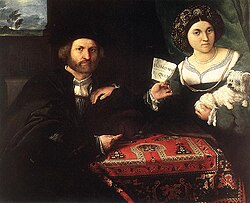
Key Facts
- Etymology: Derived from the Old English hūsbōnda, meaning "householder."
- Status Change: A man is a husband only while married; he becomes a widower upon the death of a spouse or an "ex-husband" following a divorce.
- Legal Rights: In many contemporary cultures, spouses have equal rights, including the ability to speak on behalf of an incapacitated partner.
- Cultural Variations: Traditions regarding dowries, bride prices, and property ownership vary significantly by region and history.
Etymology and Linguistic Origins
The linguistic roots of the word "husband" trace back to Middle English huseband and Old English hūsbōnda. This, in turn, stems from the Old Norse hūsbōndi, a combination of hūs (house) and bōndi (a dweller or householder). Essentially, the term historically identified a man as a householder.
It is important to distinguish between several related terms:
- Groom: A male participant specifically during a wedding ceremony.
- Husband: An institutionalized role held by a married man for the duration of the marriage.
- Father: A term defining a man in relation to his offspring, which may exist independently of a marriage.
- Husbandry: While once referring to household care, it now denotes the judicious use of resources or the science of agriculture.
Historical and Cultural Perspectives
Western Historical Status
In premodern Western societies—including ancient Roman, medieval, and early modern eras—husbands often held significant authority as "patrons." They were traditionally obligated to protect and support not only their wives and children but also the servants and animals within their domain. In the Middle Ages and Early Modern Europe, while marriage for love became an influential ideal, husbands generally enjoyed more societal opportunities than their wives, who often lacked legal independence.

Religious Traditions
Different faiths prescribe unique duties and structures for husbands:
- Christianity: Biblical teachings emphasize duties such as protecting the wife physically and spiritually, leading the family, and loving the spouse as oneself.
- Islam: Husbands are viewed as protectors of the household. Islamic law provides specific rights and obligations, and is the only major religion that places a cap on polygamy (limiting a man to four wives, provided he can treat them with justice).
- Hinduism: Traditionally, a Hindu husband provides for his wife, and marriage is viewed as a relationship spanning seven births. While modern laws (post-1951) have moved toward gender equality, traditional practices like the Saat Pheras around an agni kund (light pyre) remain central.
Global Legal Evolutions
Legal frameworks regarding marriage have shifted globally. In China, the 1950 marriage law granted spouses equal rights to manage marital property. In Japan, prior to the Meiji Civil Code of 1898, most of a woman's property passed to her husband. In contemporary secular Western culture, marriage laws often ensure equal rights and may require the wealthier spouse to provide alimony following a divorce.
Expectations of Fidelity
While most cultures expect spouses to remain faithful, historical legal codes often applied a double standard. In many jurisdictions, male adultery was treated less severely than female adultery. For example, in the Philippines, a wife can be charged with adultery for a single act of intercourse, whereas a husband may only be charged with concubinage, which requires specific conditions like cohabiting with a mistress or causing a public scandal.
A breach of fidelity, known as adultery or extramarital sex, can have significant legal consequences, including impacting property settlements and child custody during divorce proceedings.
Summary of Marital Terms and Status
| Status/Term | Context | Definition/Condition |
|---|---|---|
| Husband | Marriage | A man in a marital relationship. |
| Widower | Bereavement | A man whose spouse has died. |
| Ex-husband | Dissolution | A man following a legal divorce. |
| Groom | Ceremony | A male participant in a wedding. |
Frequently Asked Questions
What is the difference between a husband and a father?
A husband refers to a man's institutionalized role within a marriage, whereas a father refers to a man's relationship to his children, which can exist regardless of marital status.
Does the term "husband" apply to same-sex marriages?
Yes. In same-sex marriages between males, each participant is referred to as a husband.
What happens to a man's status if his spouse passes away?
Upon the death of a spouse, the man is no longer referred to as a husband but is instead called a widower.
How has the role of the "breadwinner" changed?
Traditionally, husbands were often the sole providers. In modern society, this role has shifted, and many husbands share financial responsibilities as spouses pursue various career paths.
What is the origin of the word husband?
The word comes from the Old English hūsbōnda, which means "householder," derived from Old Norse roots meaning to dwell in a house.