Hurricane Gustav: The Path and Impact of a Category 4 Major Storm
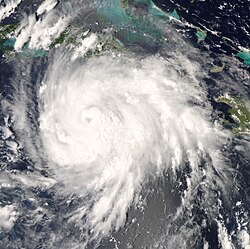
Hurricane Gustav was a devastating tropical cyclone that tore through the Caribbean and the United States Gulf Coast during the 2008 Atlantic hurricane season. As a Category 4 major hurricane, Gustav was characterized by its immense size and destructive power, leaving a trail of wreckage across multiple nations and claiming over 150 lives.
The storm's journey was marked by rapid intensification and a wide diameter, which increased the number of people exposed to its hazards. From its formation in late August to its dissipation in early September, Gustav tested the emergency preparedness of several countries.
Key Facts
- Peak Intensity: Category 4 major hurricane with maximum sustained winds of 155 mph (250 km/h).
- Lowest Pressure: 941 mbar (hPa).
- Total Fatalities: 153 deaths (112 direct, 41 indirect).
- Economic Damage: Approximately $8.31 billion (2008 USD).
- Timeline: Formed on August 25, became extratropical on September 4, and dissipated by September 7, 2008.
Meteorological History
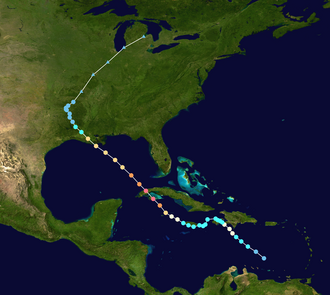
Hurricane Gustav began as a tropical depression on August 25, 2008. It quickly strengthened, evolving into a tropical storm and eventually a major hurricane. The storm reached its peak intensity as it approached western Cuba, with sustained winds hitting 155 mph and gusts reaching as high as 210 mph.
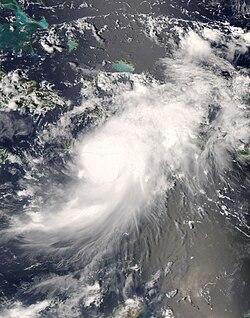
While the Saffir-Simpson scale (a system used to classify hurricanes based on sustained wind speed) categorized it as a Category 4, the storm was also notable for its physical size. Gustav was one of the largest-diameter hurricanes to ever strike the US Gulf Coast, meaning its wind field and rain bands affected a much broader area than smaller, equally intense storms.
![Hurricane Gustav was one of the largest-diameter US Gulf Coast hurricanes.[117] Though large size does not imply strength—which is based on sustained wind measurements—it can mean that more people are exposed to its hazards.[117]](/images/3d/3e/3d3e0635b87381fd832eea8e950be2a24d38e2dfdce5e024a1f26060f6297545.webp)
Impact Across the Caribbean
Hispaniola
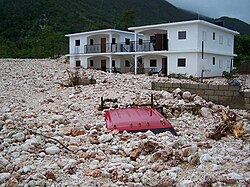
Gustav first struck Hispaniola, where it caused catastrophic flooding and landslides. Haiti was particularly hard-hit, suffering 77 fatalities. The storm brought intense precipitation to the region; for instance, Camp Perrin recorded 273.0 mm (10.75 inches) of rain.
Jamaica and the Cayman Islands
As the storm moved westward, it lashed Jamaica, resulting in 15 deaths and an estimated $3 billion in damages, primarily affecting the road network. The storm's passage through the Cayman Islands also brought significant disruption before it turned toward Cuba.
Cuba
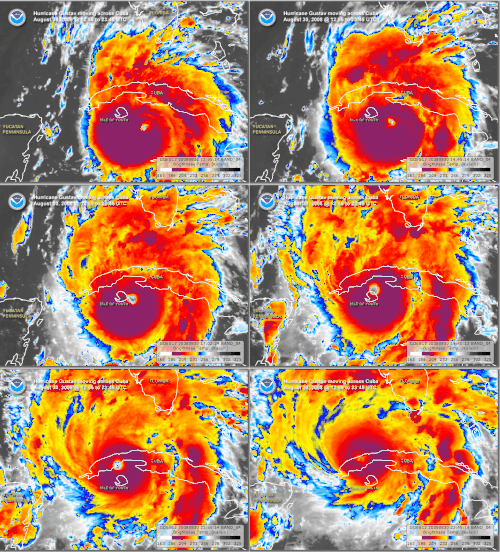
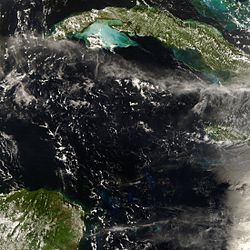
Gustav hit western Cuba as a powerful Category 4 storm. Cuban officials described the damage as some of the worst seen in 50 years. The storm's eye brought extreme winds and churning waters to the northern coast, causing mass destruction in the western provinces.
Impact on the United States
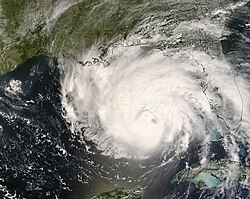
As Gustav entered the Gulf of Mexico, it remained a formidable Category 3 storm before making landfall. The threat prompted one of the largest evacuations in history, with approximately 1.9 million people fleeing south Louisiana.
Louisiana
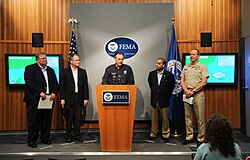
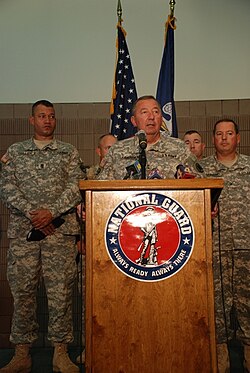
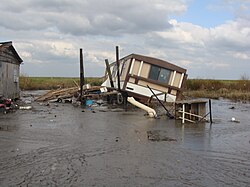
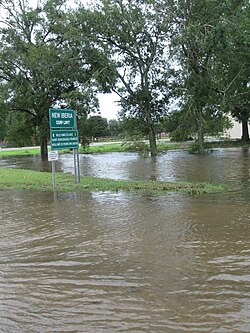
Louisiana bore the brunt of the storm's US impact. The hurricane made landfall southwest of New Orleans, causing widespread flooding and structural damage. In Terrebonne Parish, homes were tipped or flooded, and New Iberia saw significant street flooding. The state's response involved the activation of the Louisiana Army National Guard and coordination with FEMA.

Mississippi, Alabama, and Other States
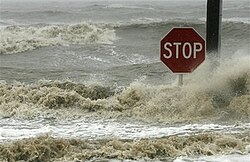
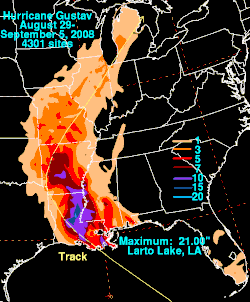
The storm's effects extended to Mississippi and Alabama, where crashing waves and storm surges damaged coastal infrastructure. Further inland, rainfall continued to be a concern, with significant totals recorded across the region.
Summary of Impact and Casualties
| Region | Fatalities |
|---|---|
| Haiti | 77 |
| United States | 53 |
| Jamaica | 15 |
| Dominican Republic | 8 |
| Total | 153 |
Frequently Asked Questions
What was the maximum wind speed of Hurricane Gustav?
Hurricane Gustav reached maximum sustained winds of 155 mph (250 km/h), with the highest gusts recorded at 210 mph (340 km/h).
How many people were killed by the storm?
A total of 153 people died due to Hurricane Gustav, consisting of 112 direct deaths and 41 indirect deaths.
Which country suffered the highest number of fatalities?
Haiti suffered the highest number of fatalities, with 77 deaths reported.
Why was the size of Hurricane Gustav significant?
Gustav was one of the largest-diameter hurricanes to hit the US Gulf Coast. While size does not determine wind strength, a larger storm exposes a greater number of people and a wider geographic area to hazards like wind and flooding.
What was the total economic cost of the damage?
The total damage caused by Hurricane Gustav was estimated at $8.31 billion (2008 USD).
What happened to the name 'Gustav' after the storm?
Due to the extensive damage and loss of life, the name Gustav was retired from the list of Atlantic hurricane names.