HPO Axis Regulation and the Mechanisms of Reproductive Control
The reproductive system is governed by a complex communication network known as the Hypothalamic-Pituitary-Ovarian (HPO) axis. This system ensures that the body only initiates reproductive processes when physiological and energetic conditions are optimal. By utilizing a series of feedback loops and pulsatile hormone releases, the HPO axis coordinates everything from the onset of puberty to the monthly menstrual cycle.
The Foundation of Hormonal Control
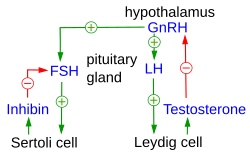
The process begins in the hypothalamus, located in the brain, which secretes Gonadotropin-Releasing Hormone (GnRH). This hormone travels through the hypophyseal portal system to the adenohypophysis (the anterior portion of the pituitary gland). Upon binding to specific receptors, it stimulates the production of two primary gonadotropins: Luteinizing Hormone (LH) and Follicle-Stimulating Hormone (FSH), which are then released into the bloodstream.
Crucially, GnRH must be released in pulses. Continuous secretion actually uncouples the gonads from pituitary regulation, leading to decreased gonadotropin synthesis and a state of hypogonadism. The frequency of these pulses determines which hormone is prioritized: rapid pulses promote LH synthesis, while slower pulses favor FSH production. This sensitivity is managed by a network of mitogen-activated protein kinases (MAPKs), including ERK1/2, JNK, p38, and ERK5.
Key Facts
- Pulsatility is Essential: GnRH must be released in pulses; continuous release suppresses the reproductive system.
- Hormonal Balance: Rapid GnRH pulses favor LH, while slower pulses favor FSH.
- Metabolic Gating: Leptin and insulin stimulate the HPO axis, while ghrelin inhibits it to prevent pregnancy during energy deficits.
- Bistability: The HPO axis switches between two stable states (follicular and luteal phases) to maintain a cyclical pattern.
- Kisspeptin's Role: Acts as the central processor that relays peripheral signals to GnRH neurons.
The Role of Kisspeptin and Metabolic Signals
Kisspeptin, a neuropeptide encoded by the KISS1 gene, acts as a critical mediator of the HPO axis. It binds to the KISS1R (GPR54) receptor on GnRH neurons to stimulate hormone release. In humans, these neurons are located in the preoptic area (POA) and the arcuate nucleus (ARC). While ARC neurons mediate negative feedback, POA neurons facilitate the preovulatory LH surge.
The HPO axis also integrates metabolic data to ensure the body has enough energy for reproduction:
- Leptin: Produced by adipocytes (fat cells), leptin stimulates GnRH secretion indirectly via mediators like neuropeptide Y and kisspeptin neurons. It acts as a permissive signal for the onset of puberty.
- Insulin: This metabolic hormone increases GnRH pulsatile secretion and LH release, an effect that is often more pronounced in females.
- Ghrelin: Known as the "hunger hormone," ghrelin inhibits GnRH neurons via the GHS-R receptor, potentially delaying puberty during periods of energy insufficiency.
The Menstrual Cycle and HPO Bistability
The HPO axis exhibits bistability, meaning it transitions between two distinct stable states: the follicular phase and the luteal phase. This switch is driven by the interaction of positive and negative feedback loops involving estrogen and progesterone.
The Follicular Phase
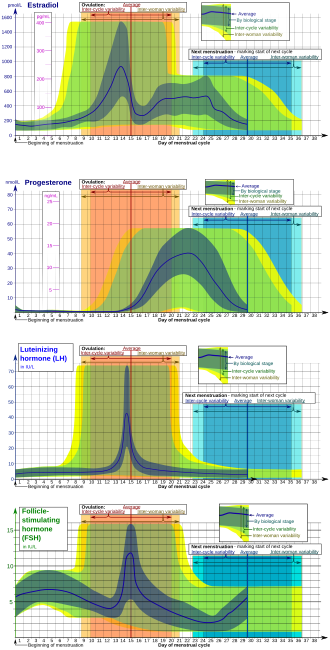
During this phase, FSH stimulates the recruitment of ovarian follicles. As the dominant follicle grows, it produces estradiol and inhibin B. Inhibin B suppresses FSH secretion, ensuring that only one dominant follicle survives while others undergo atresia (cell death), a process influenced by anti-Müllerian hormone (AMH).
Estrogen synthesis follows the "two-cell, two-gonadotropin hypothesis": LH stimulates theca cells to produce androgens, which are then converted into estradiol by granulosa cells under the influence of FSH.
Ovulation and the Luteal Phase
When estradiol levels reach a specific threshold, they trigger the LH surge approximately 34-36 hours before ovulation. This surge induces the release of the oocyte and the formation of the corpus luteum. The corpus luteum then secretes progesterone and inhibin A. As the corpus luteum eventually regresses (luteolysis), inhibin A and progesterone levels drop, allowing FSH to rise again and start a new cycle.
| Feature | Follicular Phase | Luteal Phase |
|---|---|---|
| Dominant Inhibin | Inhibin B | Inhibin A |
| Primary Steroid | Estradiol | Progesterone |
| FSH Trend | Initial rise, then suppressed | Rises at the very end |
| Key Event | Follicle selection | Corpus luteum formation |
Clinical Disruptions of the HPO Axis
When the bistable nature of the HPO axis is disrupted, reproductive disorders occur. In Polycystic Ovary Syndrome (PCOS), the GnRH pulse generator becomes less sensitive to negative feedback, leading to a persistent high-LH state. This stimulates excess androgen production, which further impairs feedback sensitivity, creating a self-perpetuating cycle of hyperandrogenism.
Conversely, hypothalamic amenorrhea occurs when metabolic stress or overtraining (common in elite athletes) prevents the transition to an active reproductive state. The body initiates infertility to avoid the energy demands of pregnancy. Recovery can take months or years, as the system remains in a state of energy-deficiency memory.
Frequently Asked Questions
Why is the pulsatile release of GnRH so important?
Pulsatile release is required to maintain the sensitivity of the pituitary gland. If GnRH is secreted continuously, it uncouples the gonads from pituitary regulation, leading to a decrease in LH and FSH production and resulting in hypogonadism.
How does ghrelin affect reproduction?
Ghrelin acts as a signal of energy insufficiency. It inhibits the firing rate of GnRH neurons via the GHS-R receptor, which can delay the onset of puberty or suppress reproductive function during periods of hunger.
What is the "two-cell, two-gonadotropin hypothesis"?
It describes the synthesis of estrogen: LH stimulates theca cells to produce androgens (androstenedione and testosterone), and FSH stimulates granulosa cells to convert those androgens into estradiol using the enzyme aromatase.
What causes the LH surge?
The LH surge is triggered when rising levels of estradiol from the dominant follicle reach a specific threshold, switching the HPO axis from negative to positive feedback via kisspeptin neurons in the preoptic area.
How does PCOS affect the HPO axis?
In PCOS, the GnRH pulse generator is less sensitive to estrogen and progesterone, leading to high LH levels. This causes the ovaries to produce excess androgens, which further disrupts the feedback loop and prevents normal ovulation.