Horn of Africa: Geography, History, and Cultural Evolution
The Horn of Africa, also known as the Somali Peninsula, is a strategic region in Eastern Africa covering approximately 1,882,757 square kilometers. This area is a crossroads of civilizations, characterized by a diverse landscape that ranges from arid plains to highland plateaus, and a history that stretches back to the very dawn of humanity.
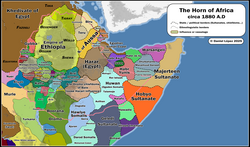
From its role as a cradle of early human evolution to its complex modern geopolitical landscape, the region encompasses several key administrative entities, including Djibouti, Eritrea, Ethiopia, and Somalia, as well as autonomous or breakaway regions like Somaliland, Puntland, and Jubaland.
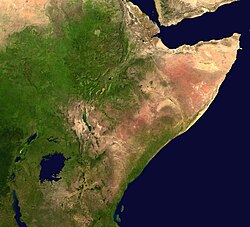
Key Facts
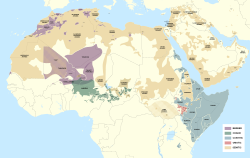
- Total Area: Approximately 1,882,757 km².
- Population: 140,683,144 (as of 2020).
- Ancient Heritage: Home to some of the oldest known Homo sapiens fossils, including the Omo remains.
- Linguistic Roots: Dominated by Cushitic and Semitic languages within the Afroasiatic family.
- Economic Profile: Regional GDP (PPP) was estimated at $106.224 billion in 2010.
Geography and Environment
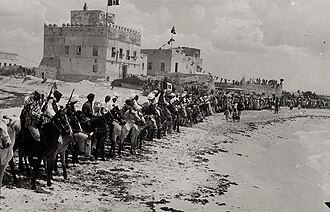
The region's geography is defined by its proximity to the Red Sea and the Gulf of Aden. The climate is predominantly arid to semiarid, which significantly influences the lifestyle and economy of its inhabitants.
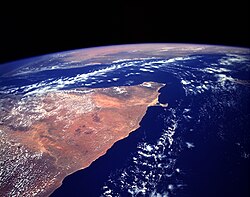
Ecologically, the Horn is home to unique species such as the Oryx beisa beisa and is world-renowned for the production of coffee and myrrh, resins that have fueled trade for millennia.
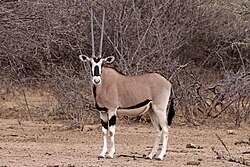
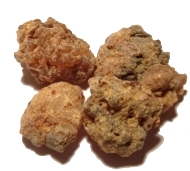

However, the region faces severe environmental challenges. As of 2023, a devastating drought and famine have persisted for six consecutive years, particularly impacting Somalia. This crisis is exacerbated by the fact that 60% of annual rainfall occurs in a narrow window from March to May, leaving millions of people at risk of food insecurity.
Human Origins and Ancient History
The Horn of Africa is scientifically significant as a primary site for early human development. In Ethiopia, researchers discovered the Omo remains (dating to approximately 233,000 years ago) and the Herto skull (approximately 160,000 years ago), providing critical evidence for the evolution of Homo sapiens.
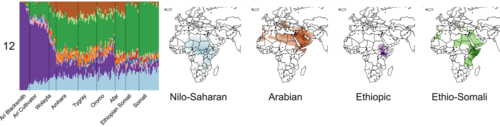
Beyond fossils, the region's genetic and linguistic history suggests early migrations. Historian Christopher Ehret notes that the M35/215 Y-chromosome lineage likely moved from the Horn into Egypt and the Levant around 17,000 years ago, a movement that paralleled the spread of the Afrasian language family.
The Rise of Civilizations
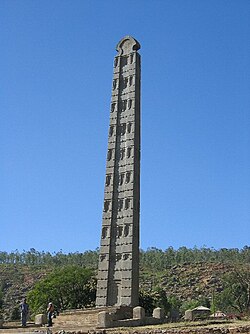
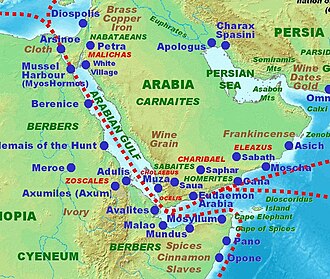
The region saw the emergence of powerful states, most notably the Aksumite Empire, which served as a hub for trade between the Roman Empire and ancient India.
Medieval and Early Modern Eras
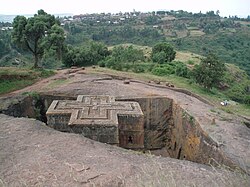
Between 1137 and 1270, the Zagwe dynasty, originating from the Cushitic-speaking Agaw people, ruled large portions of modern Ethiopia and Eritrea. They are famously remembered for the rock-hewn churches of Lalibela.
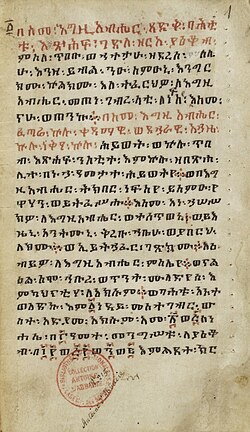
Following the Zagwe, the Solomonic dynasty took power in 1270, ruling the Ethiopian Empire for several centuries. This era was marked by significant intellectual and religious growth, exemplified by the works of philosophers like Zara Yaqob.
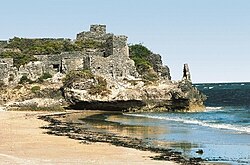
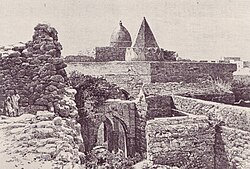
Simultaneously, the coastlines saw the rise of Islamic city-states and sultanates. The Sultanate of Mogadishu, established by Fakr ad-Din in the 13th century, and the later Ajuran Sultanate in Gondershe, became centers of commerce and political power.
Modern History and Geopolitics
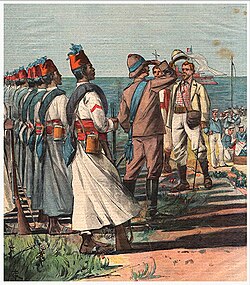
The 19th and 20th centuries brought colonial pressures and internal upheaval. In the late 1800s, France established a foothold in Obock, eventually creating French Somaliland (modern-day Djibouti) in 1894.
Ethiopia's modern era was dominated by Emperor Haile Selassie I. Despite his global prominence, Ethiopia was annexed by Italy during the Second Italo-Abyssinian War in 1935. The nation was later liberated in 1941 through the combined efforts of British forces and Ethiopian patriots.
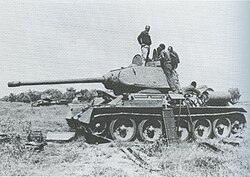
The political landscape shifted drastically in 1974 when the Derg, a Soviet-backed Marxist-Leninist military junta led by Mengistu Haile Mariam, deposed the Emperor. This period led to the 1977 Ogaden War, a conflict sparked by Somalia's attempt to incorporate the Ogaden region into a "Greater Somalia." The war ended after Ethiopia received massive military support from the USSR, Cuba, and other Eastern Bloc nations.
Regional Overview Summary
| Entity | Capital City | Key Historical/Geographic Note |
|---|---|---|
| Djibouti | Djibouti City | Former French Somaliland |
| Eritrea | Asmara | Former Italian colony |
| Ethiopia | Addis Ababa | Cradle of early Homo sapiens |
| Somalia | Mogadishu | Home to ancient coastal sultanates |
| Somaliland | Hargeisa | Breakaway state from Somalia |
| Puntland | Garowe | Autonomous region of Somalia |
Frequently Asked Questions
What is the significance of the Horn of Africa in human evolution?
The region is one of the most important sites for paleoanthropology, as it has yielded some of the oldest known Homo sapiens fossils, including the Omo remains (233,000 years ago) and the Herto skull (160,000 years ago).
Which language families are most prominent in the region?
The population is primarily composed of peoples speaking Cushitic and Semitic languages, both of which belong to the broader Afroasiatic (or Afrasian) language family.
Who were the Zagwe and Solomonic dynasties?
The Zagwe dynasty (1137–1270) consisted of Cushitic-speaking Agaw people known for building the Lalibela churches. They were succeeded by the Solomonic dynasty, which ruled the Ethiopian Empire for several centuries starting in 1270.
What caused the Ogaden War?
The Ogaden War broke out in 1977 when the Somali government, led by Siad Barre, attempted to incorporate the predominantly Somali-inhabited Ogaden region of Ethiopia into a Pan-Somali "Greater Somalia."
What are the current environmental threats to the region?
The Horn of Africa is currently facing a severe, multi-year drought and famine, particularly in Somalia, putting the lives of an estimated 22 to 58 million people at risk.