Home Secretary: Powers, Responsibilities, and Role in the UK Government
The Home Secretary is one of the most senior and influential ministers within the United Kingdom government. As the holder of a Great Office of State, the Home Secretary manages a vast remit that is critical to the stability and safety of the nation. Their primary responsibilities encompass law enforcement in England and Wales, national security, immigration, and the direct oversight of the Security Service, commonly known as MI5.
Despite the significant power associated with the role, the Home Secretary does not operate in isolation. Under the doctrine of Cabinet collective responsibility, their exercise of power depends on the ongoing consent of the Prime Minister and the rest of the Cabinet. The Prime Minister maintains the authority to overrule the Home Secretary's decisions or dismiss them from office entirely.
Historical examples of this dynamic include Boris Johnson reportedly overruling Priti Patel regarding the closure of UK borders, and Margaret Thatcher overruling Leon Brittan concerning parole for Ian Brady and Myra Hindley.
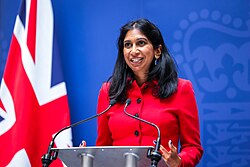
Key Facts
- Core Remit: Law enforcement (England and Wales), national security, immigration, and MI5 oversight.
- Accountability: Subject to the Prime Minister's authority and Cabinet collective responsibility.
- Key Legislation: Operates under various acts, including the Police Act 1996 and the Public Order Act 1986.
- Appointments: Responsible for appointing senior policing roles and the Director General of the National Crime Agency.
- Public Order: Holds the power to prohibit public processions to prevent serious disorder.
Law Enforcement and Policing
The Home Secretary wields substantial influence over the policing landscape in England and Wales. Under the Police Act 1996, the Secretary of State is granted various powers to ensure the effective functioning of law enforcement.
Senior Appointments and Oversight
The Home Secretary is central to the appointment of high-ranking police officials. For instance, the appointment of the Metropolitan Police Commissioner is made by the Home Secretary, often following consultation with the Mayor of London. Notable appointments include Cressida Dick and Sir Mark Rowley.
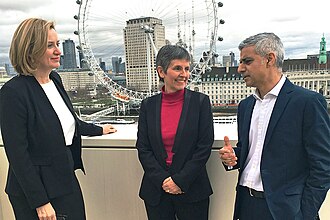
Beyond the Met, the Home Secretary appoints the Director General of the National Crime Agency (NCA) and the Chair of the College of Policing. They also advise the King on the appointment of inspectors for His Majesty's Inspectorate of Constabulary and Fire & Rescue Services (HMICFRS).
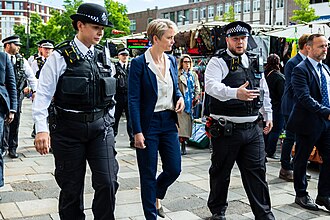
Policing Strategy and Legislation
The Home Secretary defines national threats and the capabilities required to counter them through the Strategic Policing Requirement (SPR). Police and crime commissioners, along with chief constables, must consider the SPR when performing their duties. Additionally, the Home Secretary is required to lay an annual police covenant report before Parliament.

Prisoner Release and Public Order
Under the Crime (Sentences) Act 1997 and the Criminal Justice Act 2003, the Home Secretary may release life or fixed-term prisoners on license if exceptional circumstances justify release on compassionate grounds, such as when a person is at risk of the death penalty.
Regarding public safety, the Public Order Act 1986 allows the Home Secretary to grant consent to prohibit public processions to avoid serious public disorder. A notable application of this power occurred in 2010–11, when Theresa May banned marches by the English Defence League.
National Security and Public Safety
The Home Secretary is the primary political authority for the UK's internal security. This includes the oversight of MI5, where the Home Secretary personally signs warrants for the most intrusive activities and remains accountable to Parliament for the service's work.
Counter-Terrorism and Proscription
Under the Terrorism Act 2000, the Home Secretary has the power to proscribe (ban) organizations believed to be involved in terrorism. They also appoint an Independent Reviewer of Terrorism Legislation to monitor the operation of counter-terrorism laws.
Drug Control and Public Health
The Home Secretary manages the classification of controlled substances under the Misuse of Drugs Act 1971. This includes appointing members to the Advisory Council for the Misuse of Drugs (ACMD) and issuing temporary class drug orders for new substances.
Citizenship and Passports
The Home Secretary manages the administration of British nationality and travel documents. Under the British Nationality Act 1981, they may deprive a person of British citizenship if it is deemed conducive to the public good or if the citizenship was obtained through fraud or false representation. They also hold the authority to issue, refuse, or withdraw British passports.
Summary of Home Secretary Responsibilities
| Domain | Key Responsibilities | Primary Legal Basis/Mechanism |
|---|---|---|
| Policing | Appointing Commissioners, setting Strategic Policing Requirements | Police Act 1996 |
| National Security | MI5 oversight, proscribing terrorist groups | Security Service Act 1989 / Terrorism Act 2000 |
| Public Order | Banning processions, seeking injunctions against protesters | Public Order Act 1986 / 2023 |
| Citizenship | Deprivation of citizenship, passport control | British Nationality Act 1981 |
| Justice | Compassionate release of prisoners | Criminal Justice Act 2003 |
Frequently Asked Questions
Can the Prime Minister overrule the Home Secretary?
Yes. Due to the doctrine of Cabinet collective responsibility, the Prime Minister can overrule the Home Secretary's decisions and has the authority to dismiss them from their post.
How does the Home Secretary oversee MI5?
The Home Secretary is the political authority under whom MI5 operates. They personally sign warrants for the agency's most intrusive activities and are accountable to Parliament for the service's operations.
What is the Strategic Policing Requirement (SPR)?
The SPR is a document produced by the Home Secretary that outlines current national threats and the policing capabilities needed to counter them. Chief constables and police and crime commissioners must consider this requirement in their functions.
Under what conditions can the Home Secretary revoke British citizenship?
Citizenship can be revoked if the Home Secretary is satisfied that doing so is conducive to the public good, or if the citizenship was obtained via fraud, concealment of material facts, or false representation.
What power does the Home Secretary have over public protests?
Under the Public Order Act 1986, the Home Secretary can prohibit public processions to prevent serious disorder. More recently, the Public Order Act 2023 has granted powers to seek injunctions against protesters.