Exploring Hội An: A Journey Through Vietnam's Historic Trading Port
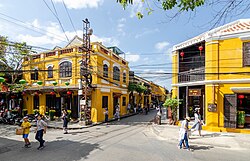
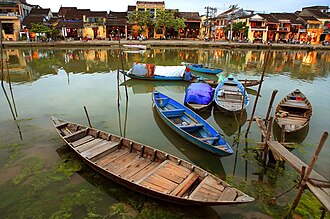
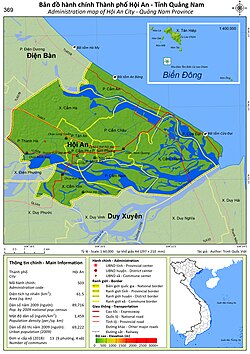
Nestled along the banks of the Hoài River, a tributary of the Thu Bồn River, lies Hội An—a city that serves as a living window into Southeast Asia's maritime history. Once a bustling international entrepôt, this provincial city in Quảng Nam Province has transformed from a vital commercial hub into a mesmerizing UNESCO World Heritage site. Today, it is celebrated not only for its well-preserved architecture but also for its vibrant culture, recognized by the UNESCO Creative Cities Network in 2023.
A Rich Tapestry of History
The story of Hội An is one of shifting tides and global connections. Long before its golden age, the region was shaped by the Cham period (2nd to 15th centuries). However, its most significant era of prosperity began under the control of the powerful Nguyễn clan in Southern Vietnam.
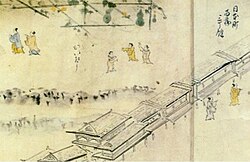
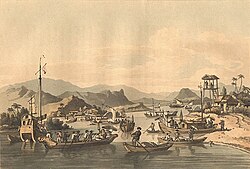
Starting around 1570, the Nguyễn lords focused heavily on commercial expansion. By building fortifications and prioritizing foreign trade, they transformed the port village of Faifo into the busiest international trading port in Southeast Asia. During this period, Hội An became a melting pot of cultures, attracting merchants from across the globe. Notable visitors included the English sailor William Adams in 1617 and early Portuguese Jesuits, who established residences in the area.
The Era of Decline
The city's dominance faced a major disruption during the 18th-century Tây Sơn rebellion. Conflict led to the destruction of much of the commercial district, and many wealthy merchants fled south to Saigon. While the port's commercial importance waned, the religious and cultural structures remained, preserving the architectural soul of the town for future generations.


Architectural Wonders of the Ancient Town
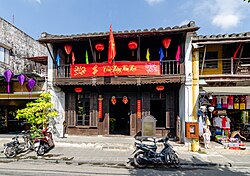
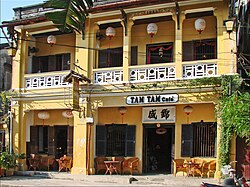
The heart of Hội An is the Ancient Town, located in Minh An Ward. Spanning approximately 2 square kilometers, the area is characterized by short, winding streets arranged in a chessboard pattern. The architecture is a unique blend of local Vietnamese styles and foreign influences, reflecting the diverse communities that once called this port home.
The buildings vary in style and era, creating a diverse urban landscape:
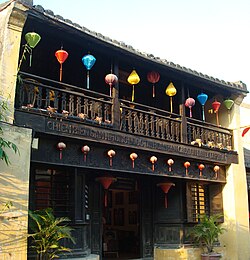
- Single-story wooden houses: Found primarily on Trần Phú and Lê Lợi streets, dating from the 18th to 19th centuries.
- Two-story houses with porches: Located on Trần Phú and Nguyễn Thị Minh Khai streets (late 19th to early 20th centuries).
- Two-story wooden houses with balconies: Common on Nguyễn Thái Học and Nguyễn Thị Minh Khai streets.
- Two-story brick houses: Found on Nguyễn Thái Học and Trần Phú streets.
- French-style houses: Located on Nguyễn Thái Học Street, reflecting early 20th-century colonial influence.
Sacred Landmarks and Community Halls
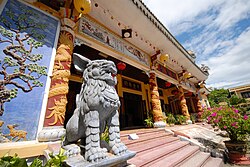
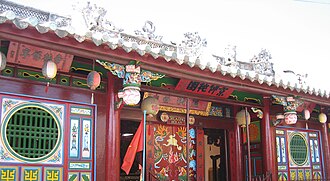
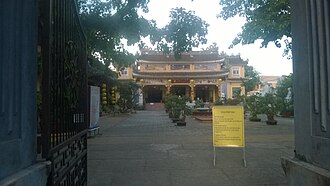
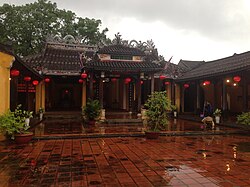
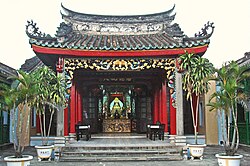
Hội An's spiritual life is anchored by its numerous temples and clan shrines. These structures often honor the pioneers of the city and the various Chinese communities that settled there. For example, the Quan Công Temple (built in 1653) is dedicated to Guan Yu, the "Paragon of Loyalty," and served as a religious hub where merchants sought blessings for successful trade.
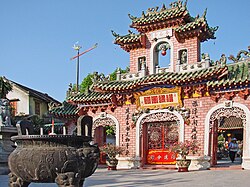
The city also features several prominent community halls (clan shrines) established by different Chinese groups:
- Fujian Community Hall: Established in 1792.
- Chaozhou Community Hall: Established in 1845.
- Hainan Community Hall: Established in 1875.
- Guangdong Community Hall: Established in 1885.
The Iconic Japanese Bridge
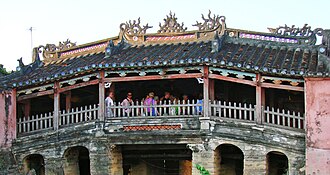
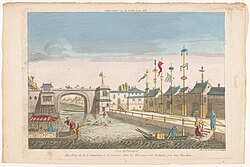
Perhaps the most famous landmark is the Japanese Bridge (Chùa Cầu). Spanning a small tributary of the Thu Bồn River, this 18-meter-long structure connects Trần Phú and Nguyễn Thị Minh Khai streets. While its exact origins are debated, it is believed to date back to 1593 and remains the only surviving ancient bridge in the area.
Cultural Preservation and Museums
To protect its heritage, Hội An maintains several museums that showcase its multifaceted history. From the ancient Sa Huỳnh culture to the global trade of ceramics, these institutions offer deep insights into the region's past.
- Museum of Trade Ceramics: Located in a restored 1858 wooden building, it houses artifacts from Persia, China, Thailand, and India.
- Museum of Sa Huỳnh Culture: Displays over 200 artifacts from the original settlers of the site, dating back over 2,000 years.
- Hội An Folklore Museum: The largest two-story wooden building in the old town, featuring nearly 500 artifacts related to folk arts and daily life.
Key Facts
- UNESCO Status: Declared a World Heritage Site in 1999.
- Location: Quảng Nam Province, Vietnam.
- Total Area: 60 km² (with the Ancient Town core covering 30 hectares).
- Population: Approximately 152,160 (as of 2018).
- Climate: Am (Tropical monsoon climate).
- Major Landmark: The Japanese Bridge (Chùa Cầu).
Summary of Hội An Heritage
| Category | Key Examples / Details |
|---|---|
| Ancient Houses | 1,068 documented relics |
| Religious Sites | 43 temples, 19 pagodas, 38 shrines |
| Community Halls | Fujian, Chaozhou, Hainan, and Guangdong halls |
| Major Bridge | Japanese Bridge (Chùa Cầu) |
| UNESCO Recognition | World Heritage Site (1999); Creative Cities Network (2023) |


Frequently Asked Questions
What makes Hội An a UNESCO World Heritage Site?
Hội An was recognized in 1999 as a well-preserved example of a Southeast Asian trading port from the 15th to 19th centuries. Its architecture displays a unique blend of local and foreign influences, reflecting its history as a global commercial hub.
What is the significance of the Japanese Bridge?
The Japanese Bridge, or Chùa Cầu, is the only surviving ancient bridge in the town. It is a symbol of Hội An and is believed to date back to the late 16th or early 17th century, reflecting the historical presence of Japanese merchants.
What can I learn at the Museum of Trade Ceramics?
The museum showcases the importance of Hội An as a major trading port by displaying ceramic artifacts originating from diverse regions, including Persia, China, Thailand, and India.
Is there a specific time to see the lantern festivals?
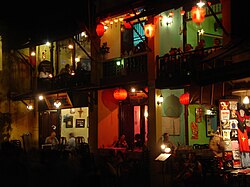
While lanterns are a constant part of the town's charm, the city is particularly famous for its vibrant atmosphere during special lunar events, such as the 14th night of the seventh lunar month.
What is the "Hội An wreck"?
The Hội An wreck is a shipwreck from the late 15th or early 16th century discovered near the Cham Islands. Excavations between 1996 and 1999 recovered nearly 300,000 artifacts, providing significant archaeological insight into ancient maritime trade.