Hodder & Stoughton: A History of British Publishing Excellence
From its humble beginnings in the mid-19th century to its current status as a powerhouse within the Hachette Livre group, Hodder & Stoughton has played a pivotal role in shaping the landscape of British literature. The firm has evolved from a specialist in religious texts to a global distributor of commercial fiction, academic journals, and educational resources.
The Foundations of the Firm
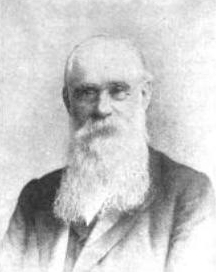
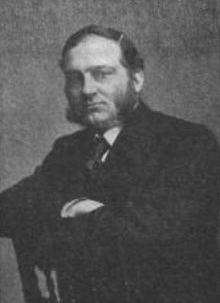
The company's origins date back to the 1840s when a 14-year-old Matthew Hodder began working for Messrs Jackson and Walford, the official publishers for the Congregational Union. By 1861, the partnership evolved into Jackson, Walford and Hodder. The definitive shift occurred in 1868 when Jackson and Walford retired and Thomas Wilberforce Stoughton joined the business, establishing the brand as Hodder & Stoughton.
Initially, the firm balanced religious and secular works. Its religious catalog was noted for progressive scholarship, such as George Adam Smith's Isaiah (part of the Expositor’s Bible series), which was among the first texts to suggest the Book of Isaiah had multiple authors. The firm also published Paul Sabatier, a French Protestant pastor, and expanded its international reach through Matthew Hodder's visits to North America, where he forged links with the Moody Press, Scribners, and Fleming H. Revell.
Expansion into Commercial Fiction and Education
The transition into secular fiction was gradual and initially constrained by moral censorship—a practice of restricting content deemed inappropriate for the public. For instance, Matthew Hodder expressed doubts about the Rubaiyat of Omar Khayyam, and the firm rejected Michael Arlen's The Green Hat in 1924. However, the company did publish an edition of Lewis Carroll's Alice's Adventures in Wonderland in 1922.
The 1920s marked a commercial turning point with the introduction of the "Yellow Jackets" series. These affordable editions served as precursors to the modern paperback and featured popular authors like John Buchan, Edgar Wallace, and Sapper's Bulldog Drummond. In 1928, the firm became the exclusive British hardback publisher for Leslie Charteris's The Saint series, a partnership that lasted until 1983. During this era, the company also acquired ownership of the prestigious medical journal, The Lancet.
The Rise of Educational and Adventure Series
In 1938, the firm launched the Teach Yourself line of self-instruction books, a brand that continues today through Hodder Headline's educational division. Their list grew to include works by Winston Churchill and accounts of Robert Peary's North Pole expedition.
During World War II, the Brockhampton Book Co. was established by Ralph Hodder Williams to sell theological overstocks. Under manager Ernest Roker, the company pivoted toward children's literature, leading to the 1942 debut of Enid Blyton's Famous Five series with Five on a Treasure Island.
The firm also became the home of Captain W. E. Johns' Biggles series after he left Oxford University Press. Between Hodder & Stoughton and Brockhampton Press, the companies published a combined 64 first editions of the Biggles books between 1942 and 1970.
Post-War Growth and Modernization
The post-war era saw the firm embrace a wider variety of genres. In 1953, they published Sir John Hunt's The Ascent of Everest and began a long-term collaboration with thriller writer John Creasey. By the 1960s, the fiction list expanded to include global bestsellers like Mary Stewart's Madam, Will You Talk? and critical non-fiction such as Anthony Sampson's The Anatomy of Britain (1962).
The 1970s and 80s were characterized by the use of imprints like Knight and Coronet. In 1974, the firm published John le Carré’s acclaimed Tinker, Tailor, Soldier, Spy. The 1981 acquisition of the New English Library (NEL) brought authors like Stephen King and James Herbert into their fold. In 1986, the Sceptre imprint was launched for literary works, publishing the Booker Prize-winning Schindler's Ark by Thomas Keneally.
Other major successes included Rosamunde Pilcher's The Shell Seekers and Jean M. Auel's The Clan of the Cave Bear, the latter of which sparked a series that has sold over 45 million copies worldwide.
The 21st Century and Hachette Livre
The corporate structure of the company shifted significantly at the turn of the millennium. In 1993, Headline acquired Hodder & Stoughton, and by 1999, the combined entity was acquired by W H Smith. In 2002, Hodder Headline acquired John Murray, and in 2004, the company was purchased by Hachette Livre.
Today, Hodder & Stoughton remains a premier destination for high-profile authors including John Grisham, Sophie Hannah, and Jodi Picoult. Recent successes include David Nicholls' One Day, which sold over two million copies and was adapted into a 2011 film. In 2014, the firm further expanded by acquiring the independent publisher Quercus.
In December 2023, the company updated its visual identity with a new logo featuring a stoat, a playful nod to the pronunciation of the name "Stoughton."
Key Facts
- Founded: Origins in the 1840s; formally became Hodder & Stoughton in 1868.
- Major Series: Originators of the "Teach Yourself" educational line and publishers of the Famous Five and Biggles series.
- Notable Acquisitions: Acquired the New English Library (1981), Edward Arnold (1987), and Quercus (2014).
- Award-Winning Works: Published Booker Prize winners The Bone People (1985) and Schindler's Ark (via Sceptre).
- Current Ownership: Part of the Hachette Livre group since 2004.
| Era | Key Focus/Development | Notable Titles/Authors |
|---|---|---|
| 1840s - 1860s | Religious Publishing | Congregational Union texts |
| 1920s - 1930s | Commercial Fiction & Education | The Saint, Teach Yourself series |
| 1940s - 1950s | Children's & Adventure | Famous Five, Biggles |
| 1960s - 1980s | Literary & Mass Market | Tinker Tailor Soldier Spy, Sceptre imprint |
| 2000s - Present | Global Commercial Powerhouse | Stephen King, John Grisham, One Day |
Frequently Asked Questions
How did the company get its name?
The firm began with Matthew Hodder working for Jackson and Walford. After Jackson and Walford retired in 1868, Thomas Wilberforce Stoughton joined Matthew Hodder to form Hodder & Stoughton.
What is the significance of the "Yellow Jackets"?
The "Yellow Jackets" were a series of affordable commercial fiction books published in the 1920s, which served as the precursors to the modern paperback book.
Did Hodder & Stoughton publish any medical journals?
Yes, the company owned the world-renowned medical journal The Lancet until it was sold to Elsevier in 1991.
Which famous children's series were published by the firm?
The firm and its subsidiary, Brockhampton Press, published the Famous Five series by Enid Blyton and the Biggles series by Captain W. E. Johns.
Who owns Hodder & Stoughton now?
The company is currently owned by Hachette Livre, which acquired it in 2004.
What does the new 2023 logo represent?
The new logo features a stoat, which is a reference to the pronunciation of the name "Stoughton."