Historically Black Colleges and Universities: Legacy, Impact, and Evolution
Historically Black Colleges and Universities (HBCUs) are institutions of higher education in the United States established before the Civil Rights Act of 1964. Their primary mission was to serve African American students during an era when most American colleges and universities prohibited Black enrollment.
Founded largely in the Southern United States, many of these institutions emerged during the Reconstruction era (1865–1877) following the American Civil War. By providing essential academic opportunities in the face of systemic exclusion, HBCUs became the primary engine for establishing and expanding the African-American middle class.
Key Facts
- Founding Era: Most were established during Reconstruction (1865–1877) or before the 1964 Civil Rights Act.
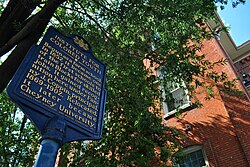
- Oldest Institution: Cheyney University of Pennsylvania, founded in 1837.
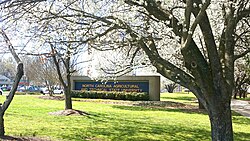
- Largest Institution: North Carolina A&T State University by enrollment.
- Financial Profile: 73% of HBCU students were Pell Grant eligible in 2023, compared to a 34% national average.
- Legislative Support: The Bipartisan Congressional HBCU Caucus advocates for these institutions on Capitol Hill.
The Historical Evolution of HBCUs
Early Foundations and Religious Influence
In the immediate aftermath of the abolition of slavery in 1865, Protestant religious organizations founded the majority of early Black colleges. These institutions provided a sanctuary for learning while Jim Crow laws enforced strict racial segregation across the South and quotas limited Black admissions in other regions.
The Second Morrill Act of 1890
A pivotal shift occurred with the passage of the Second Morrill Act. This federal legislation required segregated Southern states to provide public higher education for African Americans as a condition for receiving federal benefits, leading to a rise in public HBCUs.
Transition to PBIs
In the late 20th century, some institutions became known as Predominantly Black Institutions (PBIs). This status applies to schools that either expanded their inclusion of African Americans or gained specific minority-serving institution status, regardless of their founding date.
Current Academic and Demographic Status
While HBCUs remain centered on the Black experience, their student bodies have become increasingly diverse. In 1976, non-African American students made up 15% of enrollment; by 2015, this figure rose to 22%.
However, recent data highlights specific challenges. A 2024 study by the American Institute for Boys and Men found that Black men now comprise 26% of HBCU students, a decline from 38% in 1976.
Graduation and Financial Trends
Academic outcomes vary significantly across institutions. In 2023, the average 6-year undergraduate graduation rate for HBCUs was 35%, compared to a national average of 64%. Notably, Spelman College exceeded the national average with a 74% graduation rate.
Financial need is also more prevalent at HBCUs. Talladega College reported the highest percentage of Pell Grant eligible students among HBCUs at 95%.
Racial Diversity in Selected HBCUs
Post-2000 data shows a wide range of racial compositions across different institutions:
| College Name | State | African American (%) | Non-African American (%) |
|---|---|---|---|
| Bluefield State University | West Virginia | 8 | 92 |
| West Virginia State University | West Virginia | 8 | 92 |
| Kentucky State University | Kentucky | 46 | 54 |
| University of the District of Columbia | District of Columbia | 59 | 41 |
| Delaware State University | Delaware | 64 | 36 |
| Fayetteville State University | North Carolina | 60 | 40 |
| Winston-Salem State University | North Carolina | 71 | 29 |
| Elizabeth City State University | North Carolina | 76 | 24 |
| Xavier University of Louisiana | Louisiana | 70 | 30 |
| North Carolina A&T State University | North Carolina | 80 | 20 |
| Lincoln University (Pennsylvania) | Pennsylvania | 84 | 16 |
Notable Alumni and Contributions
HBCUs have produced some of the most influential figures in American history across politics, arts, and science. Notable alumni include:
- Kamala Harris (Howard University) – First female Vice President of the United States.
- Lonnie Johnson (Tuskegee University) – NASA engineer and inventor.
- Alice Walker (Spelman College) – Novelist and poet.
- Jerry Rice (Mississippi Valley State) – Record-holding NFL wide receiver.
- Reginald Lewis (Virginia State) – First African-American to own a billion-dollar company.
Federal Support and Modern Initiatives
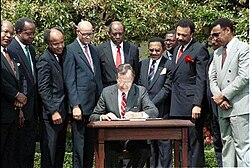
Governmental support for HBCUs has evolved to address historical underfunding. In 2025, President Donald Trump signed an executive order creating the White House Initiative to Promote Excellence and Innovation at HBCUs, providing nearly $500 million in federal support to enhance educational capacity.
The ongoing struggle with funding was highlighted in the September 2025 documentary The Price of Excellence, produced by The Century Foundation. The film, premiered at the Congressional Black Caucus Foundation's Annual Legislative Conference, examines the historical funding gap between HBCUs and their peer institutions.
Frequently Asked Questions
What is the difference between an HBCU and a PBI?
An HBCU is an institution established before 1964 with the specific intent of serving African American students. A Predominantly Black Institution (PBI) is a term used for schools that have a high percentage of Black students, regardless of when they were founded or their original mission.
Which HBCU is the oldest in the United States?
Cheyney University of Pennsylvania is the oldest HBCU in the nation, having been founded in 1837 as the Institute for Colored Youth.
How did the Second Morrill Act affect HBCUs?
The Second Morrill Act of 1890 required Southern states that practiced segregation to provide public higher education for African Americans if they wished to receive the Act's federal benefits, which spurred the growth of public HBCUs.
What is the current trend in student diversity at HBCUs?
HBCUs have become more racially diverse over time. Non-African American students (including White, Hispanic, Asian, Pacific Islander, and Native American students) made up 22% of total enrollment in 2015, up from 15% in 1976.
What is the Bipartisan Congressional HBCU Caucus?
Established in 2015 by Representatives Alma S. Adams and Bradley Byrne, this caucus consists of over 100 elected politicians who advocate for the interests and funding of HBCUs on Capitol Hill.