Hippolyte Bouchard: The French-Argentine Corsair of the Independence Wars
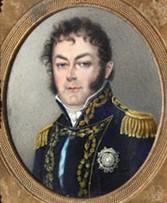
Hippolyte Bouchard was a man of two worlds—born in the coastal beauty of France but destined to become a legendary figure in the struggle for South American independence. Known in California as Pirata Buchar, Bouchard was a French-born sailor and corsair who dedicated his life to fighting for the liberation of Argentina, Chile, and Peru from Spanish rule.
His journey from a French merchant sailor to an Argentine citizen and naval commander is a saga of global adventure, spanning the Atlantic, Indian, and Pacific Oceans. His exploits not only challenged the Spanish Empire but also left a lasting mark on the maritime history of the Americas.
Key Facts
- Born: January 15, 1780, in Bormes-les-Mimosas, France.
- Role: French-born Argentine sailor and corsair (privateer).
- Key Allegiances: Argentina, Chile, and Peru.
- Major Vessel: The frigate La Argentina (formerly the Consecuencia).
- Global Reach: Conducted naval operations in the Atlantic, Indian Ocean, Philippines, Hawaii, and California.
- Death: January 4, 1837, near Palpa, Peru.
Early Life and Path to Argentina
Born as André Paul Bouchard in the village of Bormes-les-Mimosas on the Côte d'Azur, he began his career in the French merchant fleet and later the French Navy. He participated in high-stakes campaigns, including Napoleon Bonaparte's French Campaign in Egypt and the Saint-Domingue expedition. However, disillusioned by the trajectory of the French Revolution, Bouchard sought a new beginning in Argentina in 1809.
He joined the National Argentine Fleet and fought his first battle under the Argentine flag on March 2, 1811. His bravery continued through the defense of Buenos Aires against a Spanish blockade. In 1812, he joined the Mounted Grenadiers Regiment under the leadership of José de San Martín. After capturing a Spanish flag during the Battle of San Lorenzo in 1813, Bouchard was granted Argentine citizenship.
The Pacific Campaigns with Admiral William Brown
In 1815, Bouchard began a naval campaign under Admiral William Brown, targeting Spanish strongholds in El Callao and Guayaquil. On September 12, 1815, he received a corsair license—a legal authorization to attack enemy shipping—to command the French-built corvette Halcón.
The fleet, which included the frigate Hercules and the Santísima Trinidad, faced brutal conditions. While circumnavigating Cape Horn, Bouchard endured fourteen days of severe weather, leading him to believe the schooner Constitución had sunk; the ship and its crew were never found.
By January 1816, the fleet successfully blockaded El Callao, capturing several vessels including the San Pablo, Gobernadora, Carmen, and Místico. Although Admiral Brown was captured during a failed attempt to take the castle of San Carlos in Guayaquil, Bouchard and his allies successfully negotiated Brown's release in exchange for captured ships and correspondence chests.
The Global Voyage of La Argentina
Bouchard's most ambitious venture began with the frigate Consecuencia, which he renamed La Argentina. To prepare for a global campaign, the ship was outfitted with 34 artillery pieces, including bronze and iron cannons provided by the Argentine state.
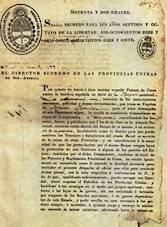
On July 9, 1817, Bouchard set sail on a two-year voyage. He carried a letter of marque, a government document authorizing him to prey on Spanish commerce during the state of war between Spain and Argentina.
The voyage was fraught with difficulty. After fighting a shipboard fire and stopping in Madagascar for repairs—where he assisted British officers in stopping slave ships—Bouchard's crew suffered heavily from scurvy (a disease caused by vitamin C deficiency). Despite these hardships, he pushed forward toward the Spanish East Indies.
The Blockade of Manila
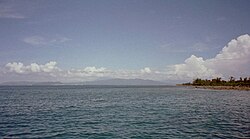
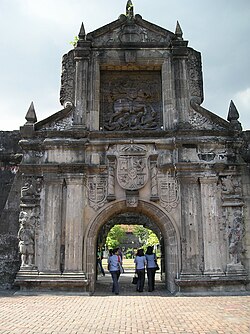
Arriving in the Philippines on January 31, 1818, Bouchard attempted to blockade Manila. While the city's walls and Fort Santiago were too heavily fortified for a direct assault, Bouchard plundered 16 nearby vessels over two months. This action caused food prices in Manila to double or triple, creating a state of despair among the inhabitants before Bouchard departed on March 30.
Raids in Hawaii and California
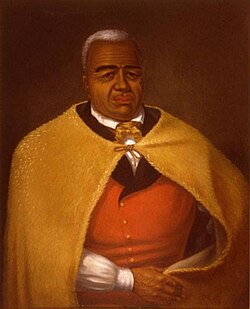
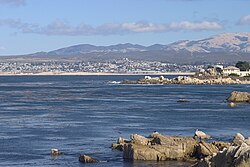
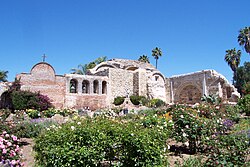
After visiting the Sandwich Islands (Hawaii), Bouchard turned his attention to the Spanish coast of California. He launched a daring raid on the port of Monterey. After a landing 7 km away from the fort, Bouchard's forces of 200 men—armed with rifles and spears—overcame the defenses led by José Bandini. The Argentines occupied the city for six days, burning the fort and governor's residence, though the residents remained unharmed.
Central American Exploits
Bouchard continued his campaign in Central America, capturing a brigantine in Sonsonate, El Salvador, and attacking the port of El Realejo. In a fierce battle, he captured three ships, keeping the lugger Neptuno and the schooner María Sofía, while burning others whose owners could not pay a sufficient ransom.
Arrest, Trial, and Final Years
Bouchard returned to Valparaíso, Chile, in July 1819, only to find that Thomas Cochrane had ordered his arrest on charges of piracy.
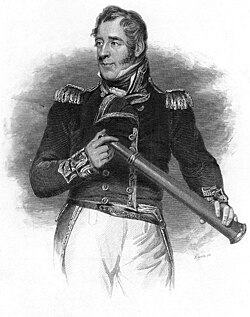
The legal battle was tense. Bouchard maintained that the Chilean government had no authority to judge him. The situation escalated when Argentine Colonel Mariano Necochea and the Mounted Grenadiers stormed La Argentina to reclaim it for the United Provinces. While the judge eventually returned the ships and documents to Bouchard in December, his booty and money were withheld, leaving him virtually bankrupt.
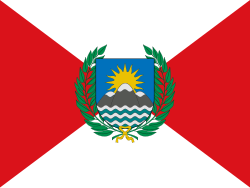
Bouchard spent his remaining years sailing Peruvian waters. He participated in the war against Gran Colombia in 1828 and briefly commanded the Peruvian Navy following the death of Admiral Martín Jorge Guise. He retired in 1829 after the loss of the ship Presidente and passed away on January 4, 1837.
Summary of Bouchard's Naval Career
| Period | Primary Vessel | Key Region | Outcome |
|---|---|---|---|
| 1815–1816 | Halcón | Pacific Coast (Peru/Ecuador) | Captured multiple Spanish ships; helped free Brown. |
| 1817–1819 | La Argentina | Global (Africa, Asia, Americas) | Blockaded Manila; raided California and Central America. |
| 1819–1829 | Santa Rosa / Others | Peru and Chile | Naval command in Peru; fought Gran Colombia. |
Frequently Asked Questions
Was Hippolyte Bouchard a pirate or a privateer?
While often called a pirate (including the nickname "Pirata Buchar"), Bouchard operated as a corsair or privateer. He held a legal "letter of marque" from the Argentine government, which authorized him to attack Spanish ships during a time of war.
Why did Bouchard attack California?
His attacks on California and the missions were part of a broader strategic effort to disrupt Spanish commerce and weaken the Spanish Empire's hold on its colonies to support the independence movements in South America.
What happened to the ship La Argentina?
After the legal disputes in Chile, the ship was stripped of its sails and cannons. Bouchard eventually renamed it Consecuencia and used it as a transport ship for soldiers and supplies before it was eventually sold as firewood.
How did Bouchard obtain Argentine citizenship?
Bouchard was granted citizenship after his bravery during the Battle of San Lorenzo in 1813, where he served in the Mounted Grenadiers and successfully captured a Spanish flag.
What was the impact of his Manila blockade?
Although he did not capture the city, his capture of 16 ships and the blockade of the San Bernardino strait severely disrupted supplies, causing the price of food in Manila to double or triple.