Hip-Hop History: From Bronx Block Parties to Global Dominance
Hip-hop is more than just a musical genre; it is a cultural phenomenon that transformed the global landscape of popular music. Originating from the streets of New York City, it evolved from local community gatherings into a multi-billion dollar industry, blending rhythmic vocal delivery known as rapping with innovative production techniques.
The genre's roots are eclectic, drawing influence from disco, funk, jazz, blues, R&B, soul, and spoken word. By utilizing tools like turntables, mixers, and drum machines, hip-hop creators redefined how music is composed and performed.
Key Facts
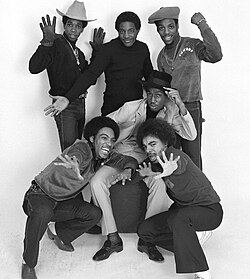
- Birthplace: 1520 Sedgwick Avenue, Bronx, New York.
- Founding Date: August 11, 1973.
- Pioneer: DJ Kool Herc, who began extending "breaks" in records.
- First Commercial Hit: "King Tim III (Personality Jock)" by Fatback Band (1979).
- Market Dominance: Became the bestselling music genre in the U.S. by 2017.
The Birth of Hip-Hop (1973–1979)
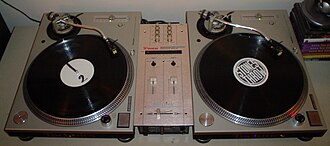
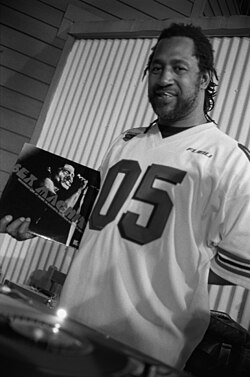
The origins of hip-hop are traced back to a back-to-school rent party hosted by Cindy Campbell on August 11, 1973. Her brother, DJ Kool Herc, used two turntables to isolate and extend the "break"—the percussion-heavy section of a song—allowing dancers to keep moving. This technique laid the foundation for the culture's rhythmic structure.

While Herc initially downplayed the influence of his Jamaican heritage, he later acknowledged the parallels between the Jamaican sound system culture and the emerging Bronx scene. This era, characterized by block parties and the rise of breaking (breakdancing), is known as old-school hip-hop.
The First Commercial Recordings
By the late 1970s, hip-hop moved from the parks to the recording studio. In March 1979, the Fatback Band released "King Tim III (Personality Jock)," generally cited as the first commercially released rap song. Shortly after, Mercury Records signed Kurtis Blow, whose track "Christmas Rappin'" sold 400,000 copies, and "The Breaks" became the first hip-hop single to be certified gold.
The Golden Age and Diversification (1983–1997)

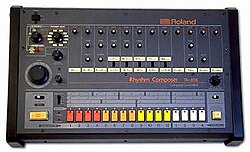
The mid-1980s marked the transition to the "new school," driven by the miniaturization of recording technology. The introduction of affordable samplers, synthesizers, and drum machines—most notably the Roland TR-808—allowed producers to create denser, more complex beats.
The period between the mid-1980s and mid-1990s is celebrated as the "Golden Age." During this time, the genre earned critical acclaim and massive commercial success. This era saw the rise of diverse styles, including boom bap, G-funk, and gangsta rap, alongside conscious and alternative hip-hop movements.
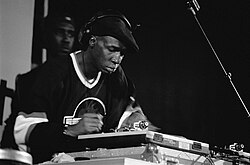
Mainstream Explosion
By 1990, rap had fully entered the pop mainstream. Public Enemy's Fear of a Black Planet became a critical hit, and MC Hammer's Please Hammer, Don't Hurt 'Em became the first hip-hop album certified diamond, selling over ten million copies. By 1999, hip-hop was the top-selling music genre in the U.S., with 81 million CDs sold.
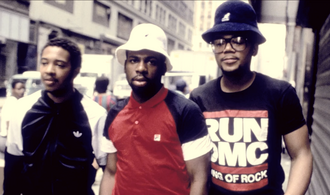
Regional Evolution and the Bling Era (1997–2007)
As the genre grew, distinct regional scenes emerged. The East Coast and West Coast rivalry dominated headlines, but the South began to exert significant influence. Atlanta artists like Outkast and Goodie Mob brought Southern hip-hop into the mainstream, with Outkast's Speakerboxxx/The Love Below winning the Grammy for Album of the Year.
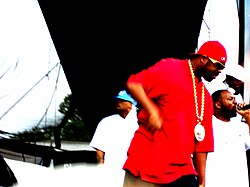
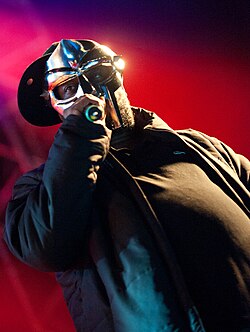
The late 1990s and early 2000s ushered in the "Bling Era," characterized by club-oriented tracks and themes of luxury. This period also saw the rise of crunk—a high-energy party style from Tennessee—and the emergence of alternative artists like MF Doom and Kanye West, whose introspective lyrics offered a contrast to the braggadocio of the mainstream.

The Digital Revolution: Blog and Streaming Eras (2007–Present)

The late 2000s saw a shift toward the "Blog Era," where artists used the internet to build followings independently of major labels. Although physical CD sales plummeted between 2005 and 2006, the internet revitalized the genre's reach.
By the mid-2010s, trap music—defined by heavy 808 kick drums and rapid hi-hats—became the dominant sound. Streaming platforms like Spotify and Apple Music replaced physical media, leading to a new era of consumption. In 2017, hip-hop/R&B officially surpassed rock as the most consumed musical genre in U.S. history.
Global Impact
Hip-hop has since become a global language. From Nigerian hip-hop incorporating local languages to the rise of Brooklyn drill and Puerto Rican Reggaeton, the genre continues to adapt and evolve across different cultures and continents.
| Era | Approx. Years | Key Characteristics | Notable Tech/Styles |
|---|---|---|---|
| Old School | 1973–1983 | Block parties, breaking, early rap | Turntables, Mixers |
| Golden Age | 1986–1997 | Critical acclaim, regional growth | TR-808, Samplers, Boom Bap |
| Bling Era | 1997–2007 | Club-oriented, luxury themes | Crunk, Southern Rap |
| Streaming Era | 2014–Present | Digital distribution, viral hits | Trap, SoundCloud Rap, Drill |
Frequently Asked Questions




When and where did hip-hop start?
Hip-hop began on August 11, 1973, at a party hosted by Cindy Campbell at 1520 Sedgwick Avenue in the Bronx, New York, where DJ Kool Herc pioneered the use of extended breaks.
What is the "Golden Age" of hip-hop?
The Golden Age occurred between the mid-1980s and mid-1990s. It was a period of immense innovation, diversification of styles (such as jazz rap and gangsta rap), and widespread critical and commercial success.
What is trap music?
Trap is a subgenre that became a mainstream sensation in the 2010s. It is characterized by a dark atmosphere, layered synthesizers, and heavy use of the Roland TR-808 drum machine, specifically double or triple-time hi-hats.
Who was the first rapper to have a major commercial hit?
While the Fatback Band released the first commercial rap song, Kurtis Blow was the first rapper signed to a major label, with "Christmas Rappin'" (1979) selling 400,000 copies.
How did the internet change hip-hop?
The internet led to the "Blog Era" and later the "Streaming Era," allowing artists to bypass traditional record labels to find audiences. This shift eventually made hip-hop the most consumed musical genre in the U.S. by 2017.