Southern Hip-Hop: The Evolution of the Dirty South
For decades, the narrative of hip-hop was dominated by the rivalry between the East and West Coasts. However, a powerful third force was simmering in the American South. Known colloquially as the Dirty South, Southern hip-hop emerged as a distinct cultural movement, blending regional traditions with innovative production to eventually reshape the global music landscape.
From the bass-heavy streets of Miami to the chopped-and-screwed rhythms of Houston, the South developed a sonic identity rooted in its own unique geography, slang, and social experiences. What began as a series of isolated local scenes evolved into a dominant force that redefined the sound of modern rap.
Key Facts
- Regional Hubs: Atlanta, Houston, Memphis, Miami, and New Orleans served as the primary epicenters.
- Defining Subgenres: Includes bounce, crunk, trap, chopped and screwed, Miami bass, and Memphis rap.
- Cultural Impact: Popularized global trends such as twerking, "bling-bling" jewelry, and specific car customization cultures.
- Sonic Innovation: The "Triggerman beat" became a foundational element for both Memphis and New Orleans styles.
The Foundations of the Southern Sound (1979–1992)
The early days of Southern hip-hop were characterized by local experimentation. In the 1980s, cities like Memphis and New Orleans began shaping their own styles, heavily influenced by the 1986 Showboys single "Drag Rap." Producers isolated a drum loop from this track, creating the Triggerman beat.
In Memphis, DJ Spanish Fly used the Triggerman beat to accompany the "Gangsta Walk," a local dance where participants marched in concentric circles. This sound eventually migrated to New Orleans, where it merged with Cameron Paul's "Brown Beats" to form the basis of bounce music—a high-energy style characterized by call-and-response vocals and heavy percussion.
Early bounce milestones include the 1991 live recording "Where Dey At" by DJ Irv Phillips and MC T. Tucker, and DJ Jimi's subsequent studio version in 1992, which brought the genre wider recognition.
Regional Styles and Powerhouses
New Orleans: From Bounce to Global Dominance
New Orleans hip-hop is synonymous with bounce, which often samples brass band music inspired by the city's second line tradition. While early tracks like Mannie Fresh and Gregory D's "Buck Jump Time" (1989) referenced local housing projects, the genre crystallized in the early 90s. DJ Jimi's album It's Jimi further defined the sound and introduced artists like Juvenile.
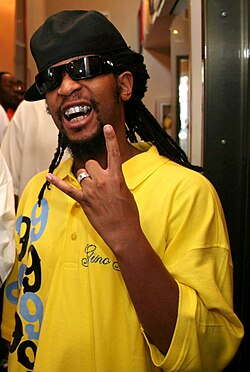
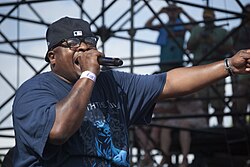
By the late 1990s, powerhouses like No Limit Records and Cash Money Records shifted away from pure bounce toward a more aggressive "gangsta rap" sound influenced by the West Coast. This era saw the rise of Mystikal and later Lil Wayne, who became one of the world's biggest stars and founded Young Money Entertainment, signing artists such as Drake and Nicki Minaj.
The city also fostered "sissy bounce," a movement led by gay and transgender artists. Founded by Katey Red and later popularized by Big Freedia, this subgenre brought a new dimension of inclusivity and performance to the scene.
Atlanta, Houston, and Miami
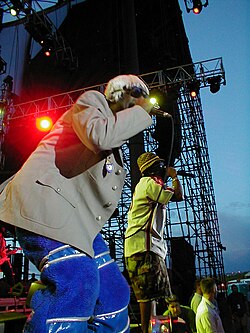
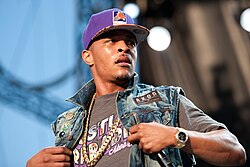
Atlanta eventually became the epicenter of the South's mainstream breakthrough, producing legendary acts like Outkast and defining the trap and crunk movements. Houston developed a unique identity centered on car culture and the innovative production of DJ Screw, who created chopped and screwed music—a technique of slowing down tracks to a syrupy pace.
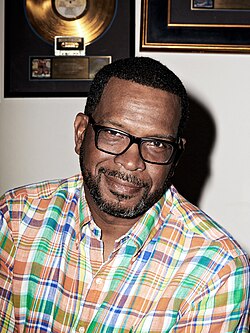
Miami contributed the heavy-hitting sound of Miami bass, driven by artists like Luther Campbell and 2 Live Crew, who pushed the boundaries of lyrical content and sonic intensity.
Cultural Signifiers: Dance, Slang, and Lifestyle
The Evolution of Dance
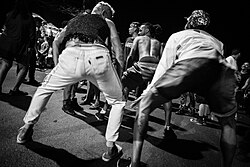
Southern hip-hop is inextricably linked to movement. In the 1980s, Miami saw the rise of "throwing the dick," a suggestive dance that inspired 2 Live Crew's "Throw the D." This is widely considered a precursor to twerking, which emerged in New Orleans in the early 1990s. The term was popularized by Cheeky Blakk's 1994 track "Twerk Something." Similarly, "pussy-popping" emerged alongside Miami bass before spreading across the region.
Language and "Bling"
The South has contributed significantly to the English lexicon. Miami is credited with early terms like "fuckboy" and "baby mama." Houston's UGK popularized the word trill (a portmanteau of "true" and "real"), signifying respect and Texan pride. Perhaps the most famous export is bling-bling, popularized by B.G.'s 1999 single; the term refers to lavish jewelry and was added to Webster's Dictionary by 2003.
Car Culture and "Lean"
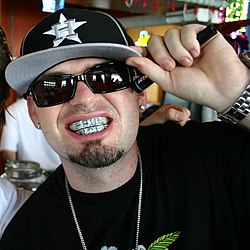
In Houston, the dependency on cars led to a culture of customization and "trunk rattling" audio systems. This environment birthed the chopped and screwed style, which was optimized for vehicle listening. Houston rappers like Paul Wall also popularized grills (decorative dental jewelry).
The region also saw the rise of lean, a cocktail of codeine-based cough syrup. Associated with DJ Screw and later promoted by Three 6 Mafia and Lil Wayne, the drug's sedative effects are often cited as an influence on the "woozy" delivery of 2010s mumble rap.
Southern Hip-Hop Summary
| City | Key Subgenres | Defining Traits | Notable Influences/Artists |
|---|---|---|---|
| New Orleans | Bounce, Gangsta Bounce | Triggerman beat, brass band samples | Cash Money, No Limit, Big Freedia |
| Houston | Chopped and Screwed | Slowed tempo, car culture, grills | DJ Screw, UGK, Paul Wall |
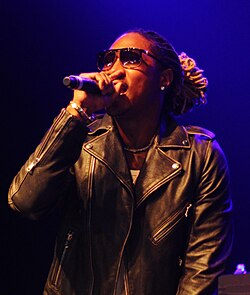
| Atlanta | Trap, Crunk | Heavy 808s, mainstream dominance | Outkast, T.I., Future |
| Miami | Miami Bass | High BPM, heavy bass, suggestive dance | 2 Live Crew, Luther Campbell |
| Memphis | Memphis Rap, Phonk | Gangsta Walk, dark atmospheres | Three 6 Mafia, DJ Spanish Fly |
Frequently Asked Questions
What is the "Triggerman beat"?
The Triggerman beat is a drum loop isolated from the 1986 Showboys song "Drag Rap." It became a foundational building block for Southern hip-hop, particularly in the development of Memphis rap and New Orleans bounce.
What does "trill" mean in Southern slang?
Popularized by the Houston group UGK, "trill" is a portmanteau of the words "true" and "real." It describes someone who is authentic, hard, and worthy of respect, often reflecting pride in a Texan identity.
How did "chopped and screwed" music start?
This style was pioneered by Houston's DJ Screw. It involves slowing down the tempo of a track and adding rhythmic skips or "chops," creating a syrupy, psychedelic sound that mirrored the effects of the drug lean.
What is the difference between bounce and trap music?
Bounce is a high-energy, call-and-response style from New Orleans often featuring brass samples and the Triggerman beat. Trap, primarily originating in Atlanta, is characterized by double-time hi-hats, heavy 808 bass kicks, and lyrics often centered on the "trap house" (drug dealing locations).
Where did the term "bling-bling" originate?
The term was popularized by New Orleans rapper B.G. in his 1999 single "Bling Bling." It originally referred to the glittering of expensive jewelry before becoming a general term for lavishness and wealth.