Hilton Worldwide: A Global Leader in Hospitality and Hotel Management
From its humble beginnings to becoming a titan of the global travel industry, Hilton Worldwide has defined the modern hotel experience. Founded by Conrad Hilton, the company has evolved from a single property into a massive network of luxury, lifestyle, and focused-service hotels that span the globe. Today, it operates as a public company traded on the NYSE under the symbol HLT and is a prominent component of the S&P 500.
Headquartered in Tysons, Virginia, Hilton Worldwide manages a diverse portfolio designed to meet the needs of every type of traveler, from high-net-worth individuals seeking opulence to business travelers looking for efficiency.

Key Facts
- Founder: Conrad Hilton
- Global Reach: 7,530 properties across 118 countries and territories (as of 2023).
- Scale: Over 1.18 million rooms worldwide.
- Financials: Reported revenue of US$ 11.2 billion in 2024.
- Workforce: Approximately 178,000 employees (2023).
- Leadership: Led by President and CEO Christopher J. Nassetta and Chairman Jonathan D. Gray.

The Evolution of a Hospitality Empire
Foundation and Early Expansion
The company's journey began with the vision of Conrad Hilton. By the 1950s, the brand began its aggressive international expansion, opening the Castellana Hilton in Madrid, Spain, in 1953. A pivotal moment occurred in 1954 when Hilton acquired the Hotels Statler Company for $111 million, which stood as the most expensive real estate transaction in the world at that time.
Modern Corporate Structure
Originally known as the Hilton Hotels Corporation (1919–2009), the company transitioned into Hilton Worldwide. While the company owns or leases 51 properties and manages 800, the vast majority of its global footprint is operated through franchising—a business model where independent owners pay for the right to use the Hilton brand and systems.
Diverse Brand Portfolio
As of 2026, Hilton Worldwide manages 22 distinct brands categorized into six internal segments to target specific market demographics.
Luxury and Lifestyle
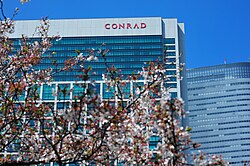
The luxury tier is headlined by the prestigious Waldorf Astoria Hotels & Resorts and Conrad Hotels, alongside LXR, NoMad, and Signia by Hilton. The Lifestyle category focuses on unique, boutique experiences through brands like Canopy, Curio, and the upcoming Undergraduate by Hilton (expected 2027).
Full, Focused, and All-Suite Services
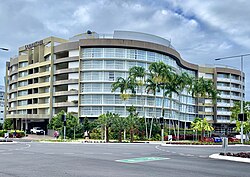
For traditional stays, Hilton Hotels & Resorts and DoubleTree provide full-service hospitality. Focused-service brands, such as Hampton by Hilton and Tru by Hilton, offer streamlined amenities for efficiency. For longer stays, the All-Suite category includes Embassy Suites, Homewood Suites, and Home2 Suites.


Vacation Ownership and Specialized Brands
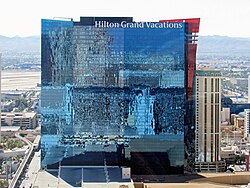
Hilton also ventures into vacation ownership through Hilton Grand Vacations and the Bluegreen Corporation. Additionally, the "Select by Hilton" category includes Yotel.
Corporate Responsibility and Culture
Beyond lodging, Hilton has integrated sustainability and ethics into its operations. In 2015, the company made a significant commitment to animal welfare, pledging to source 100% cage-free eggs by the end of 2017 and pork products without gestation crates by the end of 2018.
Financial and Operational Summary
| Metric | Value |
|---|---|
| Annual Revenue (2024) | US$ 11.2 Billion |
| Operating Income (2024) | US$ 2.22 Billion |
| Net Income (2024) | US$ 1.54 Billion |
| Total Assets (2024) | US$ 16.5 Billion |
| Total Properties (2023) | 7,530 |
| Total Rooms (2023) | 1,182,937 |
Frequently Asked Questions
Who founded Hilton Worldwide?
The company was founded by Conrad Hilton, who built the organization into a global leader in the hospitality industry.
How many hotels does Hilton have globally?
As of December 31, 2023, Hilton's portfolio includes 7,530 properties across 118 different countries and territories.
What is the difference between Hilton's luxury and focused-service brands?
Luxury brands like Waldorf Astoria and Conrad offer high-end, opulent experiences, while focused-service brands like Hampton by Hilton and Tru by Hilton provide essential amenities and efficiency for budget-conscious or business travelers.
Does Hilton own all of its hotels?
No. While Hilton owns or leases 51 properties and manages 800, the majority of its properties are operated through franchise agreements.
What are Hilton's animal welfare commitments?
Hilton committed to sourcing 100% cage-free eggs by December 31, 2017, and pork products produced without the use of gestation crates by December 31, 2018.