High Court of Australia: History, Jurisdiction, and Legal Legacy
The High Court of Australia serves as the ultimate judicial authority in the Australian legal system. Established on August 25, 1903, and authorized by Section 71 of the Australian Constitution, the court ensures the rule of law is upheld across the Commonwealth. Based in Canberra, Australian Capital Territory, it acts as the final court of appeal and the primary interpreter of the Constitution.
From its early days of defining the boundaries between state and federal powers to its modern role in recognizing native title, the High Court has shaped the social and political fabric of the nation.
Key Facts
- Established: August 25, 1903.
- Current Chief Justice: Stephen Gageler (since November 6, 2023).
- Composition: 7 Justices by statute.
- Retirement: Mandatory retirement at age 70.
- Location: Canberra, ACT, situated on the shore of Lake Burley Griffin.
- Primary Role: Highest court of appeal for state and territory supreme courts, the Federal Court, and the Federal Circuit and Family Court.
Jurisdiction and Legal Role
The High Court operates under two primary types of jurisdiction: original and appellate.
Original Jurisdiction
Original jurisdiction refers to cases that the High Court hears for the first time. This includes matters arising under any treaty, cases affecting consuls or representatives of other countries, and disputes where the Commonwealth is a party. It also handles disputes between States, or between a State and a resident of another State.
Under Section 76, Parliament may further confer original jurisdiction regarding:
- Interpretations of the Constitution.
- Laws made by the Parliament.
- Admiralty and maritime jurisdiction.
Appellate Jurisdiction
As the peak court, it hears appeals from the full courts of the Federal Court, the Federal Circuit and Family Court, and the supreme courts of various states and territories.
Historically, appeals could be made to the Judicial Committee of the Privy Council in the UK. However, these were abolished to ensure Australian judicial independence, culminating in the Australia Act 1986.
Historical Evolution and Notable Eras
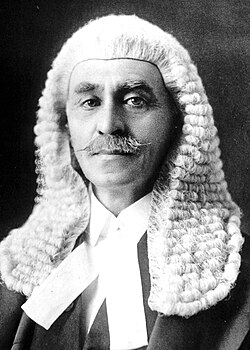
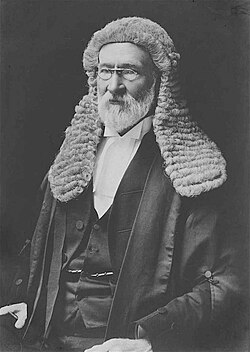
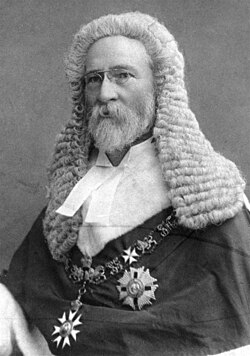
The court's history is often categorized by the tenure of its Chief Justices, each bringing a distinct legal philosophy to the bench.
The Early Courts (1903–1952)
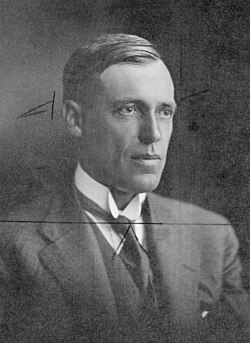
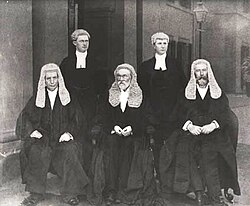
The Griffith Court (1903–1919) laid the foundation for Australian law. This was followed by the Knox, Isaacs, and Gavan Duffy courts, which handled critical cases such as Tuckiar v The King. The Latham Court (1935–1952) later dealt with high-profile matters including the Communist Party case.
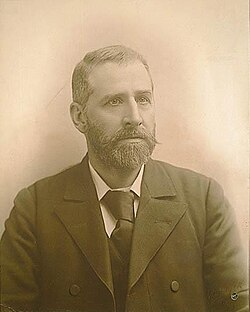
The Mid-Century and Modern Eras (1952–Present)
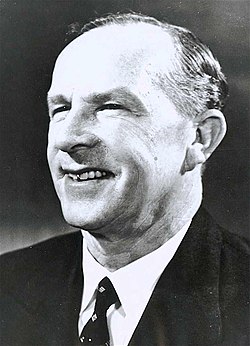
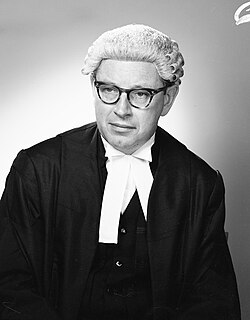
The Dixon Court (1952–1964) is remembered for the Boilermakers' case, while the Barwick Court (1964–1981) addressed sovereignty in the Seas and Submerged Lands case. The Gibbs Court (1981–1987) saw the landmark Tasmanian Dams case.
The Mason Court (1987–1995) presided over one of the most significant decisions in Australian history: Mabo v Queensland (No 2), which recognized native title under common law. Subsequent courts, including those of Brennan, Gleeson, French, and Kiefel, have continued to refine the law on political communication, parliamentary eligibility, and human rights.
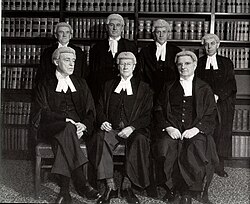
Court Composition and Administration
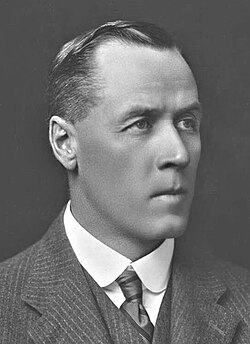
The court consists of seven justices, including the Chief Justice. Justices are appointed by the Governor-General on the nomination of the Prime Minister.
| Justice | State | Appointment Date | Retirement Date |
|---|---|---|---|
| Stephen Gageler (Chief Justice) | NSW | Nov 6, 2023 (as CJ) | July 4, 2028 |
| Michelle Gordon | Vic | June 9, 2015 | Nov 18, 2034 |
| James Edelman | WA | Jan 30, 2017 | Jan 8, 2044 |
| Simon Steward | Vic | Dec 1, 2020 | Jan 9, 2039 |
| Jacqueline Gleeson | NSW | March 1, 2021 | March 6, 2036 |
| Jayne Jagot | NSW | Oct 17, 2022 | June 18, 2035 |
| Robert Beech-Jones | NSW | Nov 6, 2023 | 2035 |
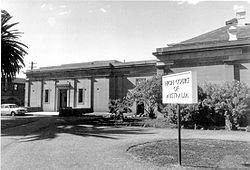
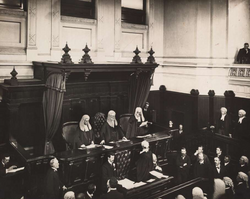
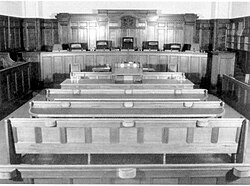
The court's physical presence has evolved from temporary courtrooms in Melbourne and Sydney to its current purpose-built home in Canberra.
Frequently Asked Questions


Who is the current Chief Justice of the High Court of Australia?
The current Chief Justice is Stephen Gageler, who assumed the role on November 6, 2023.
How are High Court Justices appointed?
Justices are nominated by the Prime Minister and formally appointed by the Governor-General.
What is the mandatory retirement age for High Court Justices?
All justices must retire upon reaching the age of 70.
What was the significance of the Mabo v Queensland (No 2) case?
The Mabo decision was a landmark ruling that found native title was recognized by Australia's common law, overturning the previous legal fiction of terra nullius.
Can cases still be appealed to the UK Privy Council?
No. Appeals to the Judicial Committee of the Privy Council were abolished to ensure the High Court of Australia is the final arbiter of Australian law.