Hezbollah: History, Ideology, and Political Influence in Lebanon
Hezbollah (Arabic for "Party of God") is a powerful Shia Islamist political party and militant group based in Lebanon. Since its emergence in the early 1980s, it has evolved from a clandestine paramilitary organization into a dominant force in Lebanese politics and a key player in the regional geopolitical landscape of the Middle East.
The organization operates as a hybrid entity, maintaining a sophisticated political wing that participates in national elections while simultaneously managing a formidable military wing, the Lebanese Resistance Brigades. This dual nature allows Hezbollah to provide social services and legislative influence while maintaining an independent armed force.
Key Facts
- Founded: 1982 in Beirut, Lebanon.
- Ideology: Based on Khomeinism, Shia Islamism, and anti-imperialism.
- Leadership: Currently led by Secretary-General Naim Qassem, with allegiance to the Supreme Leader of Iran.
- Military Strength: Estimated between 60,000 and 65,000 members as of 2023.
- Political Presence: Holds 15 out of 128 seats in the Lebanese Parliament (as of 2022).
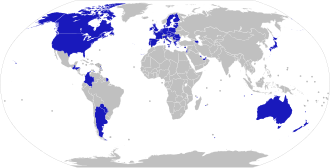
- International Status: Designated as a terrorist organization by several countries, including the US, UK, and Germany, though some nations recognize only its military wing.
Ideological Foundations and Origins
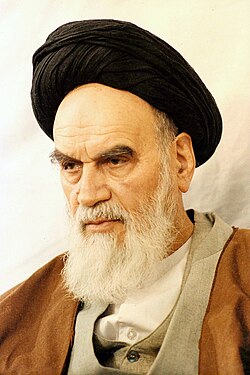
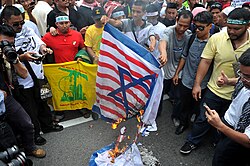
Hezbollah was established in 1982 during the Lebanese Civil War, heavily influenced by the Iranian Revolution and the teachings of Ayatollah Ruhollah Khomeini. Its core ideology blends Shia Islamism with Islamic nationalism and a strong commitment to anti-Zionism and anti-imperialism.
The group's early goals were outlined in its 1985 manifesto, which emphasized the liberation of Lebanese territory and the establishment of an Islamic state. Over time, the organization updated its political discourse, as seen in its 2009 manifesto, to better integrate into the Lebanese domestic political system while maintaining its commitment to the Axis of Resistance—an informal alliance of states and non-state actors led by Iran.

Organizational Structure and Leadership
Hezbollah is governed by a hierarchical structure that ensures both ideological purity and operational efficiency. The Secretary-General serves as the primary leader, though the organization maintains a deep spiritual and strategic allegiance to the Supreme Leader of Iran.
Political and Executive Wings
The political wing manages the group's participation in the Lebanese government through the Loyalty to the Resistance Bloc. This wing handles diplomatic relations, social welfare programs, and electoral campaigns. The Executive Council oversees the administration of these social and political activities.
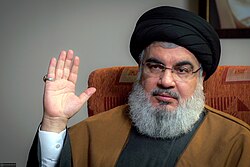
Military Wing: The Lebanese Resistance Brigades
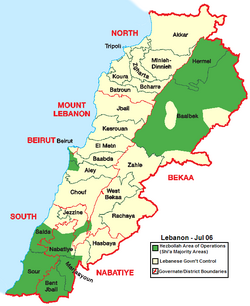
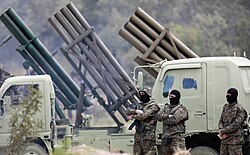
The military operations are managed by the Jihad Council and executed by the Lebanese Resistance Brigades (Saraya al-Moukawama al-Lubnaniyya). This wing is responsible for the group's armed strength, training, and strategic engagements, particularly in Southern Lebanon.
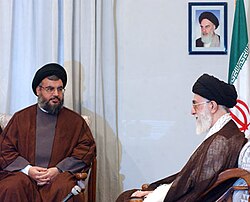
Military History and Regional Conflicts
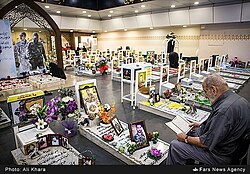
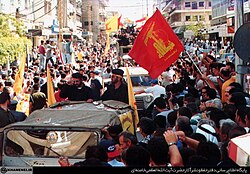
Hezbollah's military trajectory is defined by its long-standing conflict with Israel and its interventions in regional wars. The group first gained prominence during the South Lebanon conflict (1985–2000), eventually celebrating the Israeli withdrawal from Southern Lebanon in May 2000.
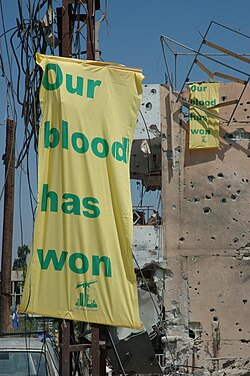
The 2006 Lebanon War marked a significant escalation, resulting in widespread destruction and a subsequent period of rearming. Beyond Israel, Hezbollah has expanded its operational reach, providing military support during the Syrian Civil War and participating in Iranian-led interventions in Iraq.
The group has also been linked to activities outside the Middle East, with reports of operations in Latin America and the United States, as well as alleged bases in Cuba.
Political Influence and Public Perception
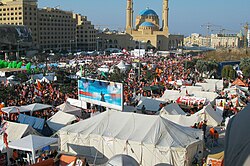
Hezbollah is a central pillar of the March 8 Alliance in Lebanon. Its electoral performance has grown steadily, increasing its share of parliamentary seats from 8 in 1992 to 15 in 2022.
Public opinion of the group within Lebanon is deeply polarized along sectarian lines. While it enjoys overwhelming support among the Shia population, it is viewed very negatively by a majority of Sunni and Christian citizens.
Summary of Hezbollah's Profile
| Category | Details | |
|---|---|---|
| Headquarters | Beirut, Lebanon | |
| Primary Allegiance | Iran (IRGC) | |
| Key Military Wing | Lebanese Resistance Brigades | |
| Parliamentary Bloc | Loyalty to the Resistance Bloc | |
| Estimated Size (2023) | 60,000 - 65,000 members |
International Designations
The international community is divided on how to classify Hezbollah. Many Western nations, including the United States, Canada, and the United Kingdom, designate the entire organization as a terrorist group. In contrast, the European Union and France have historically distinguished between the political wing and the military wing, though this stance varies by jurisdiction.
Frequently Asked Questions
Who is the current leader of Hezbollah?
The current Secretary-General and leader of Hezbollah is Naim Qassem.
What is the relationship between Hezbollah and Iran?
Hezbollah maintains a strong allegiance to Iran, receiving significant funding, training, and strategic guidance from the Iranian government and the Islamic Revolutionary Guard Corps (IRGC).
Does Hezbollah participate in the Lebanese government?
Yes, Hezbollah has a political wing that contests elections and holds seats in the Lebanese Parliament through the Loyalty to the Resistance Bloc.
What is the Axis of Resistance?
The Axis of Resistance is an informal international alliance of countries and militant groups, led by Iran, that opposes Western influence (particularly the US) and Zionism in the Middle East.
How is Hezbollah viewed by different religious groups in Lebanon?
Support is highest among the Shia community. Conversely, the group is generally viewed negatively by the majority of Sunni and Christian populations in Lebanon.