Helsingborg: The Pearl of the Strait
Perched on the northwestern coast of Scania, Helsingborg is a scenic coastal city known as the "Pearl of the Strait." As the second-largest city in Scania and the ninth-largest in Sweden, it serves as a vital urban hub and the closest point of contact between Sweden and Denmark. The Danish city of Helsingør is clearly visible just 4 km (2.5 mi) across the Øresund, the narrow strait that has shaped the city's destiny for centuries.
The city is a captivating blend of historical charm and modern commerce. Visitors can wander through a landscape featuring stone-built churches, wide avenues, and narrow alleyways. Notably, Kullagatan, the city's main pedestrian shopping street, holds the distinction of being the first pedestrian shopping street in Sweden.
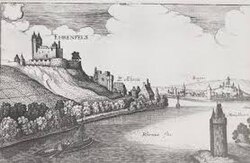
Key Facts
- Population: 151,404 (2024)
- Location: Scania (Skåne), Sweden
- Charter Date: May 21, 1085
- Key Landmark: Kärnan, a 600-year-old medieval fortress
- Strategic Position: Narrowest point of the Øresund strait
- Climate: Oceanic (Cfb) with mild winters
A Journey Through History
Helsingborg is among Sweden's oldest cities, with official permanent settlement dating back to 1085. Due to its strategic location, it was historically crucial for Denmark, which controlled both sides of the strait. In 1429, Eric of Pomerania introduced the Sound Dues, a tax on trading vessels passing through the sound, which became a primary income source for the Danish Crown.
The city's sovereignty shifted following the Dano-Swedish War (1657–1658). Under the Treaty of Roskilde, Denmark ceded its southern Scandinavian territories, and King Charles X Gustav of Sweden took possession of the land on March 5, 1658. The border remained volatile for years; the last major Danish attempt to reclaim the region occurred in 1710, culminating in the Battle of Helsingborg on March 10.
Modern Growth and Humanitarian Legacy
Industrialization in the mid-19th century sparked rapid growth, with the population jumping from 4,000 in 1850 to 56,000 by 1930. Infrastructure expanded with the introduction of a train ferry to Helsingør in 1892 and a tramway network in 1903.
During World War II, Helsingborg played a heroic role in the Holocaust. In October 1943, after receiving warnings of Nazi plans to deport Danish Jews, a clandestine "Underground Railroad" was formed. Using the "Elsinore Sewing Club" as a cover, Danish civilians smuggled over 7,200 Jews and 68 non-Jews across the Øresund to safety in Sweden, with Helsingborg serving as a primary destination.
Climate and Geography
Helsingborg experiences an oceanic climate, characterized by mild winters for its high latitude. January and February temperatures typically hover just above freezing, while summers are relatively long and warm. However, the region is occasionally prone to severe weather; F0 and F1 tornadoes have been recorded in districts such as Ramlösa and Eskilsminne, as well as waterspouts off the coast.
| Metric | Winter (Jan/Feb) | Summer (Jul/Aug) | Annual Average |
|---|---|---|---|
| Mean Maximum Temp | 8.0°C to 8.6°C | 28.4°C to 29.4°C | 30.1°C (Record High) |
| Daily Mean Temp | 0.5°C to 0.8°C | 17.7°C to 18.1°C | 9.2°C |
| Mean Minimum Temp | -1.3°C to -1.4°C | 10.5°C to 13.4°C | -12.8°C (Record Low) |
| Precipitation | 43.8mm to 52.1mm | 72.0mm to 87.0mm | 672.9mm |
Economy and Urban Life
Helsingborg is a powerhouse of trade, transport, and business. It is the international corporate headquarters for IKEA and home to other major brands such as Nicorette, Zoégas coffee, and the mineral water brand Ramlösa. The city also fosters education through Campus Helsingborg, a branch of Lund University.
Transport is a cornerstone of the local economy, with three ferry companies operating 24/7 between Sweden and Denmark. For air travel, the city is served by Ängelholm–Helsingborg Airport, located 34 km north, providing direct links to Stockholm.
Culture, Sports, and Sights
The city is a hub for athletics, hosting clubs like Helsingborgs IF and FC Helsingborg. It has also gained international attention in bowling, hosting the Lucky Larsen Masters at Olympia Bowling. In the culinary world, Helsingborg is credited with the 2007 debut of the "espresso and tonic" beverage at Koppi Roasters.
Must-visit sights include:
- Kärnan: The iconic medieval tower offering panoramic views.
- Helsingborg City Hall: A landmark of local governance.
- Sofiero Palace: A nearby castle and garden.
- Elineberg Housing: A development designed by renowned architect Jørn Utzon.
- Pålsjöbaden: Known for its swimming baths and sauna.
Frequently Asked Questions
What is the significance of Kärnan?
Kärnan is a 600-year-old medieval fortress located in the city center. It is one of Helsingborg's most prominent landmarks and provides a historic vantage point over the city and the Øresund.
How did Helsingborg help during the Holocaust?
Helsingborg was a primary destination for thousands of Danish Jews smuggled across the Øresund in 1943. Danish civilians used fishing and pleasure boats to rescue over 7,200 people from Nazi deportation.
Which major global company is headquartered in Helsingborg?
The international corporate headquarters of the furniture and home interiors retailer IKEA are located in Helsingborg.
What is the "Pearl of the Strait"?
This is the nickname for Helsingborg, referring to its beautiful coastal location and its strategic position at the narrowest point of the Øresund strait between Sweden and Denmark.
What is the weather like in Helsingborg?
The city has an oceanic climate with mild winters and warm, relatively long summers. While generally temperate, the area has a history of occasional tornadoes and waterspouts.