Heavy Metal Genres: A Comprehensive Guide to Subgenres and Styles
Since its emergence in the late 1960s and early 1970s, heavy metal (often shortened to metal) has evolved from a singular sound into a vast ecosystem of diverse styles. While the term is often used as a broad umbrella for all its descendants, it also refers specifically to the traditional and conventional styles that laid the foundation for the genre.
Metal genres are defined by a variety of traits, including instrumentation, tempo, song structure, and vocal styles. They also differ in their lyrical themes, drumming patterns, and guitar techniques. Because these elements often overlap, distinguishing between subgenres can sometimes be challenging, yet each brings a unique energy and philosophy to the music.
Key Facts
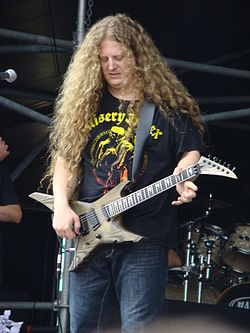
- Origins: Heavy metal emerged during the late 1960s and early 1970s.
- Defining Traits: Genres are distinguished by tempo, vocal style, guitar playing, and song structure.
- Alternative Metal: Emerged in the mid-1980s, blending metal with alternative rock and experimental sounds.
- Diversity: The genre spans from the melodic and symphonic to the extreme, such as goregrind and war metal.
- Global Reach: Subgenres like Neue Deutsche Härte (Germany) and Kawaii metal (Japan) show the global evolution of the sound.
Alternative Metal and Its Evolution
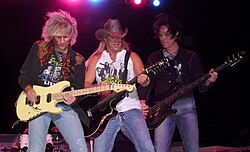
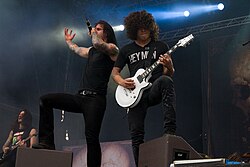
Alternative metal is a hybrid style that blends heavy metal with alternative rock. Gaining significant popularity in the early 1990s, it is characterized by mid-paced, heavily downtuned "chug" guitar riffs and melodic vocals. Unlike traditional metal, alternative metal often employs unconventional song structures and experimental approaches.
Many of the genre's pioneers originated in Los Angeles. Key influential bands include Soundgarden, Alice in Chains, Faith No More, Helmet, Rollins Band, and Tool, while more modern examples include Breaking Benjamin, Chevelle, Godsmack, and System of a Down.
Subgenres of Alternative Metal
Alternative metal has branched into several distinct styles that further blend metal with other musical traditions:
- Funk Metal: Incorporates elements of funk music.
- Nu Metal: A fusion of metal with elements of hip hop and industrial music.
- Rap Metal: Specifically blends rapping vocals with metal instrumentation.


Extreme Metal: Black, Death, and Doom
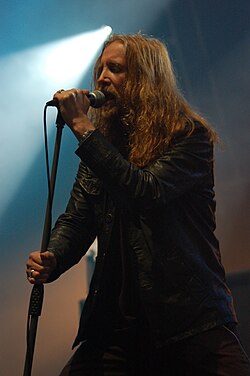
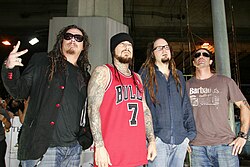
Extreme metal encompasses the more aggressive and dissonant branches of the genre, often focusing on darker themes and more intense vocal delivery.
Black Metal and Its Derivatives
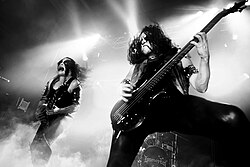
Black metal is known for its raw sound and atmospheric quality. It has evolved into several specialized forms, including Viking metal (focusing on Norse mythology), War metal, and Blackgaze (a blend of black metal and shoegaze). Other variations include Symphonic black metal and Red and Anarchist black metal.

Death Metal and Grindcore
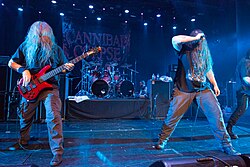
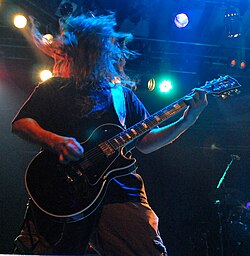
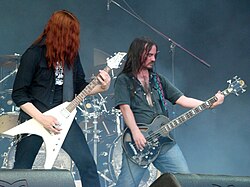
Death metal is characterized by heavily distorted guitars, guttural vocals, and complex drumming. It has diversified into Melodic death metal, Technical death metal, and Death 'n' roll. Closely related is Grindcore, an ultra-fast and aggressive style that has spawned derivatives like Goregrind.
Doom, Sludge, and Drone
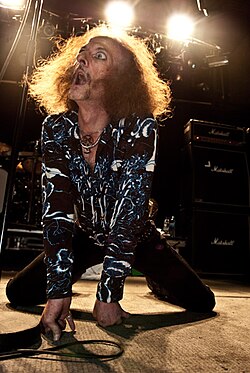
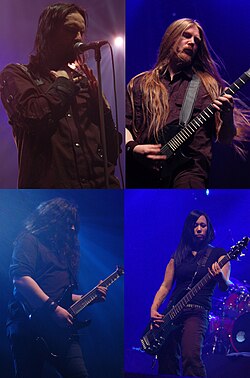
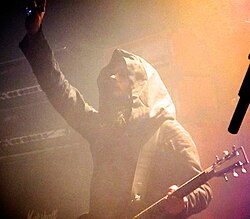
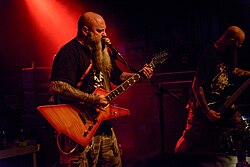
In contrast to the speed of death metal, doom metal focuses on slow tempos and a sense of dread. This lineage includes Death/doom, Sludge metal (which adds punk influences), and Drone metal, which emphasizes sustained notes and minimalism.
Specialized and Fusion Genres
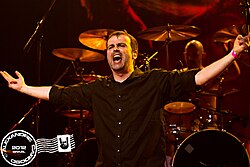
Metal frequently intersects with other cultural and musical movements, leading to highly specialized subgenres.
Folk and Pagan Metal
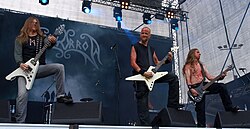
These genres incorporate traditional folk instruments and themes of mythology, nature, and ancient history. Examples include Celtic metal and Pagan metal.

Christian and Unblack Metal
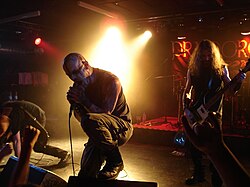
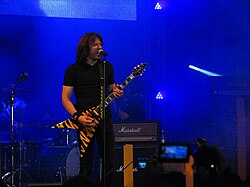
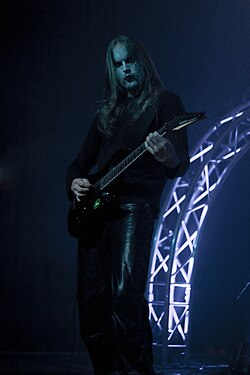
While metal is often associated with occult themes, a significant Christian metal scene exists. This includes Christian death metal and Unblack metal (the Christian counterpart to black metal).
Modern and Industrial Fusions
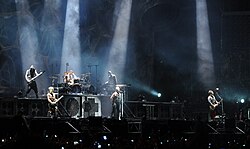
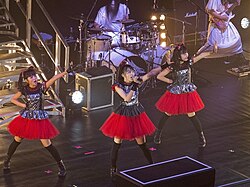
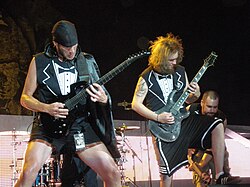
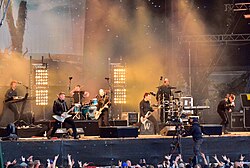
Modern metal continues to evolve through technology and global influence. Industrial metal blends mechanical sounds with heavy riffs, while Metalcore combines extreme metal with hardcore punk. Other notable styles include Kawaii metal from Japan and Neue Deutsche Härte from Germany.
Technical and Progressive Styles

Some genres prioritize musical complexity and virtuosity. Progressive metal and its derivative Djent focus on complex time signatures and technical proficiency. Similarly, Neoclassical metal draws heavily from classical music structures.

Thrash and Speed Metal
Thrash metal is defined by fast tempos and aggressive rhythms, often crossing over with hardcore punk in Crossover thrash. Speed metal, a precursor to many of these styles, emphasizes rapid-fire delivery.
Genre Summary Table
| Category | Key Subgenres | Defining Characteristics |
|---|---|---|
| Alternative | Nu Metal, Rap Metal, Funk Metal | Downtuned riffs, melodic vocals, genre blending |
| Extreme | Death, Black, Grindcore | Guttural vocals, high distortion, aggressive tempos |
| Atmospheric | Doom, Drone, Sludge | Slow tempos, heavy sustain, themes of dread |
| Cultural/Folk | Viking, Pagan, Celtic | Traditional instruments, mythological lyrics |
| Technical | Progressive, Djent, Neoclassical | Complex time signatures, high virtuosity |
| Fusion | Industrial, Metalcore, Kawaii | Electronic elements, hardcore punk, pop influence |
Frequently Asked Questions
What is the difference between heavy metal and alternative metal?
Heavy metal is a broad term that includes traditional styles, while alternative metal specifically blends metal with alternative rock, often featuring downtuned "chug" riffs and more experimental song structures.
What is Unblack metal?
Unblack metal is the Christian counterpart to black metal, utilizing the sonic characteristics of the black metal genre but with lyrics focused on Christian themes.
How does death metal differ from black metal?
While both are extreme, death metal typically focuses on guttural vocals and technical precision, whereas black metal often emphasizes raw, atmospheric sounds and high-pitched shrieks.
What is Djent?
Djent is a derivative of progressive metal characterized by high-gain, palm-muted, syncopated guitar riffs that create a distinct "djent" percussive sound.
What is Kawaii metal?
Kawaii metal is a fusion genre, most notably from Japan, that combines the heaviness of metal with the aesthetics and melodic elements of Japanese pop (J-pop) and idol culture.