Hat Boxes: A History of Millinery Storage and Travel
Before the era of modern luggage, the preservation of headwear was a matter of both fashion and necessity. The hat box emerged as a specialized solution to protect delicate millinery from dust, crushing, and the rigors of travel, evolving from simpler storage concepts into elaborate accessories of the 19th and early 20th centuries.
Origins and Evolution
The concept of the hat box is rooted in the 17th-century bandbox. These earlier containers were designed to store and protect ruffs—also known as neckbands or standing bands—which were stiff, decorative collars worn around the neck.
By the 19th century, as hats became essential for both daytime and evening attire, the hat box grew in popularity. To meet this demand, manufacturers produced a variety of accessories to assist with the storage and cleaning of these prized garments.
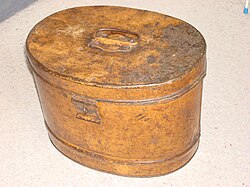
Design and Functionality
Hat boxes were manufactured in various materials depending on their intended use. Milliners typically used cardboard boxes for packaging the designs they sold to customers. However, for those who traveled, more robust designs were produced to ensure the hats remained intact during transit.
Some advanced designs were multifunctional, allowing a user to store multiple pieces of headwear. For example, certain boxes could accommodate both a formal daytime top hat and a gibus—a collapsible version of the top hat used for evening wear. These containers often included dedicated storage space for maintenance tools, such as a hat brush.
The Scale of Edwardian Luxury
During the Edwardian era, hat designs grew significantly in size, and the boxes required to house them followed suit. The sheer bulk of these containers sometimes created logistical challenges for travelers.
A notable example of this occurred in 1844, when a letter to The Times highlighted the high cost of transporting luggage on the Blackwall Railway. The writer complained that porters charged 1d to carry a hat box onto the train and an additional 6d to transport it to the London terminus. Remarkably, the traveler's own fare for the journey was only 4d, leading the writer to suggest that those with luggage should opt for steamboat travel instead.
Key Facts
- Precursor: The hat box evolved from the 17th-century bandbox used for ruffs.
- Materials: Ranged from lightweight cardboard for retail to robust materials for travel, including metal.
- Specialized Storage: Some boxes held both top hats and collapsible gibus hats.
- Maintenance: Integrated storage was often provided for accessories like hat brushes.
- Logistics: In the mid-19th century, porter fees for hat boxes could exceed the cost of the passenger's train ticket.
| Era | Primary Use/Feature | Common Materials/Types |
|---|---|---|
| 17th Century | Storage for ruffs (neckbands) | Bandboxes |
| 19th Century | Day and evening wear protection | Cardboard (retail) and robust travel designs |
| Edwardian Era | Large-scale millinery storage | Oversized travel containers |
Frequently Asked Questions
What is a bandbox?
A bandbox is a 17th-century storage container used to protect ruffs, which were also known as standing bands or neckbands.
What is a gibus?
A gibus is a collapsible version of a top hat, typically used for evening wear, which allowed for easier storage in specialized hat boxes.
Were all hat boxes made of the same material?
No. Milliners often used cardboard for packaging sales, while more durable materials, including metal, were used for boxes intended for travel.
Why were hat boxes a burden for 19th-century travelers?
Due to their size, especially during the Edwardian era, they were expensive to transport. In some cases, railway porter fees for a hat box were higher than the passenger's actual travel fare.
Did hat boxes store anything other than hats?
Yes, some designs included specific storage compartments for cleaning accessories, such as hat brushes.