Discover Hakodate: A Historic Port City in Hokkaido
Nestled in the Oshima Subprefecture of Hokkaido, Hakodate is a captivating port city that serves as a gateway to northern Japan. As the third-largest city in Hokkaido, following Sapporo and Asahikawa, it offers a unique blend of deep historical roots, diverse cultural influences, and breathtaking natural scenery. From its role as one of Japan's first international trading hubs to its modern status as a major transport node, Hakodate remains a vital and vibrant destination.
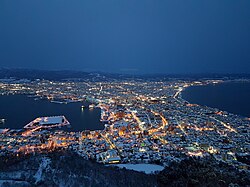
Key Facts
- Status: Capital of Oshima Subprefecture and a core city in Hokkaido.
- Population: Approximately 239,813 (as of January 2024).
- Historical Milestone: Opened to foreign trade in 1854 via the Convention of Kanagawa.
- Major Landmark: Mount Hakodate, famous for its panoramic views.
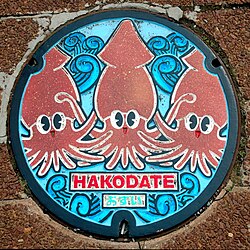
- Local Specialty: Squid (the city's official fish symbol).
- Transport Link: Connected to Honshu via the undersea Seikan Tunnel and the Hokkaido Shinkansen.
A Journey Through History
Early Foundations and the Ainu Era
The history of Hakodate is deeply intertwined with the regional dynamics of the Oshima Peninsula. Founded by Kōno Kaganokami Masamichi in 1454, the area saw significant shifts in power. Following the death of Masamichi, his family was driven into nearby Kameda during the Ainu rebellion in 1512. For much of the following century, the region experienced low-level conflict as merchants established bases to control trade. This period of tension culminated in the Shakushain uprising from 1669 to 1672, which resulted in the suppression of the local Ainu.
The city began to flourish during the Hoei period (1704–11) with the establishment of many new temples. A significant turning point occurred in 1741 when the Matsumae clan moved its magistracy to Masamichi's former house in Hakodate, boosting the town's fortunes.
The Gateway to the World
Hakodate's global significance rose sharply in the mid-19th century. Following the Convention of Kanagawa, it became Japan's first city to open its port to foreign trade in 1854. By 1859, it was officially designated as one of five open ports under the Treaty of Amity and Commerce. This era left a lasting legacy of foreign influence, visible in the city's architecture and international settlements.
The city also played a pivotal role during the Boshin War, a conflict between the Tokugawa shogunate and the Meiji Emperor. In 1868, remnants of the shogunate navy established the short-lived Republic of Ezo in Hakodate. However, following the Naval Battle of Hakodate in May 1869, the Imperial Japanese Navy secured a decisive victory, marking a major shift in Japan's political landscape.
Modern Era and Resilience
The 20th century brought both tragedy and growth. In 1934, the Great Fire of Hakodate destroyed approximately two-thirds of the city's buildings, leading to significant depopulation. During World War II, while the city escaped much destruction, it was subjected to two Allied bombing raids in July 1945.
In the decades following the war, Hakodate expanded through mergers, most notably with the city of Kameda in 1973. Today, the city is highly accessible thanks to the 2016 opening of the Hokkaido Shinkansen, which utilizes the undersea Seikan Tunnel to connect the region to Honshu.
Geography and Climate
Landscape and Natural Features
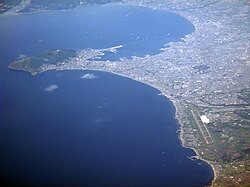
Hakodate is characterized by its coastal location and mountainous terrain. Key geographical features include:
- Mount Hakodate: A central landmark offering iconic views.
- Mount E: Located at 618 meters, it is the southernmost volcano in Hokkaido.
- Rivers: The Kameda, Matsukura, and Shiodomari rivers flow through the region.
Seasonal Weather Patterns
The city experiences four distinct seasons. Under the Köppen climate classification, it is categorized as having a Humid Subtropical Climate (Cfa), though it can also be described as a Hot Summer humid continental climate due to its intense winter blizzards.
Winters are cold and snowy, with an annual average snowfall of approximately 380 cm. Summers are warm and humid, with August being the warmest month, featuring an average high of 26°C (79°F). This seasonal variety makes Hakodate a destination for both summer travelers and winter sports enthusiasts.
Culture, Landmarks, and Local Flavors
Cultural Heritage
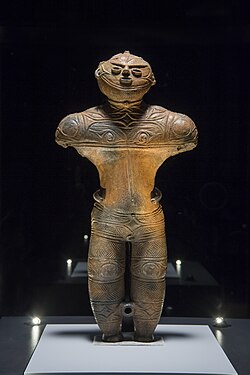
Hakodate is home to numerous historical and cultural sites that reflect its diverse past. Visitors can explore the Kanemori Red Brick Warehouses, the ancient Koryu-ji Temple (built in 1633), and the Hakodate Jōmon Culture Center, which houses the National Treasure "Hollow Dogū."
Religious and architectural landmarks such as the Holy Resurrection Orthodox Church and the Our Lady of the Angels Trappistine Abbey showcase the city's international history.
Culinary Delights
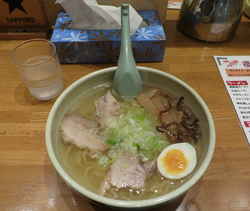
No visit to Hakodate is complete without sampling its local cuisine. The city is famous for its fresh seafood, particularly its squid. A local favorite is Hakodate shio (salt) ramen, a light and flavorful noodle dish that highlights the region's culinary traditions.
Transportation and Connectivity
Hakodate is well-connected by various modes of transport, making it an easy destination for both domestic and international travelers.
Rail and Air Travel
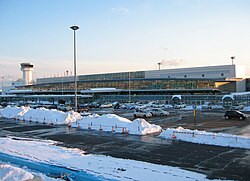
The Hokkaido Shinkansen terminates at Shin-Hakodate-Hokuto Station, which is approximately 20 miles from the city center. From there, local rail connections lead to Hakodate Station. For air travel, Hakodate Airport provides essential links to other regions.
Local Transit
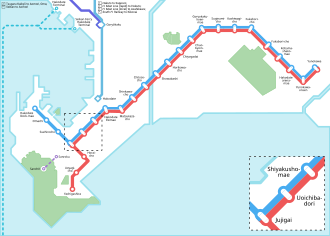
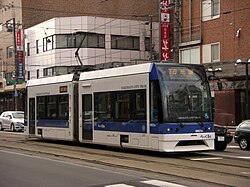
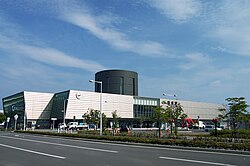
Within the city, the Hakodate tram system is a prominent feature, offering an efficient way to navigate urban areas. The city is also served by the Port of Hakodate for maritime travel.
Summary of Hakodate Profile
| Category | Details |
|---|---|
| Prefecture | Hokkaido (Oshima Subprefecture) |
| Total Area | 677.86 km² |
| Population (2024) | 239,813 |
| Climate Type | Humid Subtropical (Cfa) |
| Official Symbols | Varied tit (Bird), Squid (Fish), Azalea (Flower), Japanese yew (Tree) |
| Major Transport | Hokkaido Shinkansen, Hakodate Airport, Hakodate Tram |
Frequently Asked Questions
What is the best time of year to visit Hakodate?
Because Hakodate has four distinct seasons, the "best" time depends on your interests. Summer offers warm, pleasant weather, while winter provides heavy snowfall and a classic snowy landscape.
How do I get from the Shinkansen station to Hakodate city center?
The Hokkaido Shinkansen arrives at Shin-Hakodate-Hokuto Station. From there, you can take local rail connections to reach Hakodate Station, which is located about 20 miles from the terminal.
Is Hakodate a good destination for food lovers?
Yes, Hakodate is highly regarded for its food, particularly its fresh seafood like squid and its signature salt-based ramen (shio ramen).
What is the significance of the Republic of Ezo?
The Republic of Ezo was a short-lived state established in Hakodate in December 1868 by supporters of the Tokugawa shogunate during the Boshin War. It was eventually defeated by the Imperial Japanese Navy in 1869.
What are the main ways to get around the city?
The city features a convenient tram system, local trains, and is also accessible via the Port of Hakodate and nearby Hakodate Airport.