Greenwashing: Identifying Deceptive Environmental Marketing
In an era where sustainability is a primary driver of consumer choice, many organizations are racing to project an eco-friendly image. However, this shift has given rise to a deceptive practice known as greenwashing (also referred to as "green sheen"). Greenwashing is a form of marketing spin where companies use deceptive public relations and advertising to persuade the public that their products, goals, or policies are more environmentally friendly than they actually are.
By adopting these communication strategies, firms often attempt to distance themselves from environmental lapses or the unsustainable practices of their suppliers. The primary motivations behind greenwashing are to appear legitimate and to project an image of environmental responsibility to a wider audience. Because there is no single, harmonized international definition of the term, determining whether a specific claim constitutes greenwashing can be a subjective challenge for both consumers and regulators.
Key Facts
- Definition: A deceptive marketing tactic used to make an organization appear more environmentally friendly than it is.
- Core Motives: To gain legitimacy and project an image of sustainability.
- EU Findings: A 2020 study found over 50% of environmental claims in the EU were vague, misleading, or unfounded.
- Common Tactic: Using "vagueness," such as the term "all-natural," which is poorly defined and easily misunderstood.
Common Characteristics and Types
Greenwashing often relies on vagueness—the use of broad, poorly defined claims that consumers are likely to misunderstand. For example, labeling a product as "all-natural" provides no specific scientific metric for the consumer to verify.
While the practice manifests across various sectors, it is frequently observed in several key industries:
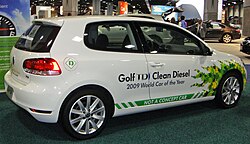
- Automobile Industry: Using misleading terms like "self-charging" or "driven by electric" for hybrid vehicles.
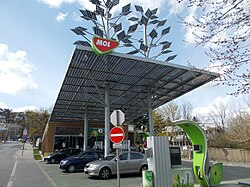
- Food Industry: Changes in branding, such as McDonald's shifting its European logo from red and yellow to yellow and green in 2009 to suggest resource preservation.
- Fashion and Social Media: The rise of influencers and fast-fashion brands making unsubstantiated sustainability claims.
- Energy and Agriculture: Misleading claims within the coal, oil, and animal agriculture sectors.
Historical Context and Industry Examples
The concept of greenwashing has been recognized for decades. In 2002, during the World Summit on Sustainable Development in Johannesburg, the Greenwashing Academy even hosted the "Greenwash Academy Awards" to highlight companies and governments using elaborate greenwashing advertisements.
One of the most notable historical examples is the automobile industry's "Dieselgate" scandal, where claims of "clean diesel" were proven false. In the food sector, McDonald's faced accusations of greenwashing in 2021 after announcing a pledge to reach net-zero emissions by 2050.

Political campaigns and business slogans also frequently fall into this trap, using environmental rhetoric to mask underlying policies or lack of action.
The Impact of Deceptive Claims
Greenwashing carries significant consequences for both the environment and the marketplace. It leads to a lack of integrity in corporate communications and can cause psychological effects on consumers, including confusion and a loss of trust. When consumers realize they have been misled, it can damage the perception of truly sustainable brands.
Furthermore, greenwashing complicates the role of ESG (Environmental, Social, and Governance) ratings. If ratings are based on misleading data, they fail to provide the transparency required for responsible investing.
Summary of Greenwashing Trends
| Category | Common Method | Observed Impact |
|---|---|---|
| Marketing | Vague terms (e.g., "all-natural") | Consumer confusion |
| Automotive | Misleading hybrid terminology | Regulatory scrutiny/scandals |
| Corporate Branding | Color changes and symbolic logos | Questionable legitimacy |
| EU Market | Unsubstantiated claims | Over 40% of claims found unsubstantiated |
Frequently Asked Questions
What is the difference between green marketing and greenwashing?
Green marketing is the legitimate practice of promoting products based on their environmental benefits. Greenwashing is the deceptive use of marketing to create a false impression of environmental friendliness.
How can I spot greenwashing?
Watch for vague language like "eco-friendly" or "natural" without specific evidence, look for claims that lack third-party certification, and be wary of companies that make massive environmental pledges without clear, actionable steps.
Is greenwashing illegal?
While the term itself is a description of a practice, many countries have regulatory bodies (such as the FTC in the US or various authorities in the EU) that penalize companies for false advertising and misleading environmental claims.
Why do companies engage in greenwashing?
Companies typically engage in greenwashing to appear more legitimate to consumers and to project an image of sustainability, often to distance themselves from their actual environmental impact.
What are ESG ratings?
ESG stands for Environmental, Social, and Governance. These are ratings used to evaluate how a company manages risks and opportunities related to environmental, social, and corporate governance issues.