Great Tit: Biology, Behavior, and Adaptation of Parus major
The great tit (Parus major) is a widely recognized and charismatic member of the Paridae family. First described by Carl Linnaeus in 1758, its scientific name is derived from the Latin parus (tit) and maior (larger), reflecting its size relative to other tits. From the forests of Europe to the urban centers of the modern world, this species has become a cornerstone of ornithological research due to its adaptability and willingness to interact with humans.
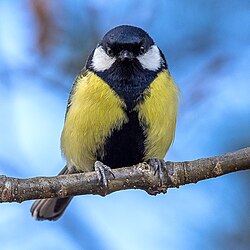
Key Facts

- Scientific Name: Parus major
- Conservation Status: Least Concern (IUCN 3.1)
- Population: Estimated between 300 and 1,100 million birds
- Size: 12.5 to 14 cm in length
- Distribution: Range of 32.4 million km², extending from Scandinavia to Egypt and Israel
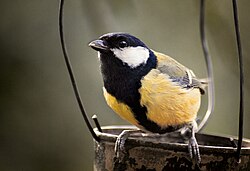
- Key Feature: Distinctive lemon-yellow breast with a black mid-line stripe
Physical Description and Taxonomy
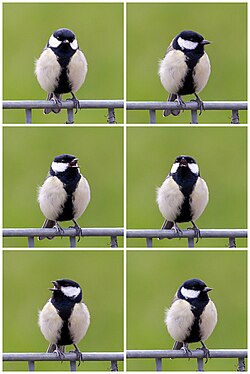
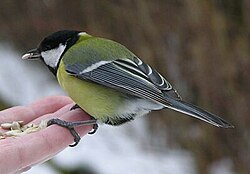
The great tit is characterized by a striking appearance. The nominate race, P. major major, features a bluish-black crown, black neck, throat, and bib, contrasted by white cheeks. Its most prominent feature is the bright lemon-yellow breast, bisected by a broad black mid-line stripe that runs from the bib to the vent.
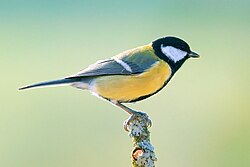
The upper parts of the bird are generally green-tinged with olive on the nape and back, while the wings are bluish-grey with a white wing-bar. The tail is similarly bluish-grey with white outer tips. There are subtle differences between sexes and ages:
- Females: Possess overall duller colors; the black bib and mid-line stripe are less intense and often narrower or discontinuous.
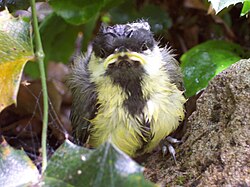
- Juveniles: Similar to females but with greyish rumps, greyer tails, and dull olive-brown necks.
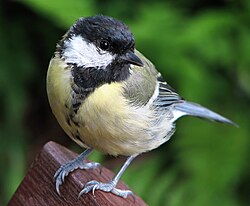
Taxonomically, there are 15 recognized subspecies. For example, the British subspecies P. m. newtoni is distinguished by a wider mid-line ventral stripe on the lower belly compared to the nominate race.
Distribution and Habitat

The great tit is primarily found across Europe and Asia. While it thrives in undisturbed forest cover, it has adapted exceptionally well to human-modified environments. In urban areas, it is highly common; for instance, the city of Sheffield is estimated to support approximately 17,000 individuals.

Attempts to introduce the species to the United States occurred near Cincinnati, Ohio, between 1872 and 1874, but these birds failed to establish. A small population currently exists in the upper Midwest, likely descending from birds released in Chicago in 2002. Additionally, introductions to the Almaty Province of Kazakhstan in 1960–61 were successful, though their current status remains unclear.
Behavior and Diet
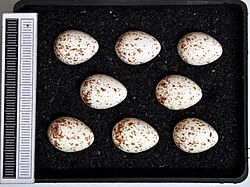
Great tits are known for their acrobatic feeding style, often hanging from branches to access food. They use their beaks to transport food, which they then transfer to their feet to hold while eating.
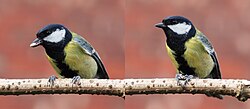
Their diet is varied, and they are particularly valued in agriculture for reducing caterpillar damage in commercial apple orchards. Interestingly, research has shown that great tits may also search for and prey upon hibernating bats.
Breeding and Life Cycle

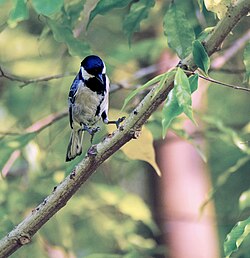
The breeding process is a collaborative effort between parents. Both the male and female provision the chicks and maintain nest sanitation by removing faecal packets. Nestlings typically receive 6 to 7 grams of food daily.
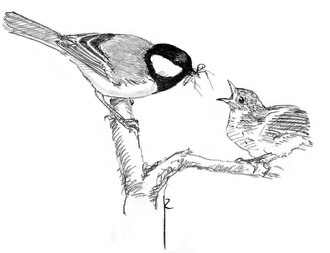
The nestling period lasts between 16 and 22 days. Once they fledge, chicks become independent after eight days, although parental feeding may continue for up to 25 days for the first brood and up to 50 days for the second. Notably, second-brood nestlings often exhibit weaker immune systems and lower survival rates than those from the first brood.
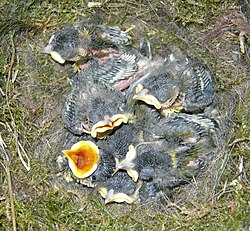
The species frequently utilizes nest boxes, which has made them an ideal model for studying life-history traits such as clutch size.
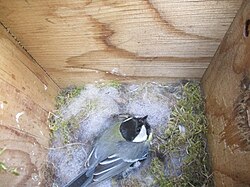
Summary of Life Cycle and Physicals
| Feature | Detail |
|---|---|
| Length | 12.5 – 14 cm |
| Nestling Period | 16 – 22 days |
| Independence | 8 days after fledging |
| Daily Food Intake (Chicks) | 6 – 7 g |
| Conservation Status | Least Concern |
Relationship with Humans and Urban Adaptation
The great tit's willingness to use bird-feeders and nest boxes has made it a favorite among the general public and a vital subject for scientists. Between 1969 and 2002, over 1,300 articles were published regarding Parus major.
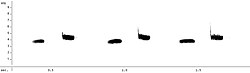
One of the most fascinating aspects of their adaptation is the modification of their song. In noise-polluted urban environments, great tits have been observed to sing at a higher frequency to ensure their calls are heard over low-frequency background city noise.
Frequently Asked Questions
How do great tits adapt to city noise?
In urban areas with high levels of low-frequency background noise, great tits increase the frequency (pitch) of their songs to communicate more effectively.
What is the difference between male and female great tits?
Males typically have brighter plumage and a more intense black bib and mid-line stripe. Females have duller colors, and their mid-line stripe is narrower and sometimes discontinuous.
Do great tits use nest boxes?
Yes, they are very willing to use nest boxes, which has made them an invaluable model for ornithologists studying evolution and breeding habits.
What is the diet of a great tit?
They eat a variety of foods, including seeds, nuts, and insects. They are particularly known for eating caterpillars and have even been observed preying on hibernating bats.
Are great tits an endangered species?
No, they are classified as Least Concern on the IUCN Red List due to their massive population (up to 1.1 billion) and wide geographic range.