Goth Subculture: History, Music, and Aesthetic Evolution
The goth subculture is a music-based movement that emerged in the United Kingdom during the early 1980s. Rooted in the sonic landscapes of gothic rock—a genre that evolved from British post-punk—the scene found its early home in influential nightclubs like the Batcave and the F Club. Today, the subculture is a global phenomenon centered around music festivals, specialized clubs, and a distinct visual identity.
Beyond the music, goth is characterized by a deep appreciation for the macabre, the theatrical, and the romantic. It blends a variety of artistic influences, from 18th-century literature to modern cinema, creating a community that finds beauty in darkness and melancholy.
Key Facts
- Origins: Emerged from the UK post-punk scene in the early 1980s.
- Core Pillars: Centered on gothic rock music, fashion, and nightlife.
- Visual Style: Primarily features black attire, dark makeup, and hair.
- Influences: Draws from Victorian fashion, German Expressionism, and classic horror films.
- Modern Variants: Has evolved into aesthetics like cybergoth, mall goth, Health Goth, and Whimsigoth.
The Evolution of Goth Music and Culture
The foundation of the subculture lies in the transition from punk to post-punk. Bands like Bauhaus, Siouxsie and the Banshees, and The Cure helped define the atmospheric, moody sound of gothic rock.
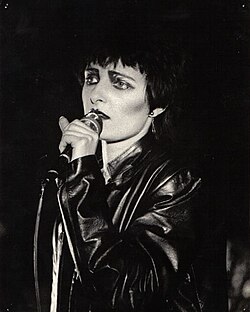
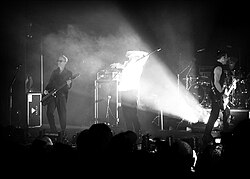
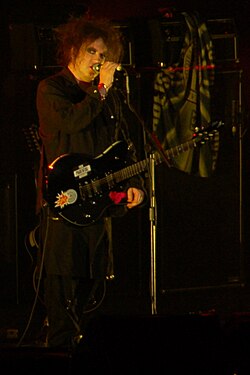
As the movement progressed into the 1990s, it experienced a period of fragmentation. While some 1980s acts continued to grow, the rise of dance music pushed the goth scene further underground. This led to the birth of several specialized genres, including industrial metal, gothic metal, cyber goth, and Medieval folk metal. During this era, artists like Marilyn Manson were recognized as "goth-shock" icons.
Artistic and Cultural Influences
The goth aesthetic is not merely a fashion choice but a tapestry of historical and artistic references. The subculture draws heavily from Gothic fiction of the Romantic period, which emphasized emotion and the supernatural.
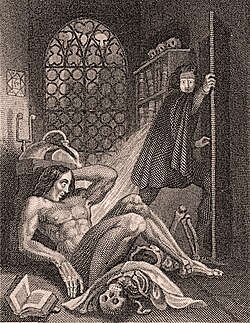
Visual arts, including the Pre-Raphaelite movement and German Expressionism, provide a blueprint for the scene's penchant for drama and tragedy.
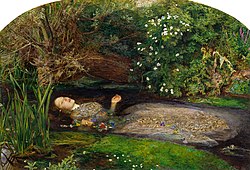
Cinematic influences are equally vital. The subculture incorporates elements from classic horror, ranging from the Universal Monsters to Hammer horror films, as well as atmospheric cinema like The Hunger, which influenced the early days of the movement.
![Film poster for The Hunger, an influence in the early days of the goth subculture[34]](/images/d4/d5/d4d5d765705acd19cfd7fc52d9a3f050b14d5c35d3d0fff80bd505f2a7a823a4.jpg)
The Goth Aesthetic and Fashion
Goth fashion is an eclectic mix of styles. While solid black is the dominant color, the attire often incorporates elements from glam rock, punk, new wave, and new romantics. There is also a strong affinity for historical eras, specifically the Victorian, Edwardian, and Belle Époque periods.

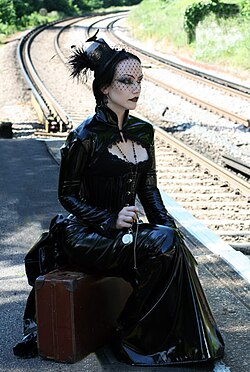
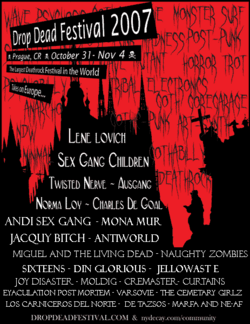
In the 21st century, the aesthetic has expanded through internet culture. The 2010s and 2020s saw the rise of niche aesthetics such as Health Goth (blending sportswear with goth elements) and Whimsigoth (a mix of whimsical and gothic styles). Large-scale events, such as the Drop Dead Festival, continue to bring the community together.
Sociology and Public Perception
The goth subculture has often been misunderstood by the mainstream. In the 1990s and 2000s, media coverage frequently linked the style to deviance or self-harm, leading to periods of moral panic. However, academic research provides a more nuanced view.
A study by the University of Glasgow, which tracked 1,258 youth over several years, found that the goth subculture is generally nonviolent and tolerant. The research suggested that the community provides essential social and emotional support for teenagers who may be vulnerable to mental illness.
Conversely, some medical studies have noted a correlation between goth identity and self-harm. A study of 1,300 Scottish schoolchildren found that a significant percentage of the goth sample had attempted self-harm, though researchers noted the complexity of these predictors.
| Category | Key Elements |
|---|---|
| Musical Roots | Post-punk, Gothic Rock, Darkwave |
| Fashion Influences | Victorian, Punk, Glam Rock, New Romantic |
| Cultural Pillars | Horror Cinema, Romantic Literature, German Expressionism |
| Modern Variants | Cybergoth, Mall Goth, Health Goth, Whimsigoth |
| Core Values | Tolerance, Nonviolence, Artistic Expression |
Frequently Asked Questions
What is the difference between Gothic rock and the goth subculture?
Gothic rock is the specific genre of music that evolved from post-punk and served as the catalyst for the movement. The goth subculture is the broader social community that encompasses the music, fashion, art, and shared values of its members.
Where did the goth subculture originate?
The subculture emerged in the United Kingdom during the early 1980s, specifically within the nightlife scene of clubs like the Batcave and the F Club.
What are some modern variations of goth fashion?
Modern variations include cybergoth (incorporating neon and industrial elements), mall goth (a mainstreamed version popular in the 2000s), Health Goth (mixing athletic wear with dark aesthetics), and Whimsigoth.
Is the goth subculture associated with violence?
No. Academic research, including a study by the University of Glasgow, indicates that the goth subculture is strongly nonviolent and tolerant, often providing a supportive environment for vulnerable youth.
Which historical eras influence goth clothing?
Goth fashion frequently draws inspiration from the Victorian, Edwardian, and Belle Époque eras, blending these historical silhouettes with punk and glam rock elements.