Deathrock: The Macabre Fusion of Punk and Gothic Horror
Deathrock (also known as horror rock) is a provocative subgenre of rock music that blends the raw energy of punk rock with the theatrical visuals of glam rock and the atmospheric dread of gothic music. Heavily influenced by horror film scores, the genre creates a sonic landscape that is as much about aesthetic as it is about sound. While it often overlaps with gothic rock, deathrock maintains a distinct identity rooted in the gritty, underground punk scenes of the early 1980s.
The genre was pioneered in Los Angeles, California, where bands began experimenting with darker themes and a more macabre presentation. From its origins in the L.A. punk scene to its eventual cross-pollination with the UK's gothic movement and its modern-day revivals, deathrock has remained a sanctuary for the disillusioned and the obsessed with the occult.
Key Facts
- Origins: Emerged in the early 1980s within the Los Angeles punk scene.
- Core Sound: Driving, repetitive rhythms in 4/4 time, often featuring chorus-effected guitars.
- Themes: Isolation, gloom, death, and campy horror or sci-fi elements.
- Pioneering Bands: Christian Death, 45 Grave, Kommunity FK, and the Super Heroines.
- Distinction: Despite the name, deathrock has no connection to death metal.
Musical and Lyrical Characteristics
Deathrock is defined by a specific sonic architecture. The rhythm section—consisting of drums and bass guitar—typically provides a driving, repetitive foundation in a 4/4 time signature. Over this, guitarists employ either simple chords or effects-driven leads to build a haunting atmosphere. A staple of the genre is the use of chorus effects, such as those from the Boss CE-2 pedal, which widen the tone and add a ghostly quality to the music.
Lyrically, deathrock is diverse. While some tracks are upbeat and tongue-in-cheek, many are introspective and surreal, exploring themes of loss, disillusionment, and the macabre. The influence of campy horror and science fiction cinema is frequently evident in both the lyrics and the overall stylistic presentation.
The Evolution of Deathrock
Early Forerunners (1950s–1970s)
The seeds of deathrock were sown long before the 1980s. In the late 1950s and early 1960s, novelty acts like Bobby "Boris" Pickett and the Crypt-Kickers and Screamin' Jay Hawkins introduced horror themes to rock and roll. Other significant influences included the theatricality of Alice Cooper and David Bowie, the heavy riffs of Black Sabbath, and the early punk energy of the Damned. A pivotal moment occurred in 1979 with the release of "Bela Lugosi's Dead" by Bauhaus, which deeply influenced the emerging scene.
The Los Angeles Explosion (1980s)
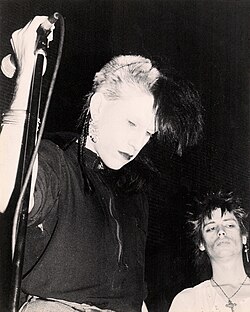
By the late 1970s, the L.A. punk scene was already shifting toward a grimmer tone with bands like the Gun Club and the Flesh Eaters. The suicide of Germs vocalist Darby Crash in 1980 is cited by some as a catalyst that pushed the scene toward a fascination with death and the macabre. This led to the birth of deathrock as a distinct offshoot of punk, emphasizing horror elements more heavily.
Key venues like the O.N. Klub in Silver Lake and the nomadic Anti-Club in Hollywood became hubs for the movement. Early efforts to promote the scene included the 1981 compilation LP Hell Comes to Your House.
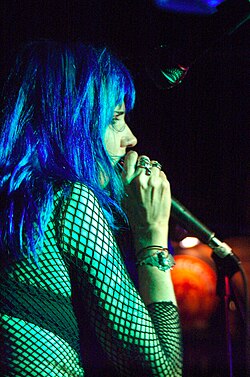
As the 1980s progressed, deathrock began to merge with the UK's gothic rock scene. Tours by the Gun Club (1983) and Christian Death (1984) facilitated this exchange, leading to the rise of English bands like Sex Gang Children and Alien Sex Fiend. However, by the time the Sisters of Mercy achieved mainstream success, the specific term "deathrock" began to fade, with the style often being absorbed into the broader gothic rock umbrella.
Revival and Modern Influence (1990s–Present)
After a period of decline, a revival began in the late 1990s. The launch of the "Release the Bats" club night in Long Beach, California, in 1998 helped revitalize the scene. This new wave, supported by early internet communities on MySpace and LiveJournal, expanded the genre's palette to include psychobilly, electronic body music (EBM), and futurepop.
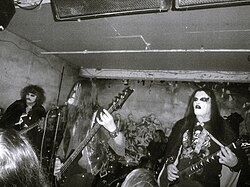
In the 2010s, deathrock's influence reappeared in "dark punk" and "G-beat" styles, where bands like Deathcharge and Cemetery merged the sound with hardcore punk. More recently, the genre has intersected with extreme metal, with bands like Devil Master blending deathrock with black metal.
Deathrock Summary Table
| Feature | Details |
|---|---|
| Primary Origins | Los Angeles, USA (Early 1980s) |
| Stylistic Roots | Punk Rock, Glam Rock, Horror Film Scores |
| Key Instrumentation | 4/4 Rhythm, Chorus-effected Guitars |
| Core Themes | Macabre, Isolation, Surrealism, Campy Horror |
| Notable Early Bands | Christian Death, 45 Grave, Kommunity FK |
| Modern Hybrids | Black Metal, Hardcore Punk, EBM |
Frequently Asked Questions
Is deathrock the same as death metal?
No. Despite the similar names, deathrock is a derivative of punk and gothic rock, whereas death metal is a subgenre of heavy metal. They have entirely different musical structures and origins.
How does deathrock differ from gothic rock?
While they overlap significantly, deathrock typically retains a more aggressive, punk-driven energy and a stronger emphasis on horror and campy aesthetics compared to the often more polished or atmospheric sound of gothic rock.
Where did the term "deathrock" come from?
The term was used in the 1950s to describe morbid rock and roll songs about dead teenagers. It re-emerged in the 1980s, possibly coined by Rozz Williams of Christian Death, the music press, or inspired by Nick Zedd's 1979 film They Eat Scum.
What are the visual hallmarks of deathrock?
Deathrock visuals merge punk's DIY ethos with glam rock and gothic elements, often incorporating macabre makeup, horror-inspired clothing, and an overall aesthetic of decay and darkness.
Which bands are essential for someone new to deathrock?
Beginners should explore the early L.A. pioneers like Christian Death and 45 Grave, as well as UK acts like Alien Sex Fiend and Sex Gang Children to understand the genre's foundations.