Glendale, California: The Jewel City of Los Angeles County
Known affectionately as the Jewel City, Glendale is a vibrant urban center located in Los Angeles County. From its early roots as a series of adobe settlements to its current status as a major economic and cultural hub, Glendale blends a rich historical legacy with modern high-rise development. Nestled against the scenic backdrop of the Verdugo Mountains, the city serves as a critical link in the Metro Los Angeles region.
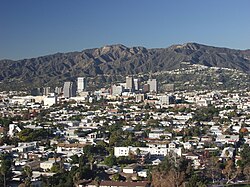
Key Facts
- Incorporation: February 15, 1906.
- Population: 196,543 (2020 Census).
- Nickname: Jewel City.
- Geography: Located in Los Angeles County, bordered by the Verdugo and San Gabriel Mountains.
- Government: Council-Manager system.
- Major Employers: Glendale Unified School District and Adventist Health Glendale.
History and Evolution
Glendale's history spans several eras, beginning with its indigenous inhabitants and transitioning through the Spanish and Mexican periods. One of the city's most enduring links to its past is the Catalina Verdugo Adobe, the oldest building in the city, with construction dating back to 1828.
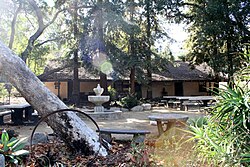
The early 20th century marked a period of rapid growth. Following its incorporation in 1906, the city expanded its infrastructure, including the Glendale–Burbank Line streetcar, which provided essential transit for residents starting around 1915. This era of connectivity continued until the line's final service in June 1955.
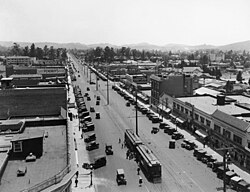
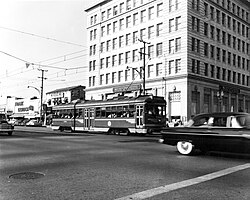
Aviation also played a pivotal role in Glendale's development. The Grand Central Airport became a landmark of early flight, hosting aircraft such as the Douglas DC-1 in the early 1930s.

Geography and Climate
Glendale covers a total area of 30.61 square miles, with the vast majority being land. The city is characterized by its elevation of 522 feet and its proximity to the Verdugo Mountains and the San Gabriel Mountains.
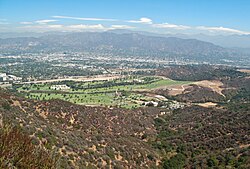
The climate is typical of Southern California, featuring warm to hot summers and mild winters. Precipitation is concentrated in the winter months, with January and February seeing the highest average rainfall, while July and August remain nearly dry.
| Metric | Winter (Jan/Dec) | Summer (Jul/Aug) | Annual Average |
|---|---|---|---|
| Mean Daily Max Temp | 68°F - 77°F | 86°F - 88°F | Varies |
| Mean Daily Min Temp | 45°F | 62°F - 63°F | 54°F |
| Avg Precipitation | 2.10" - 3.74" | 0.02" - 0.15" | 17.17" |
Demographics and Culture
Glendale is a diverse city with a population that has grown steadily since 1910. As of the 2020 Census, the population stood at 196,543. The city is particularly noted for its significant Armenian community, which has a profound influence on the city's cultural and political landscape.
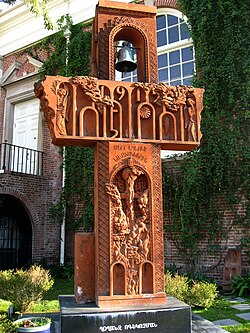
The ethnic composition of the city includes a majority White (Non-Hispanic) population (62.34%), followed by Hispanic or Latino residents (17.08%) and Asian residents (14.99%). This multiculturalism is reflected in the city's diverse cuisine and the presence of various religious and community organizations.
Economy and Infrastructure
The economy of Glendale is supported by a mix of education, healthcare, and entertainment. The city is a hub for the film and television industry, with major employers including Walt Disney Imagineering and DreamWorks Animation.
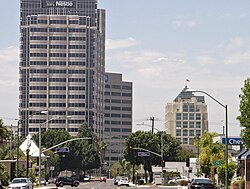
Top Employers in Glendale
- Glendale Unified School District: 4,000 employees
- Adventist Health Glendale: 2,600 employees
- City of Glendale: 1,904 employees
- Countrywide Home Loans: 1,815 employees
- Glenair Inc.: 1,768 employees
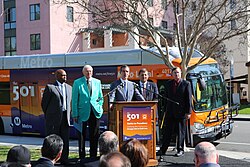
Transportation in Glendale is comprehensive, featuring four major freeways and a variety of transit options. Recent developments include the launch of Metro express route 501 in 2016 to improve regional connectivity.
Landmarks and Arts
Glendale is home to several architectural gems and cultural institutions. The Spanish Colonial Revival style is evident in buildings like the Glendale YMCA (1924). Other notable landmarks include the Alex Theatre, the Glendale City Hall, and the Museum of Neon Art.
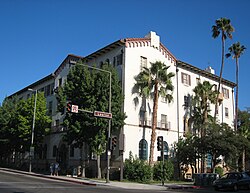
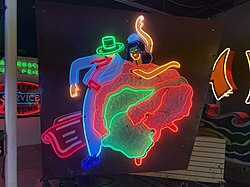
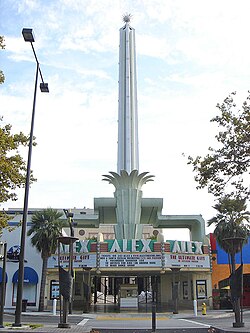
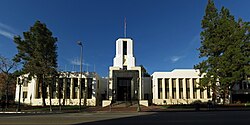
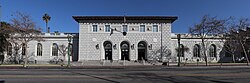
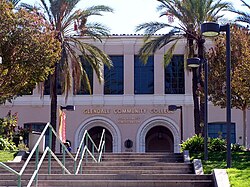
The city also prioritizes education and public service, with institutions such as Glendale Community College and the Glendale Main Post Office serving as central community pillars.
Frequently Asked Questions
What is Glendale's nickname?
Glendale is known as the "Jewel City."
Who are the largest employers in the city?
The largest employers are the Glendale Unified School District, Adventist Health Glendale, and the City of Glendale government.
What is the significance of the Armenian community in Glendale?
Glendale has a very large Armenian population that significantly influences the city's culture, demographics, and local government.
What is the oldest building in Glendale?
The Catalina Verdugo Adobe is the city's oldest building, with construction beginning in 1828.
How is the climate in Glendale?
Glendale has a Mediterranean-style climate with warm, dry summers and mild, wetter winters, averaging about 17.17 inches of precipitation annually.