Lancaster, California: A Desert Gem in the Antelope Valley
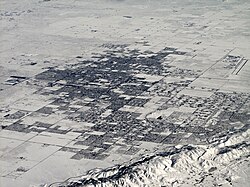
Nestled in the western Mojave Desert, Lancaster is a vibrant charter city located in the northern reaches of Los Angeles County. As a principal city within the Antelope Valley region, Lancaster serves as a twin city to its southern neighbor, Palmdale. Situated approximately 70 miles north of downtown Los Angeles, the city is framed by the San Gabriel Mountains to the south and the Tehachapi Mountains to the northwest, creating a unique geographic landscape within the high desert.
Since its incorporation on November 22, 1977, Lancaster has experienced significant growth. What began as a community of 37,000 residents has expanded into a major urban center, reaching a population of 173,516 by the 2020 census. This growth has transformed the area from a historical railroad water stop into a bustling hub of culture, industry, and community life.
Key Facts
- Location: Antelope Valley, northern Los Angeles County, California.
- Population: 173,516 (as of the 2020 Census).
- Incorporated: November 22, 1977.
- Total Area: 94.52 square miles.
- Elevation: 2,359 feet.
- Climate: High desert with extreme temperature variations.
Geography and Climate
Lancaster occupies a vast area of 94.52 square miles, with the vast majority consisting of land. The city's elevation of 2,359 feet contributes to its distinct desert climate. Residents experience significant temperature swings throughout the year.
The desert environment is characterized by intense heat and occasional cold snaps. The record high temperature reached 115°F on June 30, 2013, while the record low was 2°F on December 24, 1984. While the region is generally arid, it can experience notable weather events; for instance, January 1979 saw a massive snowfall of 23.9 inches.
Climate Extremes and Precipitation
Precipitation in Lancaster is relatively low, typical of the Mojave Desert. The wettest recorded year occurred between July 1992 and June 1993, with 19.57 inches of rain. Conversely, the period from July 2012 to June 2013 was exceptionally dry, seeing only 1.26 inches of precipitation.
Demographics and Community
The population of Lancaster is diverse and has seen steady increases over the decades. According to the 2020 Census, the city's racial makeup includes 32.6% White, 21.3% African American, 15.7% from two or more races, and 45.1% Hispanic or Latino residents of any race.
The city's cultural identity is deeply rooted in its history and its evolving community. From its early days to its current status as the 31st most populous city in California, Lancaster continues to attract a wide variety of residents from different backgrounds and ancestries.
Culture, Arts, and Sports
Lancaster has made significant strides in prioritizing arts and culture as drivers for economic development. A centerpiece of this movement is The BLVD, the city's downtown cultural district. This area is home to the Lancaster Museum of Art and History (MOAH), which opened in 2012. The museum manages four sites and houses over 10,000 art pieces focused on Southern California.
Sports and Recreation
Sports have long been a part of the local fabric. The city was previously home to the Lancaster JetHawks, a minor league baseball team in the California League that played at The Hangar from 1996 to 2020. Following a reorganization of Minor League Baseball, the venue became the home of the Lancaster Sound Breakers, a professional team in the Pecos League, in 2023.
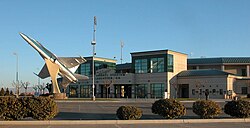
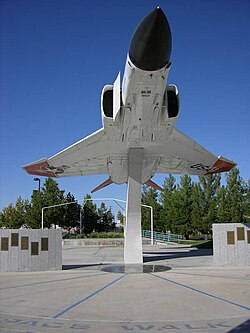
The city's connection to the aerospace industry is reflected not only in its sports history but also in its local landmarks, such as the Boeing Plaza, which features an F-4 Phantom jet fighter on display.
City Overview Summary
| Category | Details |
|---|---|
| County | Los Angeles |
| Government Type | Council-manager |
| Land Area | 94.27 sq mi |
| Time Zone | Pacific Time (UTC−8) |
| Major ZIP Codes | 93534, 93535, 93536, 93539, 93584 |
Frequently Asked Questions
What is the population of Lancaster, California?
As of the 2020 Census, the population of Lancaster was 173,516.
Where is Lancaster located?
Lancaster is located in the Antelope Valley in northern Los Angeles County, within the western Mojave Desert of Southern California.
What is the climate like in Lancaster?
Lancaster has a desert climate with high temperatures that can exceed 115°F in the summer and low temperatures that can drop to 2°F in the winter.
What is the significance of The BLVD?
The BLVD is Lancaster's downtown cultural district, which serves as a hub for arts, culture, and economic activity, including the Lancaster Museum of Art and History (MOAH).
What sports teams are associated with Lancaster?
The city was formerly home to the Lancaster JetHawks (California League) and is currently home to the Lancaster Sound Breakers (Pecos League).