General Motors: A Century of Automotive Innovation and Evolution
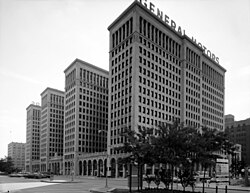
General Motors (GM) stands as one of the most influential names in the global automotive landscape. From its early days of consolidation in the early 20th century to its modern role as a leader in vehicle technology, GM has shaped how the world moves. Headquartered in Detroit, Michigan, the company operates a vast network of 396 facilities across six continents, delivering a diverse portfolio of automobiles, luxury vehicles, and commercial transport.
The company's journey has been marked by periods of immense growth, strategic acquisitions, and a significant corporate rebirth following a Chapter 11 reorganization in 2009. Today, under the leadership of Chair and CEO Mary Barra, GM continues to integrate traditional manufacturing with future-facing services like automotive finance and vehicle leasing.
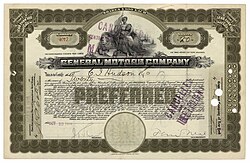
Key Facts
- Founded: September 16, 1908 (Original company); July 10, 2009 (Present company).
- Founder: William C. Durant.
- Core Brands: Chevrolet, Buick, GMC, and Cadillac.
- 2025 Production: 6,184,000 vehicles.
- 2025 Revenue: US$ 185.0 billion.
- Global Reach: Operations on six continents with 156,000 employees.
Corporate History and Evolution
The story of General Motors began with William C. Durant, who envisioned a consolidated automotive powerhouse. Through the early 20th century, GM grew by acquiring various brands and establishing a hierarchy of vehicles to serve different market segments. This era of growth was steered by influential figures such as Pierre S. du Pont and Alfred P. Sloan, the latter of whom served as CEO from 1923 to 1946.
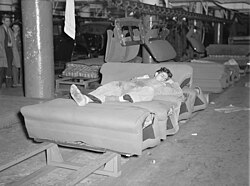
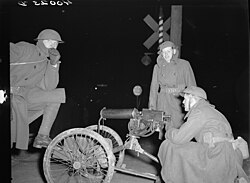
Throughout its history, GM has navigated extreme volatility. The company faced significant labor conflicts, including the Flint sit-down strike and various United Auto Workers (UAW) strikes in 1945, 2007, 2019, and 2023. These tensions often mirrored the broader social and economic shifts in the American industrial heartland.
The 2009 Reorganization
One of the most pivotal moments in the company's history was the 2009 Chapter 11 bankruptcy and subsequent bailout. This process led to the creation of the present company on July 10, 2009, separating it from the former entity known as Motors Liquidation Company. This reorganization allowed GM to streamline its operations and shed defunct brands to focus on a more sustainable core business.
Brand Portfolio and Market Presence
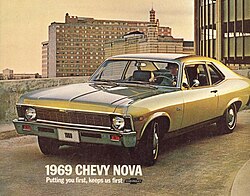
GM manages a complex array of brands, ranging from mass-market accessibility to high-end luxury. While many brands have been discontinued or sold over the decades—such as Pontiac, Oldsmobile, and Saab—the current core remains strong.
Current Active Brands
- Chevrolet: The primary mass-market brand serving the Americas, China, and beyond.
- Buick: Focused on the North American and Chinese markets.
- GMC: Specializing in trucks and commercial vehicles.
- Cadillac: The luxury flagship serving global markets including North America, Europe, and Japan.
- Baojun & Wuling: Key brands serving the Chinese and Southeast Asian markets.
Technical Legacy and Controversies
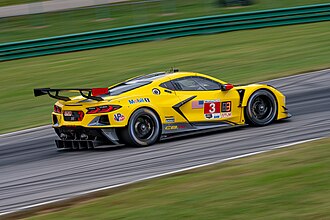
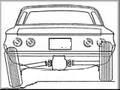
Innovation has always been a driver for GM, from the development of the electric self-starter for Cadillac to advanced performance engineering. However, this path has not been without controversy. The company has faced scrutiny over the Corvair swing-axle rear suspension, ignition switch recalls, and various environmental and labor disputes.
Financial and Operational Performance
In recent years, General Motors has maintained a strong financial footing. As of 2025, the company reported total assets of US$ 281.3 billion and a net income of US$ 2.697 billion. While the United States remains its largest market by volume, GM maintains a significant presence in China and Brazil.
| Metric | Value (2025) |
|---|---|
| Revenue | US$ 185.0 Billion |
| Operating Income | US$ 2.909 Billion |
| Net Income | US$ 2.697 Billion |
| Total Assets | US$ 281.3 Billion |
| Vehicle Production | 6,184,000 units |
| Total Employees | 156,000 |
Frequently Asked Questions
Who is the current leader of General Motors?
Mary Barra serves as the Chair and CEO of General Motors, having taken the CEO role in January 2014.
What happened to brands like Pontiac and Oldsmobile?
Both Pontiac and Oldsmobile are former GM brands that were discontinued as part of the company's restructuring and strategic shifts; Pontiac was discontinued in 2010 and Oldsmobile in 2004.
How did the 2009 bankruptcy affect the company?
The Chapter 11 reorganization led to the formation of the current General Motors company on July 10, 2009, allowing it to restructure its debts and operations after a government-backed bailout.
Which markets are most important for GM today?
The United States is GM's largest market, followed by significant operations in China and Brazil.
What services does GM provide beyond selling cars?
GM offers a variety of services including automotive finance, vehicle leasing, and vehicle service through subsidiaries like GM Financial.