Garage Rock: The Raw Energy That Birthed Punk
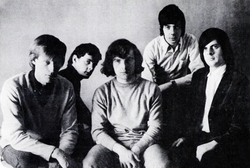
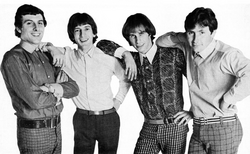
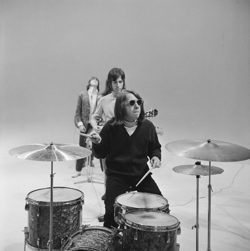
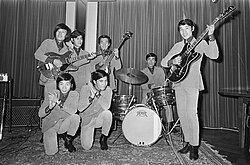
Before the polished production of modern studios and the calculated rebellion of stadium rock, there was garage rock. Born from the desire of amateur musicians to emulate their idols using basic equipment in home garages, this genre prioritized raw energy, distorted guitars, and an unrefined spirit over technical perfection. Often referred to as garage punk or '60s punk, it served as the primal scream of a generation and the foundational blueprint for the punk movement of the 1970s.
Key Facts
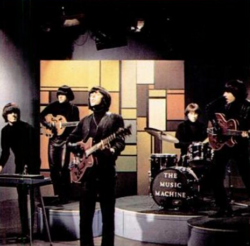
- Origins: Emerged in the late 1950s and early 1960s across the United States and Canada.
- Core Influences: Rooted in rock and roll, rhythm and blues, rockabilly, soul, and surf music.
- Peak Era: The mid-1960s (1964–1968), heavily influenced by the British Invasion.
- Global Reach: Spread beyond North America to the UK, Europe, Latin America, Asia, and Australia.
- Legacy: Directly evolved into proto-punk and punk rock, influencing acts from The Stooges to The Ramones.
The Foundations: 1958–1964
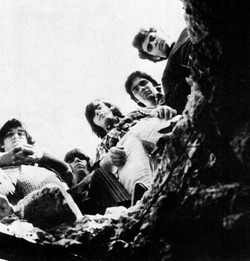
The seeds of garage rock were sown in the late 1950s, blending regional rock and roll with the driving rhythms of instrumental and surf music. Early pioneers experimented with sound; for instance, Link Wray helped introduce guitar power chords and distortion as early as 1958 with the instrumental track "Rumble," creating a sonic aggression that would define the genre.
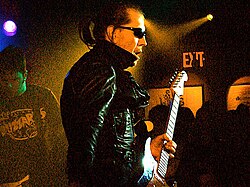
During this period, frat rock—a high-energy style popular at college parties—achieved initial commercial success, bridging the gap between early rock and roll and the more aggressive sounds that would follow.
The Golden Era: 1964–1968
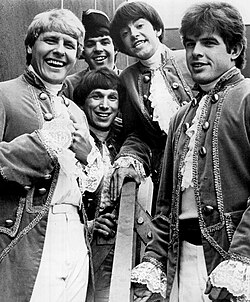
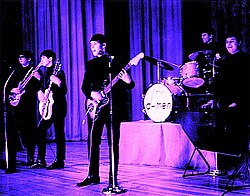
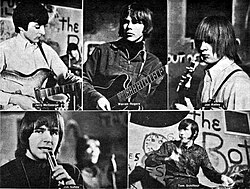
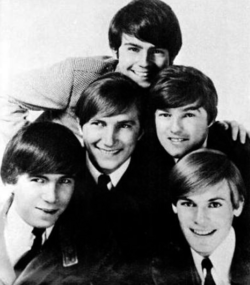
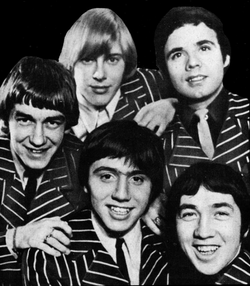
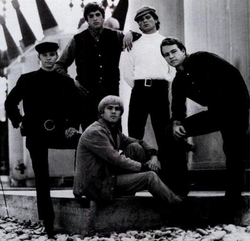
The arrival of the Beatles and the subsequent British Invasion acted as a catalyst, inspiring thousands of teenagers to form bands. This era saw the height of garage rock's popularity, with airplay increasing as local bands captured the zeitgeist of youth rebellion.
Regional Scenes and Diversity
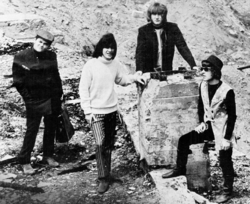
While the movement was global, distinct regional sounds emerged within North America. From the Pacific Northwest and New England to California and the Midwest, local scenes flourished. Canada and its territories also developed a robust garage culture.

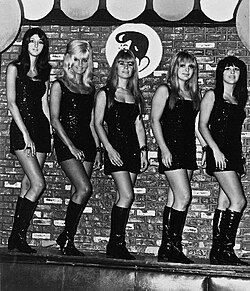
The movement was not limited to male musicians. Female garage bands emerged during this peak, challenging the gender norms of the music industry with their own high-voltage performances.
Global Expansion
The garage sound resonated worldwide, adapting to local cultures. In the United Kingdom, it blended with the beat scene. In Latin America, bands like Los Mockers in Uruguay brought the sound to South America, while Japan developed its own "Group Sounds" (G.S.) boom. Other active scenes appeared in the Netherlands, Mexico, Peru, India, and Cambodia.
From Psychedelia to Proto-Punk
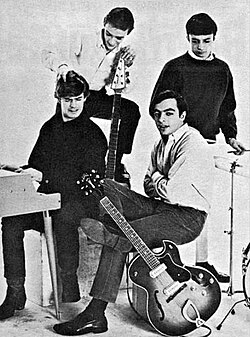
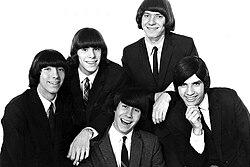
As the 1960s progressed, garage rock began to merge with the counterculture and psychedelia (music characterized by mind-altering sounds and surreal lyrics), leading to the "garage-psych" hybrid. Some acts pushed the boundaries further into the avant-garde, using primitivist techniques to create jarring, experimental music.
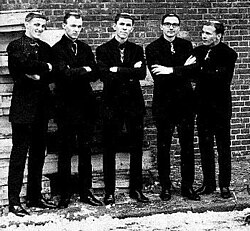
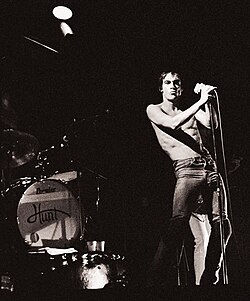
By the late 1960s and early 1970s, the genre evolved into proto-punk. This transitional phase featured bands that stripped away the psychedelic flourishes in favor of a harder, more aggressive edge. Acts like The Stooges, featuring Iggy Pop, and the MC5 became preeminent figures in this movement, setting the stage for the mid-1970s punk explosion in New York and London.
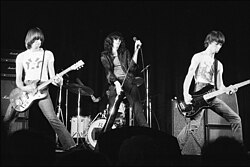
The Ramones, heavily influenced by the simplicity and speed of early garage rock, eventually spearheaded the punk movement, bringing the genre's raw ethos into a new decade.
Legacy and Modern Revivals
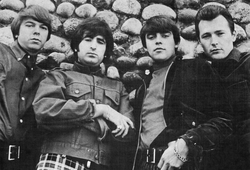
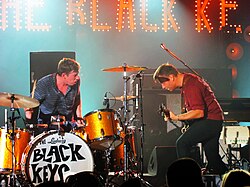
Garage rock never truly disappeared; it merely mutated. Throughout the 1970s and 80s, retro revival acts kept the spirit alive. This evolved into the modern garage rock revival, where bands like The Black Keys continue to utilize the distorted, blues-influenced sound of the 1960s for contemporary audiences.
| Period | Phase | Key Characteristics | Notable Influences/Acts |
|---|---|---|---|
| 1958–1964 | Origins | Instrumental, Surf, Frat Rock | Link Wray |
| 1964–1968 | Peak Years | Raw energy, British Invasion influence | The Beatles, Count Five, The Troggs |
| 1969–1975 | Proto-Punk | Aggressive, stripped-down sound | The Stooges, MC5 |
| 1976–Present | Punk & Revival | Fast tempos, DIY ethos, retro-blues | The Ramones, The Black Keys |
Frequently Asked Questions
What is the difference between garage rock and punk rock?
Garage rock is the precursor to punk. While both share a DIY ethos and raw sound, garage rock is more closely tied to 1960s rock and roll and R&B, whereas punk rock is a more formalized movement characterized by faster tempos and specific political or social rebellion.
How did the British Invasion affect garage rock?
The British Invasion, led by the Beatles, inspired a massive wave of amateur musicians in the US and Canada to start their own bands, leading to the proliferation of local garage scenes in the mid-1960s.
What is proto-punk?
Proto-punk refers to the music produced between the peak of garage rock and the official start of the punk movement. It bridges the gap by introducing the aggression and minimalism that would define punk.
Was garage rock only popular in the United States?
No. While it started in North America, it became a global phenomenon with significant scenes in the UK, Europe, Japan, and Latin America.
What are some derivative genres of garage rock?
Garage rock influenced a wide array of styles, including hard rock, heavy metal, power pop, grunge, psychobilly, and the post-punk revival.