Gangnam District: Seoul's Economic and Cultural Powerhouse
Located in the heart of South Korea's capital, Gangnam District (Gangnam-gu) is a global symbol of prosperity, modern urban development, and cultural influence. Literally meaning "South of the [Han] River," this autonomous district has transformed from a relatively undeveloped area into one of the most affluent and dynamic regions in the world. Known for its high standard of living and concentrated wealth, Gangnam is often compared to international hubs like Beverly Hills.
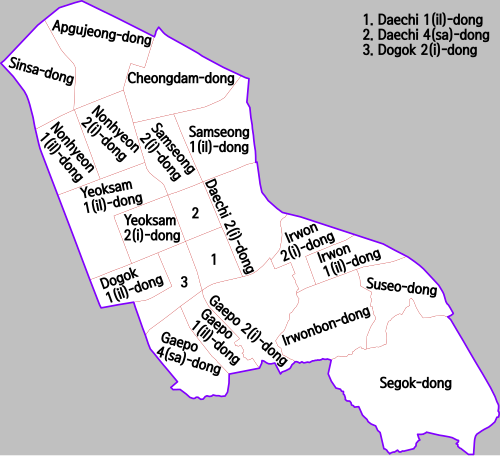
Key Facts
- Location: Seoul, South Korea (Sudogwon region).
- Area: 39.49 km² (15.25 sq mi).
- Population: Approximately 556,492 (as of July 2025).
- Economic Status: Extremely high real estate values, often doubling the Seoul average.
- Cultural Impact: The inspiration for the global hit "Gangnam Style" and a hub for K-pop entertainment.
- Education: Considered the national capital of education in South Korea.
A History of Rapid Transformation
Unlike the historical centers of Seoul, such as Jongno and Jung Districts, which have served as the city's heart for over 600 years, Gangnam's prominence is a modern phenomenon. Until 1962, the area was part of Gyeonggi Province. It was only through full-scale development in the 1970s that the region began to take its current shape.
The district underwent several administrative shifts. In 1975, the southern portion of the former Seongdong District was separated to form Gangnam. Subsequent years saw the creation of neighboring districts like Gangdong and Songpa, and the incorporation of areas from Gwanak District, eventually resulting in the modern administrative boundaries we see today.
Economic Dominance and Real Estate
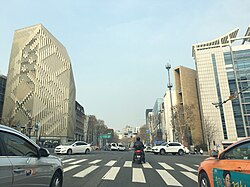
The economy of Gangnam is defined by immense wealth and high-value land. The real estate market here is a primary indicator of the district's status; as of 2024, apartment prices in Gangnam were more than double those in the rest of Seoul. To put its economic scale into perspective, the land valuation of this 40 km² district rivals that of Busan, South Korea's second-largest city.
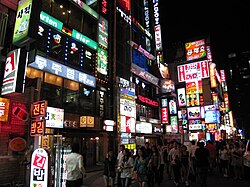
Beyond real estate, Gangnam is a major commercial and entertainment hub. The district is home to numerous influential entertainment companies, including HYBE Corporation, SM Entertainment, and FNC Entertainment. Additionally, the COEX Convention & Exhibition Center serves as a premier venue for international events, having hosted major summits such as the G-20 and the Nuclear Security Summit.
The Educational Epicenter
Gangnam is widely regarded as the "national capital of education." The intense competition for university entrance in South Korea is highly visible here. Statistics show that Gangnam residents hold a disproportionate influence on academic success; for example, in 2010, roughly 6% of successful candidates to the prestigious Seoul National University were from Gangnam, despite the district making up only 1% of the national population.
This academic reputation has also turned the area into a destination for "study tourism," with an increasing number of international students arriving to take Korean language lessons at local and foreign-owned academies.
Culture, Tourism, and Pop Culture
From luxury shopping to historical landmarks, Gangnam offers a diverse range of attractions. Visitors can explore the Seolleung and Jeongneung tombs, shop at the Galleria Department Store, or visit the COEX Mall and its aquarium. For those interested in martial arts, the Kukkiwon (World Taekwondo Headquarters) is a significant site.
The district's influence extends deep into global pop culture. The 2012 song "Gangnam Style" by Psy brought international eyes to the area, with music videos filmed against the backdrop of the iconic ASEM Tower and Trade Tower. The area's reputation as a center for fashion and aesthetics has even been reflected in popular media, such as the webtoon and drama My ID is Gangnam Beauty.
Quick Reference Summary
| Category | Details |
|---|---|
| Administrative Type | Autonomous District |
| Major Neighborhoods (Dong) | Apgujeong, Cheongdam, Daechi, Dogok, Gangnam, Samseong, and more |
| Key Transport Links | Subway Lines 2, 3, 7, 9, Bundang, and Shinbundang Lines |
| Major Landmarks | COEX Center, Starfield Library, Bongeunsa Temple, Dosan Park |
| Primary Industries | Finance, Entertainment, Education, and Luxury Retail |
Frequently Asked Questions
What does the name "Gangnam" mean?
The name Gangnam (江南) literally translates to "South of the [Han] River."
Is Gangnam a single district or a larger region?
While Gangnam-gu is a specific administrative district, the term "Gangnam" is often used more broadly to refer to the entire region south of the Han River, which includes the Seocho and Songpa districts.
How is the transportation in Gangnam?
The district is exceptionally well-connected by public transit, served by multiple Seoul Subway lines including Lines 2, 3, 7, and 9, as well as the Bundang and Shinbundang lines.
Why is Gangnam famous globally?
Gangnam gained massive international recognition due to the viral success of Psy's "Gangnam Style," which showcased the district's unique lifestyle and landmarks.
What are the main attractions for tourists?
Top attractions include the COEX Mall, the Starfield Library, the Seolleung and Jeongneung royal tombs, and various high-end shopping areas like Apgujeong Rodeo street and Sinsa Garosugil.