Apgujeong-dong: Seoul's Premier Destination for Fashion, Luxury, and Culture
Located within the prestigious Gangnam District of Seoul, Apgujeong-dong stands as one of South Korea's most affluent and influential neighborhoods. Known for its high-end residential areas, trendsetting fashion, and elite educational institutions, it serves as a central hub for the country's luxury lifestyle and cultural trends.
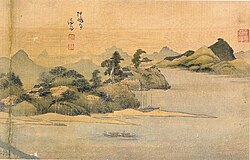
The name Apgujeong-dong carries deep historical roots. It originates from a pavilion established by Han Myŏnghoe, a high-ranking government official during the 15th-century Joseon period. The Hanja (Chinese characters) name translates to "Seagull Pavilion," a nod to the official's nickname, which symbolized peace through the imagery of flying seagulls.
Key Facts
- Location: Gangnam District, Seoul, South Korea
- Total Area: 2.53 km²
- Population (2025): 25,513
- Economic Status: One of South Korea's wealthiest neighborhoods
- Primary Transit: Seoul Subway Line 3 (Apgujeong and Sinsa stations)
A Hub of Fashion and Shopping
Apgujeong-dong is a global destination for fashion enthusiasts. The area is characterized by its upscale boutiques, designer shops, and high-end department stores. Two major flagship locations, the Hyundai Department Store and the Galleria Department Store, anchor the district's retail landscape.
A central artery of this shopping experience is Apgujeong Rodeo Street, situated directly opposite the Galleria Department Store. This vibrant area features a mix of local and international designers, alongside notable spots such as Nori Market, the Vanessa Bruno outlet, Mui Mui Cafe, and On Friday Restaurant. This street, along with Cheongdam-dong Fashion Street and Garosu-gil in Sinsa-dong, forms a continuous corridor of style connected by the main avenue, Apgujeong-ro.
Entertainment and Pop Culture
The district has played a significant role in the evolution of the K-pop industry. The eastern side of the neighborhood was the original registered headquarters for the major entertainment agency S.M. Entertainment. While the company moved its offices to Cheongdam-dong in 2012, its former building was repurposed in 2013 as a Global Artist Training Center for trainees, later becoming the SM Entertainment Celebrity Center in 2017.
Beyond music, the area's aesthetic appeal has made it a favorite for media production. For instance, the Caffè Pascucci coffee chain in Apgujeong served as a primary filming location for the 2001 Seoul Broadcasting System drama Beautiful Days, which featured prominent actors such as Lee Byung-hun and Choi Ji-woo.
Residential and Educational Profile
Apgujeong-dong is highly sought after for its residential prestige. In 2019, the Korea Ministry of Land, Infrastructure and Transport reported housing prices in the area at approximately US$28,300 per square meter. This wealth is matched by a robust educational infrastructure, with numerous hagwons (private academies) and established schools serving the community.
Local Schools
- Apgujeong Elementary School
- Apgujeong Middle School
- Sinsa Middle School
- Shingu Middle School
- Apgujeong High School
- Chungdam High School
- Hyundai Senior High School
Transportation and Accessibility
Navigating Apgujeong-dong is efficient thanks to a well-connected network of subways and buses. The neighborhood is served by two major stations on Seoul Subway Line 3: Apgujeong station and Sinsa station. Additionally, the Bundang Line's Apgujeongrodeo station is located to the east, marking the boundary with Cheongdam-dong.
For those preferring bus travel, five major lines provide access to the area: 143, 145, 147, 148, and 240. These lines allow for seamless transfers between the bus network and the subway system.
Summary of Apgujeong-dong
| Category | Details |
|---|---|
| Total Area | 2.53 km² |
| Population Density | 10,400/km² |
| Major Retailers | Hyundai Department Store, Galleria Department Store |
| Key Subway Lines | Line 3, Bundang Line |
| Primary Industries | Fashion, Retail, Education, Entertainment |
Frequently Asked Questions
What does the name Apgujeong mean?
The name translates to "Seagull Pavilion," referring to a pavilion founded by the 15th-century official Han Myŏnghoe, inspired by his nickname regarding seagulls.
Where is the best place for shopping in Apgujeong-dong?
Apgujeong Rodeo Street, located near the Galleria Department Store, is a primary destination for local and international designer brands.
How can I get to Apgujeong-dong by subway?
You can use Apgujeong station or Sinsa station on Seoul Subway Line 3, or Apgujeongrodeo station on the Bundang Line.
Is Apgujeong-dong an expensive area?
Yes, it is considered one of the wealthiest neighborhoods in South Korea, with high-end residential properties and luxury retail stores.
What is the significance of S.M. Entertainment in this area?
While the agency moved its main offices to Cheongdam-dong in 2012, its former headquarters in eastern Apgujeong-dong was converted into a celebrity training center.