Gairloch: A Coastal Gem of the North-West Highlands
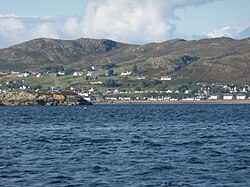
Nestled on the shores of Loch Gairloch in Wester Ross, Gairloch (Scottish Gaelic: Geàrrloch, meaning "Short Loch") is a picturesque village and community in the North-West Highlands of Scotland. Known for its stunning landscapes and welcoming atmosphere, it serves as a primary destination for travelers journeying along the famous North Coast 500 route.
Whether visiting for the rugged mountains, pristine beaches, or rich clan history, Gairloch offers a blend of traditional Highland charm and modern amenities. From its role as a summer tourist hub to its deep-rooted community spirit, the village is a quintessential example of life in the Highlands.
Key Facts
- Location: Wester Ross, Highland council area, Scotland.
- Population: 610 (2020) for the village; 950 for the wider civil parish.
- Key Attractions: Gairloch Heritage Museum, local golf course, and the North Coast 500 route.
- Geography: Comprised of three main clusters: the Harbour, Achtercairn, and Strath.
- Historical Significance: Long-term ownership by the Mackenzies of Gairloch since the 15th century.
Geography and Climate
Gairloch is not a single concentrated town but a series of settlements. The Harbour area, including Charlestown, serves as a focal point for maritime activity. Achtercairn acts as the central hub for public services, while Strath provides additional residential and commercial spaces.
The village is accessible via the A832 road. Travelers heading north pass through Achtercairn before ascending the Achtercairn Brae toward Poolewe. To the west, the B8021 coastal road leads toward Melvaig and the Rua Reidh Lighthouse.
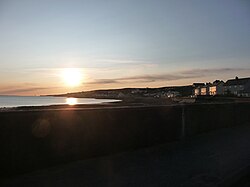
The local climate is significantly influenced by the Gulf Stream, which brings relatively warm waters to the coast during the summer. This unique maritime environment occasionally attracts swarms of jellyfish, most of which are harmless. The community has also fought to maintain high water quality, resulting in the Gaineabh Mhòr (main beach) and Sands beach receiving Designated Bathing Waters status in 2017.
History and Land Ownership
Since the 15th century, the lands around Gairloch have been primarily owned by the Mackenzies of Gairloch, starting with Hector Roy Mackenzie. The family established their home in the sheltered glen of Flowerdale.
The Mackenzies are historically noted for their loyalty to their tenants. During the 19th-century Highland Clearances—a period of forced displacements—Sir Hector Mackenzie and his sons refused to evict a single tenant, even when the estate operated at a financial loss. This compassion allowed Gairloch to become a refuge for evicted Highlanders from other areas, contributing to the thriving community that exists today.
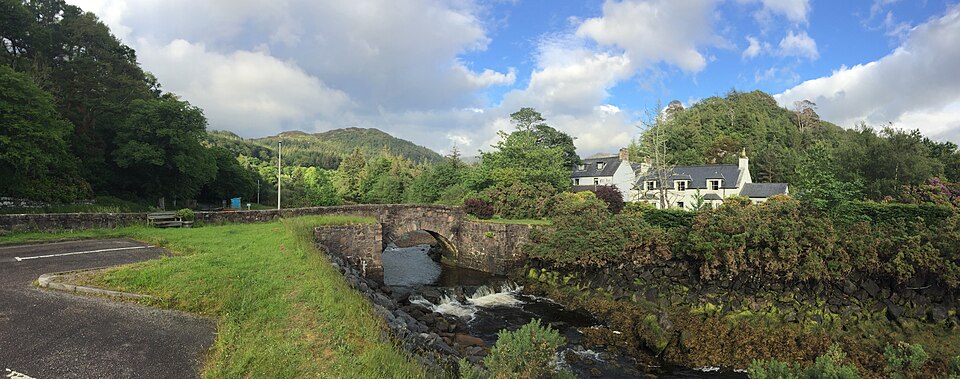
The Flowerdale glen is known for its unique microclimate, which historically allowed for the growth of exotic plants, including peaches. Today, the estate also utilizes micro hydroelectric schemes to generate sustainable income.
Local Economy and Fishing
Historically, Gairloch and the nearby "overside" area of Badachro relied heavily on creel shellfish fishing and small-scale trawling. While the number of active commercial boats has declined and some processing businesses have closed, the maritime tradition persists through tourism.
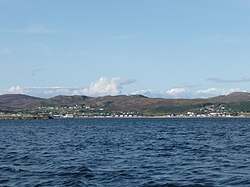
Visitors can now engage with the sea through boat fishing trips, marine wildlife excursions, and trout fishing in the surrounding hill lochs. Many former fishermen have successfully diversified their businesses to cater to the growing tourism sector.
Tourism and Amenities
Gairloch is well-equipped for visitors, offering a variety of hotels, shops, and leisure facilities. The village features a community centre, a leisure centre with sports facilities, and a golf course. For those seeking outdoor accommodation, the Gairloch Holiday Park in Strath and Sands Caravan & Camping provide options for tents and motorhomes.
Culture and Heritage
The Gairloch Heritage Museum is a centerpiece of local culture, housed in a former Cold War Anti-Aircraft Operations Room. It displays a rare Pictish stone featuring a salmon carving, discovered in 1880, which is one of the westernmost examples of its kind in Scotland.
The area also holds solemn history; the site of a 1945 plane crash at the Fairy Lochs is preserved as a designated war grave and memorial to USAAF servicemen.
Education and Media
The community supports a comprehensive education campus in Achtercairn, including Gairloch Primary School (offering both English and Gaelic medium learning) and Gairloch High School. The village is also home to Radio Wester Ross, the UK's smallest local radio station, and the Gairloch and District Times newspaper.
The stunning scenery has attracted filmmakers, serving as a location for movies such as Stardust (2007), What We Did on Our Holiday (2014), and Out of Darkness (2022).
Gairloch Quick Reference
| Feature | Details |
|---|---|
| Postcode District | IV21 |
| Dialling Code | 01445 |
| Nearest Airport | Inverness |
| Nearest Railway | Achnasheen |
| Key Landmarks | Rua Reidh Lighthouse, Flowerdale Glen, Fairy Lochs |
Frequently Asked Questions
What does the name Gairloch mean?
Gairloch comes from the Scottish Gaelic Geàrrloch, which translates to "Short Loch."
Why is Gairloch's community history unique?
Unlike many other Highland areas, the Mackenzies of Gairloch refused to evict their tenants during the 19th-century clearances, allowing the community to remain intact and even grow as it welcomed displaced people from other regions.
What can visitors see at the Gairloch Heritage Museum?
The museum features local exhibits, a gallery for local artists, and a significant Pictish stone with a salmon carving found in 1880.
How do I get to Gairloch via public transport?
There is a public bus service to and from Inverness operating on Mondays, Tuesdays, Fridays, and Saturdays, with weekly services also available to Dingwall and Ullapool.
Is Gairloch part of the North Coast 500?
Yes, Gairloch is one of the principal villages located along the North Coast 500 tourist route.