Fungi: The Biological Powerhouses of the Natural World
Fungi are a diverse kingdom of eukaryotic organisms that play a critical role in the Earth's ecosystem. Often mistaken for plants, fungi are biologically distinct, sharing a closer evolutionary relationship with animals than with the plant kingdom. From the microscopic yeasts used in baking to the massive underground networks of mycorrhizal fungi, these organisms are essential for nutrient cycling and the survival of many other species.
The study of these organisms, known as mycology, reveals a complex world of biological interactions. Fungi have existed since at least the Middle Ordovician period, approximately 460 million years ago, evolving into a vast array of forms including molds, mushrooms, and yeasts.
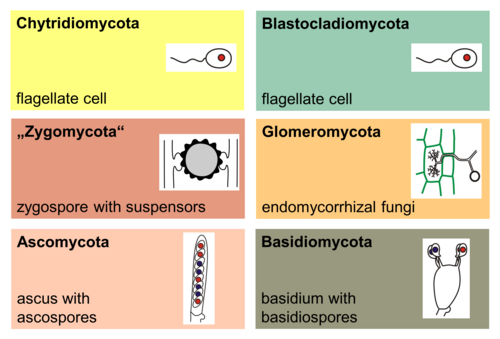
Key Facts
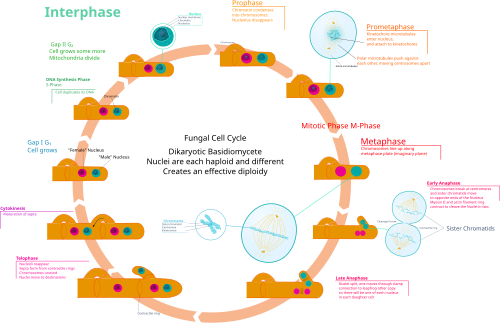
- Evolutionary Range: Present from the Middle Ordovician (460 Ma) to the present day.
- Biological Classification: Belong to the domain Eukaryota and the clade Opisthokonta.
- Diversity: Estimated species counts range from 2.2 to 3.8 million.
- Ecological Role: Primary decomposers that break down organic matter and form symbiotic bonds with plants.
- Human Impact: Source of life-saving antibiotics like penicillin and essential food products like Stilton cheese.
Morphology and Structure
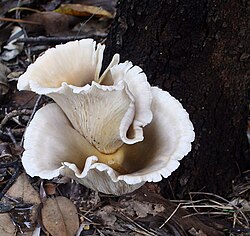
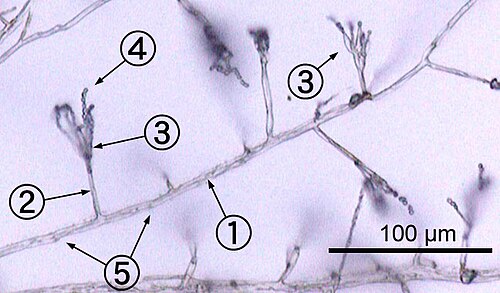
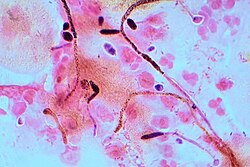
Most fungi are multicellular and grow as a network of filaments called hyphae. These hyphae collectively form a mass known as a mycelium. The cell walls of fungi are unique, containing chitin rather than the cellulose found in plants.
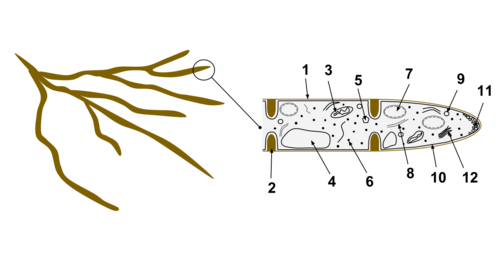
Microscopic Anatomy
At the cellular level, fungal hyphae contain various organelles, including mitochondria, vacuoles, and the Spitzenkörper, a specialized organizing center for growth at the hyphal tip. Some fungi possess septa, which are cross-walls that divide hyphae into individual cells, while others are coenocytic (lacking septa).
Macroscopic Structures
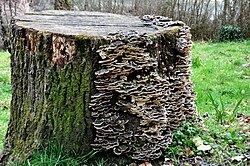
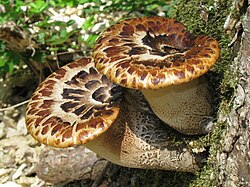
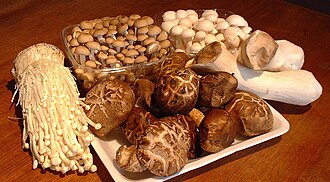
While the mycelium remains largely hidden underground or within a substrate, some fungi produce macroscopic fruiting bodies. These structures, such as mushrooms or bracket fungi, are designed for the production and dispersal of spores.
Growth and Reproduction
![Widespread white fungus in wood chip mulch in an Oklahoma garden[53]](/images/37/24/37246868764dae0ef8d78c718fa6e39ce52be2fcd7de659b602fbbbadb0dd40e.jpg)
Fungi exhibit remarkable versatility in how they grow and reproduce, utilizing both asexual and sexual cycles to ensure survival in diverse environments.
Asexual Reproduction
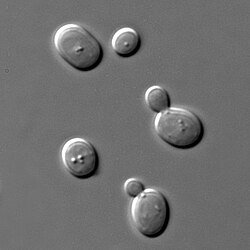
Many fungi reproduce asexually through the production of spores (conidia) or by budding, as seen in yeasts like Saccharomyces cerevisiae. This allows for rapid colonization of a food source.
Sexual Reproduction
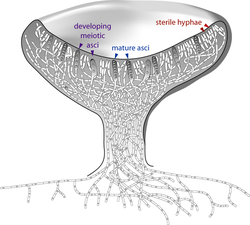
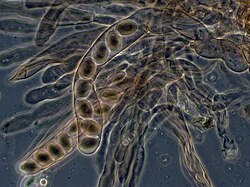
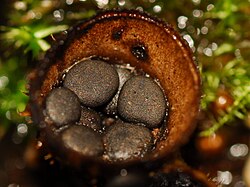
Sexual reproduction involves the fusion of compatible hyphae. In higher fungi, this often results in a dikaryon, a cell containing two separate nuclei. This process increases genetic diversity and often culminates in the formation of a fruiting body, such as an apothecium in ascomycetes.
Spore Dispersal
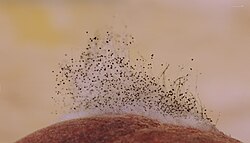
Fungi have evolved ingenious methods for spreading their spores. Some use wind, while others employ explosive discharge mechanisms—essentially "fungal cannons"—to launch spores into the air.
Ecological Roles and Symbiosis
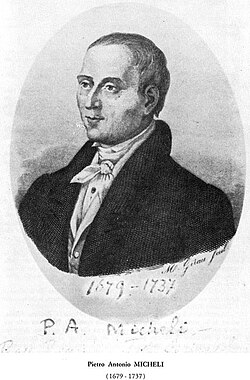
Fungi are not merely decomposers; they are active participants in complex biological partnerships.
Symbiosis with Plants
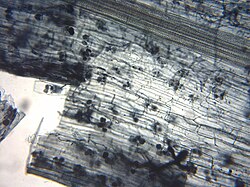
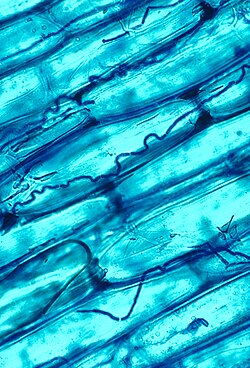
Mycorrhiza is a symbiotic association between fungi and plant roots. Arbuscular mycorrhiza, for example, penetrate the root cells of plants to exchange nutrients, helping the plant absorb phosphorus while the fungus receives carbohydrates.
Lichens and Other Partnerships
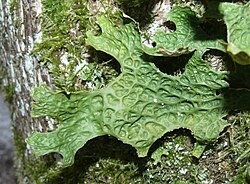
Lichens represent a unique symbiosis between a fungus and a photosynthetic partner, such as algae or cyanobacteria. This partnership allows them to survive in some of the harshest environments on Earth.
Parasitism and Pathogens
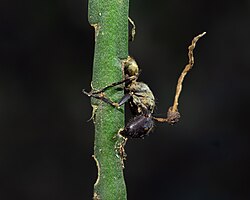
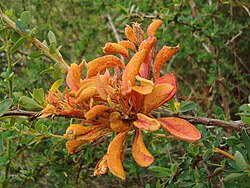
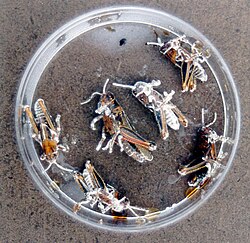
Some fungi act as parasites. The Ophiocordyceps unilateralis is known for infecting ants, effectively controlling their behavior, while other fungi cause diseases in plants (like calafate rust) or humans (like candidiasis).
Human Use and Impact
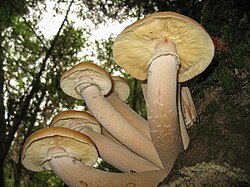
Humans have harnessed fungi for medicine, food, and industry for millennia.
Medicine and Biotechnology
The discovery of penicillin from the mold Penicillium rubens revolutionized medicine. Additionally, fungi are used to produce statins for lowering cholesterol and are being explored for bioremediation to clean up toxic waste, including depleted uranium.
![The mold Penicillium rubens was the source of penicillin G.[249]](/images/76/ae/76aee6829c6a75aed1c87b5064f2b2778e552ceb90c504241788336ef4ffb8b7.png)
Food and Industry
Fungi are essential in food production, from the fermentation of bread and beer to the creation of aged cheeses like Stilton, which uses Penicillium roqueforti.

Toxicity and Danger
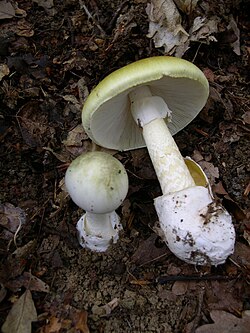
Not all fungi are beneficial. Some produce mycotoxins, such as ergotamine from Claviceps species, which can cause hallucinations and gangrene. Others, like Amanita phalloides, are lethally poisonous to humans.
Summary of Fungal Characteristics
| Feature | Description |
|---|---|
| Cell Wall Composition | Chitin |
| Trophic Level | Absorptive Heterotrophs (Decomposers, Parasites, Symbionts) |
| Primary Structures | Hyphae and Mycelium |
| Reproduction | Asexual (spores/budding) and Sexual (fusion/dikaryons) |
| Key Groups | Ascomycota, Basidiomycota, Chytridiomycota, Glomeromycota |
Frequently Asked Questions
![(6aR,9R)-N-((2R,5S,10aS,10bS)-5-benzyl-10b-hydroxy-2-methyl-3,6-dioxooctahydro-2H-oxazolo[3,2-a] pyrrolo[2,1-c]pyrazin-2-yl)-7-methyl-4,6,6a,7,8,9-hexahydroindolo[4,3-fg] quinoline-9-carboxamide](/images/86/fc/86fc9e2931a0d3a20acfec894c09fb64b90981eb117b1d5fdaede8f589134e1b.png)
Are fungi plants?
No, fungi are not plants. While they are stationary and grow in soil, they lack chlorophyll and cannot perform photosynthesis. Genetically, they are more closely related to animals.
What is the difference between a mold and a mushroom?
Both are fungi. A mushroom is the macroscopic fruiting body of certain fungi (mostly basidiomycetes), whereas mold refers to fungi that grow as multicellular filaments (hyphae) without forming large fruiting bodies.
How do fungi help the environment?
Fungi are primary decomposers that break down complex organic materials like lignin and cellulose in wood, returning vital nutrients to the soil. They also form mycorrhizal networks that support plant growth.
What are mycotoxins?
Mycotoxins are toxic secondary metabolites produced by certain fungi. These chemicals can be harmful to humans and animals if ingested, leading to conditions ranging from hallucinations to organ failure.
Can fungi be used in medicine?
Yes, fungi are a major source of pharmaceuticals. The most famous example is penicillin, an antibiotic derived from Penicillium molds, but they are also used to produce cholesterol-lowering statins.