Frogs: Biology, Evolution, and Diversity of the Order Anura
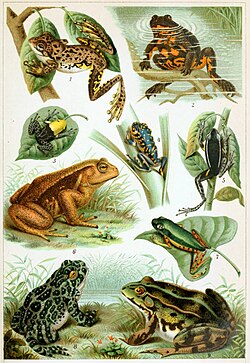
Frogs are among the most diverse and recognizable animals on Earth. Belonging to the order Anura, these amphibians represent approximately 87% of all amphibian species. With over 7,700 species distributed across 59 families, frogs have adapted to nearly every environment, from the humid rainforests of the tropics to the freezing edges of the Arctic Circle.
From their unique jumping mechanics to their complex life cycles, frogs serve as vital indicators of environmental health and primary predators in many ecosystems.
Key Facts
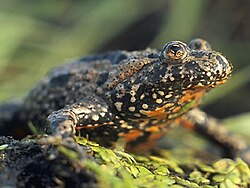
- Species Diversity: Over 7,700 species exist, with Hylidae (tree frogs) being one of the richest families.
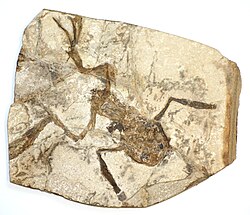
- Evolutionary Timeline: They have existed since the Early Jurassic period (approximately 200 million years ago).
- Biological Classification: They belong to the class Amphibia and the order Anura.
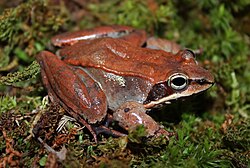
- Global Reach: While most diverse in warm regions, some species, like the wood frog, survive near the Arctic Circle.
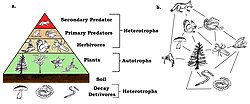
- Ecological Role: They function as primary predators within the trophic pyramid.
Taxonomy and Evolution
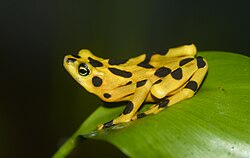
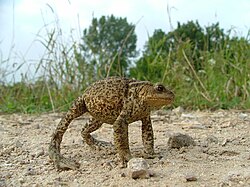
The order Anura is characterized by a vast array of species. The most species-rich families include the Hylidae (1,062 species), Strabomantidae (807 species), Microhylidae (758 species), and Bufonidae (657 species).
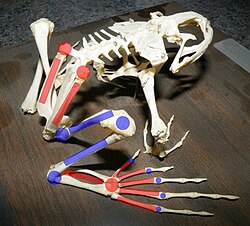
The evolutionary history of frogs dates back to the Early Jurassic. Fossil evidence, such as that found in the Czech Republic, provides insight into their early forms. Over millions of years, they developed specialized skeletal structures, including elongated limb bones and mobile joints, which enabled their signature jumping ability.
Morphology and Physiology
Physical Adaptations
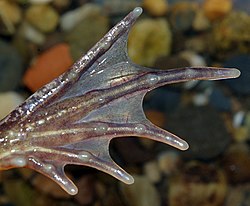
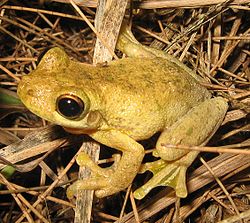
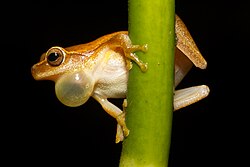
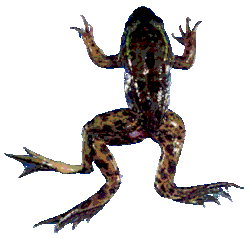
Frogs possess highly specialized limbs. Their hind legs are designed for explosive jumping, often utilizing elastic energy storage in tendons. Depending on the species, their feet may feature webbed toes for swimming or large toe pads for climbing vertical surfaces.
Skin and Respiration
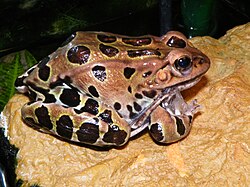
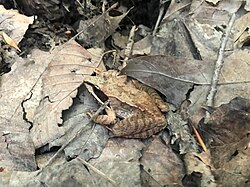
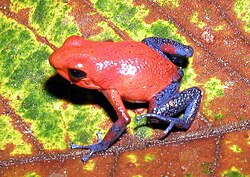
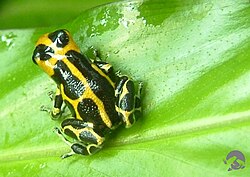
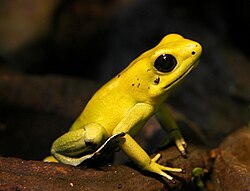
Frog skin is a multifunctional organ. It can be used for respiration, camouflage, and defense. Some species use disruptive coloration to blend into their surroundings, while others secrete toxins to deter predators. For example, the strawberry poison-dart frog contains alkaloids that make it toxic to attackers.
Internal Anatomy
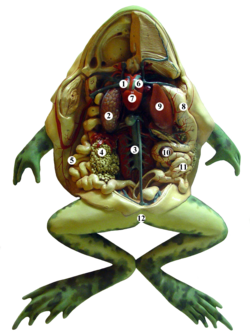
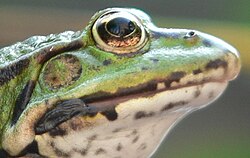
The internal systems of a frog are adapted for a semi-aquatic lifestyle. Their circulatory system typically features a three-chambered heart, and their respiratory system includes lungs that work in tandem with their permeable skin.
Locomotion and Behavior
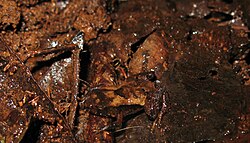
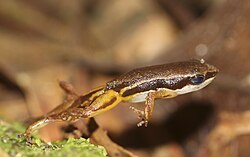
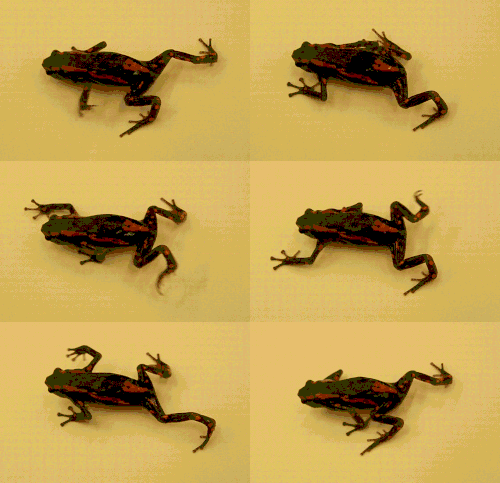
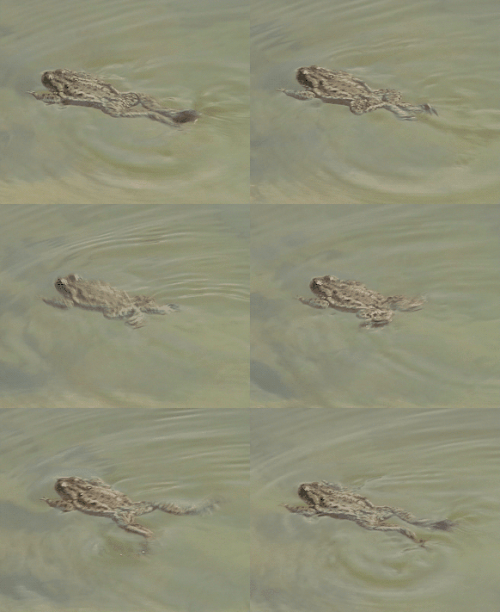
While jumping is the most iconic form of frog movement, different species have evolved various ways to navigate their environments:
- Jumping: Used for rapid escape and hunting.
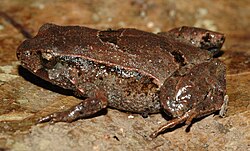
- Walking and Running: Some species, such as Phrynomantis bifasciatus, move across level surfaces with a walking gait.
- Swimming: Toads and frogs use webbed feet to navigate water efficiently.
- Burrowing: Certain species dig into the earth to survive harsh conditions.
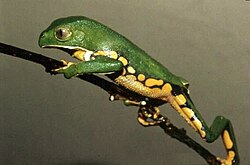
- Climbing and Gliding: Tree frogs use specialized pads to climb, and some can even glide through the air.
Life History and Reproduction
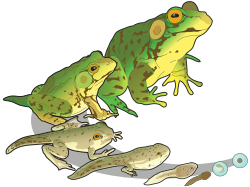
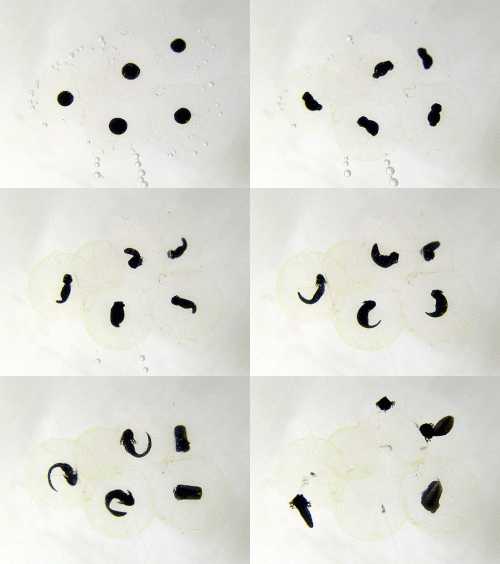
The life cycle of a frog is a classic example of metamorphosis—a biological process of transforming from an immature form to an adult.
The Life Cycle
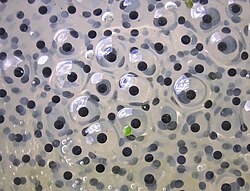
- Eggs (Frogspawn): Most frogs lay eggs in water, often in large masses.
- Tadpoles: The larval stage, where the animal breathes through gills and lives entirely underwater.
- Metamorphosis: The transition period where the tadpole develops lungs, grows limbs, and reabsorbs its tail.
- Adult: The mature frog, capable of living on land and reproducing.
Parental Care and Defense
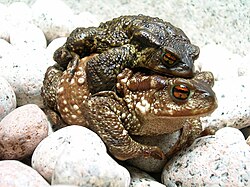
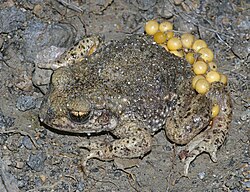
Reproduction varies widely. Some species exhibit amplexus (the mating embrace), while others show advanced parental care. For instance, the male common midwife toad carries the eggs on its legs until they hatch.
Distribution and Conservation
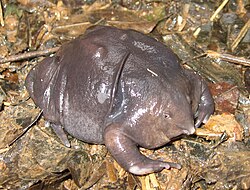
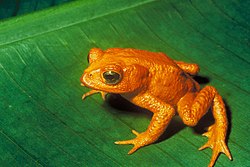
Frogs are found worldwide, though they are most diverse in tropical regions. However, they face significant threats from habitat loss, traffic, and diseases such as Ranavirus. The loss of species is a serious concern; for example, the golden toad was last seen in 1989 and is considered extinct.
| Feature | Description |
|---|---|
| Order | Anura |
| Estimated Species | Over 7,700 |
| Temporal Range | Early Jurassic to Present |
| Primary Locomotion | Jumping, Swimming, Climbing |
| Key Life Stage | Metamorphosis (Tadpole to Adult) |
Human Interaction
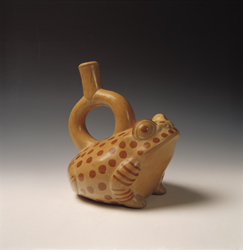
Humans have a complex relationship with frogs. They are used extensively in scientific and pharmaceutical research due to their biological properties. In some cultures, they hold artistic and cultural significance, appearing in ancient sculptures. Additionally, some species are consumed as food, such as the French cuisses de grenouille.

Frequently Asked Questions
How do frogs breathe?
Frogs use a combination of lungs and their skin. Their permeable skin allows them to absorb oxygen directly from the water or moist air, a process known as cutaneous respiration.
What is metamorphosis in frogs?
Metamorphosis is the process where a larval tadpole transforms into an adult frog. This involves growing legs, developing lungs, and losing the tail and gills.
Are all frogs poisonous?
No, but many species secrete toxins for defense. Poison-dart frogs are the most famous examples, utilizing alkaloids to deter predators.
Why are frogs important to the environment?
Frogs act as primary predators that control insect populations and serve as a food source for larger animals, making them a critical link in the food chain.
Can frogs live in cold climates?
Yes. While most prefer warmth, some species like the wood frog have adapted to survive in extremely cold environments, including areas near the Arctic Circle.