French Opera: A History of Innovation and Grandeur
French opera represents one of Europe's most prestigious musical traditions, encompassing both the art of opera created within France and works composed in the French language. From the lavish courts of the 17th century to the avant-garde experiments of the 20th, it has been shaped by a blend of native genius and the influence of foreign-born composers who adapted their styles to suit the unique tastes of the French public.
The tradition is defined by its diversity, ranging from the structured tragédie en musique to the lighthearted opéra comique and the spectacle of Grand opera. Throughout its evolution, French opera has balanced a commitment to dramatic clarity and the natural inflection of the French language with a love for dance, choral grandeur, and scenic splendor.
Key Facts
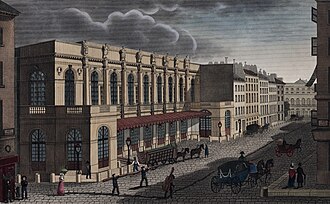
- Founding Father: Jean-Baptiste Lully established the lasting French tradition under Louis XIV.
- Core Genres: Major forms include tragédie en musique (serious drama), opéra comique (dialogue-based), and Grand opera (large-scale spectacle).
- Global Icons: Georges Bizet's Carmen remains one of the most famous operas worldwide.
- Foreign Influence: Many pivotal figures, including Lully, Gluck, and Meyerbeer, were born outside France.
- Modern Evolution: The 20th century saw a shift toward surrealism and spiritual drama with composers like Poulenc and Debussy.
The Birth of a Tradition: Lully and the Baroque Era
Opera first arrived in France via Italy in 1645 with Francesco Sacrati's La finta pazza, but early efforts were met with lukewarm receptions. This resistance was partly political—due to the unpopularity of Cardinal Mazarin—and partly artistic, as the French court already favored the ballet de cour, a genre combining dance, song, and spectacle.
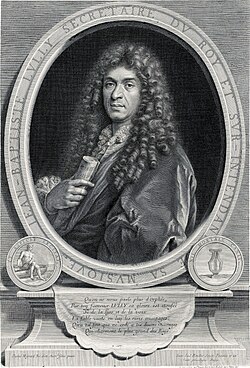
The tide turned with Jean-Baptiste Lully, a Florentine-born composer who became the favorite of King Louis XIV. Lully, alongside librettist Philippe Quinault, created the tragédie en musique, a form that emphasized choral writing and dance music. By securing a royal monopoly on stage music, Lully ensured his dominance over the French scene.
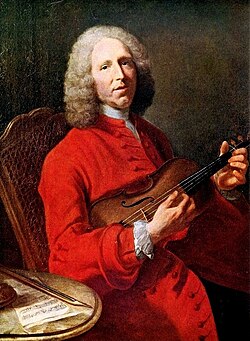
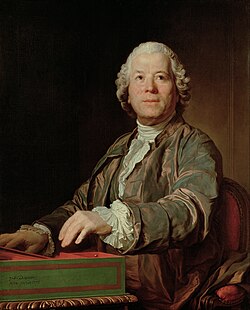
Following Lully, Jean-Philippe Rameau emerged as the next great innovator of the French Baroque. After Rameau, the tradition was further refined in the 1770s by Christoph Willibald Gluck, who simplified the musical structures to place a greater focus on the drama itself.
The Rise of Opéra Comique and the Gluckian Influence
While the prestigious opera houses focused on tragedy, a more populist genre emerged in the Paris fair theaters: opéra comique. Unlike traditional opera, this form featured arias that alternated with spoken dialogue, similar to the German Singspiel. Initially focusing on bourgeois characters rather than mythological heroes, it gained sophistication through composers like André Grétry, who blended Italian melody with French linguistic precision.
Gluck's arrival in Paris in 1774 marked a turning point. His works, such as Armide, were better received when adapted to French preferences, including the use of the haute-contre (a high tenor voice). This "Gluckian" approach—prioritizing dramatic truth over vocal ornamentation—influenced a generation of composers, including Antonio Salieri.
Revolution, Rossini, and the Era of Grand Opera
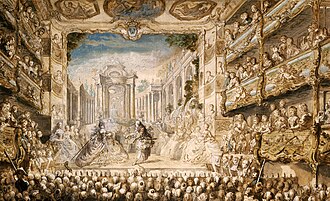
The French Revolution of 1789 acted as a cultural watershed, sweeping away the old Baroque traditions. In the aftermath, composers like Luigi Cherubini and Étienne Méhul brought a new dramatic seriousness to the stage, often reflecting the turbulent political climate through "rescue operas" where imprisoned heroes were freed.
By the 1820s, the influence of Gioachino Rossini led to the birth of Grand opera. This genre was characterized by its massive scale: heroic historical subjects, vast orchestras, sumptuous costumes, and mandatory ballet sequences. Giacomo Meyerbeer became the most famous exponent of this style, with works like Robert le diable creating sensations across Europe.
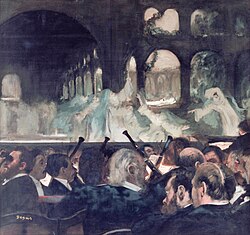
Even Giuseppe Verdi contributed to this tradition, writing Don Carlos specifically for the Paris Opéra in 1867. Meanwhile, Hector Berlioz attempted to carry the Gluckian torch with his epic Les Troyens, though it remained largely unperformed during his lifetime.
The Late 19th Century: From Operetta to Realism
The mid-to-late 1800s saw a diversification of styles. Jacques Offenbach revolutionized the scene with operetta—witty, cynical parodies of classical tragedy and contemporary society, such as Orphée aux enfers. Simultaneously, Charles Gounod achieved worldwide success with Faust.
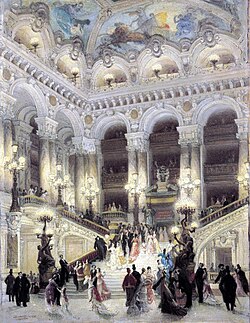
The era reached a peak with Georges Bizet's Carmen (1875). Though initially shocking for its blend of realism and romantic passion, it has become the quintessential French opera. This period also saw the opening of the magnificent Palais Garnier, providing a lavish home for the arts.
The 20th Century: Debussy and Les Six
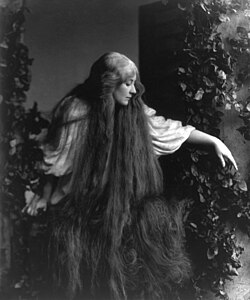
As the 20th century approached, the influence of Richard Wagner challenged French composers. Claude Debussy responded with Pelléas et Mélisande (1902), a masterpiece that distilled Wagnerian influence into a uniquely French aesthetic.
Later, a group known as Les Six, including Francis Poulenc and Darius Milhaud, brought a new spirit to the genre. Poulenc, in particular, achieved international acclaim with the spiritual drama Dialogues des Carmélites (1957), proving that French opera could still resonate on a global scale in the post-war era.
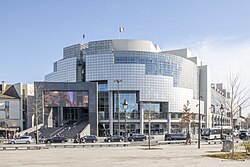
Summary of French Operatic Evolution
| Genre | Key Characteristics | Notable Composers | Era |
|---|---|---|---|
| Tragédie en musique | Serious drama, strong choral and dance elements | Lully, Rameau | 17th - Early 18th Century |
| Opéra comique | Arias alternating with spoken dialogue | Grétry, Philidor | 18th - 19th Century |
| Grand opera | Large scale, historical themes, lavish sets | Meyerbeer, Verdi | 19th Century |
| Operetta | Satirical, lighthearted, comedic | Offenbach | Mid-19th Century |
Frequently Asked Questions
Who is considered the father of French opera?
Jean-Baptiste Lully is regarded as the founder of the lasting French operatic tradition, having created the tragédie en musique under the patronage of King Louis XIV.
What is the difference between Grand opera and opéra comique?
Grand opera is characterized by its massive scale, historical subjects, and lack of spoken dialogue, whereas opéra comique is generally lighter and features a mixture of musical numbers and spoken dialogue.
Why was Georges Bizet's Carmen controversial at first?
Carmen shocked early audiences and critics because of its unconventional blend of gritty realism and romantic passion, which departed from the more idealized themes common at the time.
How did Claude Debussy respond to the influence of Richard Wagner?
Debussy created Pelléas et Mélisande, which served as a response to Wagnerian influence by creating a work that was a unique distillation of the essence of Wagner but remained distinctly French.
What was the role of the haute-contre in French opera?
The haute-contre is a high tenor voice that was highly preferred in French opera from the time of Lully, often replacing the castrato roles common in Italian opera.