Formosa Argentina: A Vibrant Hub on the Paraguay River
Located approximately 1,200 km north of Buenos Aires, Formosa serves as the capital of the Argentine province of the same name. Perched on the banks of the Paraguay River, directly opposite the Paraguayan town of Alberdi, this city is a vital center for industry and transport in the Argentine Littoral. With a population of approximately 234,000 (as of the 2010 census), Formosa blends a relaxed atmosphere with a rich cultural heritage influenced by its proximity to Paraguay.
The city's name is derived from the archaic Spanish word fermosa (modern hermosa), meaning "beautiful." This term was used by 16th-century Spanish sailors to describe the bend in the Paraguay River where the city now stands while they searched for the legendary Sierra de la Plata.
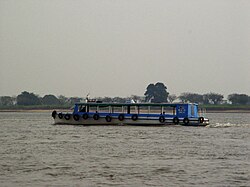
Key Facts
- Founded: April 8, 1879, by Commander Luis Jorge Fontana.
- Location: Banks of the Paraguay River, connected via National Route 11.
- Climate: Humid subtropical (Cfa), characterized by hot, sticky summers and mild winters.
- Economy: A provincial industrial hub focusing on natural resource processing.
- Key Landmark: The Costanera, a restored riverfront pathway used for arts and leisure.
History and Governance
Long before the city's official founding, the region was inhabited by the Toba and Wichí (Mataco) indigenous peoples. It was established as a settlement in 1879 and served as the capital of the National Territory of Chaco until June 15, 1955, when it transitioned to provincial status. Education in the region saw a significant milestone in 1988 with the establishment of the National University of Formosa.
Today, the city is managed by an autonomous Municipal Council. This governing body is divided into three branches: the Executive Department (led by the Mayor), the Legislative Department (the Deliberative Council), and the Judicial Department. Because it is the only municipality in the province with over 100,000 inhabitants, its Deliberative Council is the largest in the region, consisting of twelve councilors.
Culture and Tourism
Formosa's culture is notably distinct from the porteño (Buenos Aires) style, leaning closer to the traditions of neighboring Paraguay. The city is known for its laid-back pace, where residents gather at boliches (local clubs) or along the Costanera. The city has seen a rise in domestic winter tourism and international visitors, supported by high-end accommodations including the International Tourist Hotel and the Howard Johnson Neo Formosa, which features a casino.
Visitors can explore several cultural and historical sites:
- Religious and Civic Sites: Nuestra Señora del Carmen Cathedral, the Government House, and Plaza José de San Martín.
- Museums: The Provincial History Museum, Juan Pablo Duffard Historical Museum, and the Qomp Toba Artisanal Museum.
- Nature and Leisure: Torelli Botanic Forest Garden, Guaicole fauna reserve, and Isla de Oro Island.
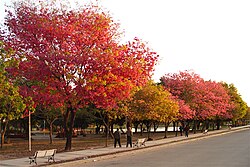
Festivals and Sports
The city celebrates its patron saint, Our Lady of Carmen, on July 16 with traditional pericón dancing in Plaza San Martín. Other major events include the Fiesta del Río in November, February's Carnaval, and the city's foundation anniversary in April. In sports, the city is home to the 23,000-capacity Estadio Don Carlos Antonio Romero and the Aborigen Rugby Club, founded in 1993.
Transport and Connectivity
Formosa is well-integrated into the national transport network. Travelers can reach the city via National Routes A011, 86, and 12. The city's infrastructure includes:
- Air: El Pucú Airport (FMA), located 7 km south, offering regular flights to Buenos Aires.
- Land: A comprehensive bus terminal connecting to major cities like Rosario, Córdoba, and Mendoza.
- Water: The Port of Formosa, providing essential boat services to Alberdi, Paraguay.
- Rail: While the General Belgrano Railway is currently inactive, its former station now serves as a museum.
Geography and Climate
Formosa experiences a humid subtropical climate (Cfa), making it one of the hottest and most humid regions in Argentina. Summers are long and intense, with temperatures frequently exceeding 35°C (95°F) and occasionally topping 40°C (104°F). Winters are generally mild, though southerly winds can bring brief periods of cold, drizzly weather.
Rainfall occurs throughout the year, peaking in the summer with intense thunderstorms. The highest recorded temperature was 43.7°C (110.7°F) in October 2014, while the lowest was −2.5°C (27.5°F) in July 2021.
| Metric | Summer (Jan/Dec) | Winter (Jun/Jul) | Annual Average |
|---|---|---|---|
| Mean Daily Max Temp | 33.0°C to 34.1°C | 22.7°C to 22.8°C | 28.6°C |
| Mean Daily Min Temp | 21.4°C to 22.5°C | 11.5°C to 13.1°C | 17.4°C |
| Avg Precipitation | 163.5mm to 178.4mm | 41.0mm to 60.3mm | 1,406.5mm |
| Relative Humidity | ~71% | ~81% | 74.5% |
Frequently Asked Questions
Who founded the city of Formosa?
The city was founded on April 8, 1879, by Commander Luis Jorge Fontana.
What is the meaning of the name "Formosa"?
It comes from the archaic Spanish word fermosa, which means "beautiful." It was originally used by sailors to describe the beauty of the river's bend.
How does the climate in Formosa differ from other parts of Argentina?
Formosa is among the hottest and most humid cities in the country, characterized by very hot summers and mild winters with rare frosts.
What are the main ways to travel to Formosa?
The city is accessible via El Pucú Airport, the Formosa Bus Terminal, and National Routes A011, 86, and 12. There is also port access for river transport to Paraguay.
What are the most important cultural landmarks in the city?
Key landmarks include the Nuestra Señora del Carmen Cathedral, the Costanera riverwalk, and various museums such as the Provincial History Museum and the Qomp Toba Artisanal Museum.