Understanding the Forest Landscape Integrity Index (FLII)
How much have human activities truly altered the world's forests? To answer this, scientists developed the Forest Landscape Integrity Index (FLII), a global, map-based indicator designed to estimate the degree of anthropogenic modification—the changes caused by human activity—within forest ecosystems.
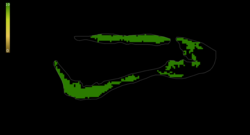
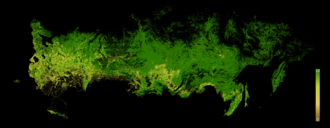
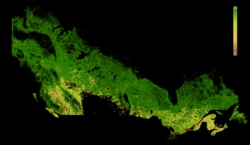
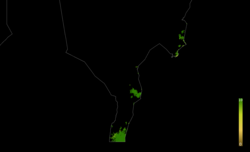
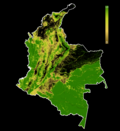
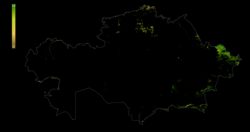
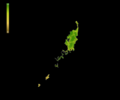
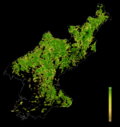
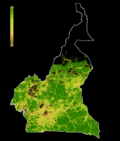
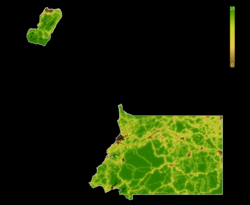
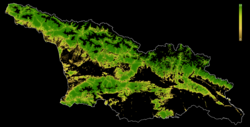
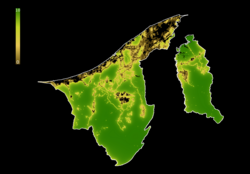
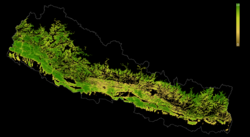
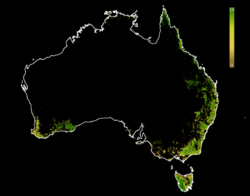
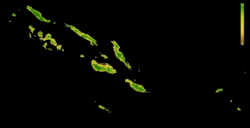
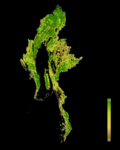
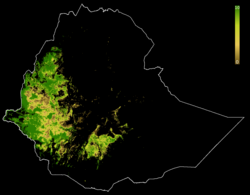
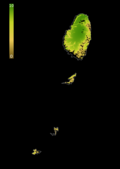
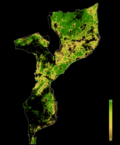
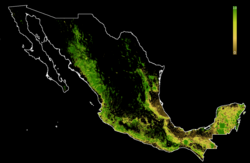
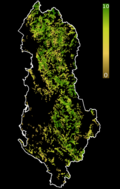
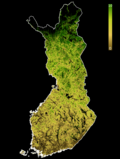
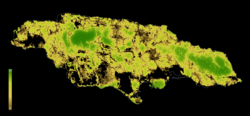
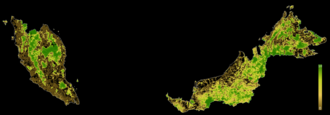
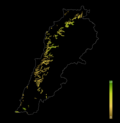
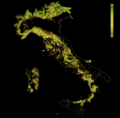
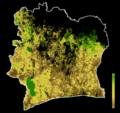
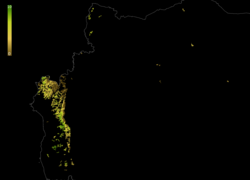
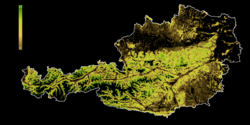
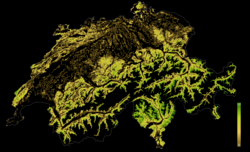
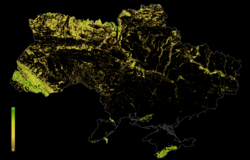
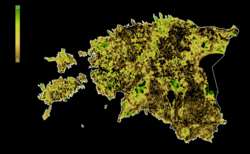
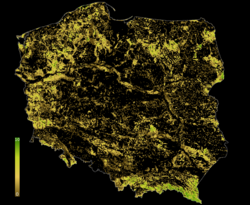
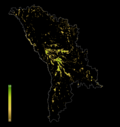
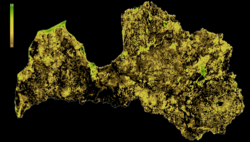
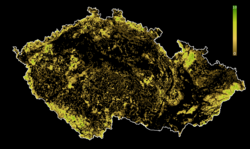
Led by the Wildlife Conservation Society, an international research team created this index to provide a continuous score for every ~300-meter forest pixel on Earth. The scale ranges from 0 (most modified) to 10 (least modified), offering a sophisticated way to measure how much of a forest's natural state remains intact.
Key Facts
- Global Score: The global mean FLII score is 7.76.
- Human Impact: Approximately 91.2% of the world's remaining forests are affected by some level of human pressure.
- High Integrity Areas: Only 40.5% of the world's forest area is classified as high integrity (FLII ≥ 9.6).
- Concentration: Russia and Canada together contain about half of the global high-integrity forest area.
- Protected Areas: While 56% of forests within protected areas are high integrity, only about 27% of all high-integrity forest area falls within nationally designated protected zones.
How the FLII is Calculated
Forest Extent and Baseline
To establish a baseline, the study used a forest extent layer representing the state of forests at the start of 2019. For this index, forest is defined as woody vegetation taller than 5 meters with at least 20% canopy cover. The researchers mapped this by taking global tree-cover estimates from the year 2000 and subtracting the tree-cover loss recorded between 2001 and 2018.
Measuring Pressures and Connectivity
The index does not just look at where trees are; it looks at how they are connected and how much pressure they face. It integrates spatial data regarding observed and inferred human pressures, as well as connectivity loss—the breaking up of continuous forest into smaller, isolated patches.
Scoring and Classification
While the FLII provides a continuous score from 0 to 10, it is often grouped into three illustrative classes for easier reporting and policy discussion:
- High Integrity: FLII ≥ 9.6
- Medium Integrity: FLII > 6.0 and < 9.6
- Low Integrity: FLII ≤ 6.0
Global Forest Condition in 2019
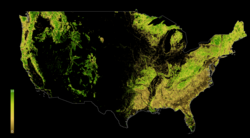
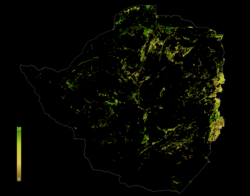
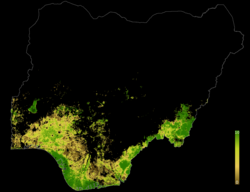
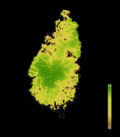
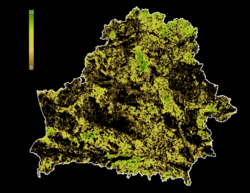
The 2019 global map revealed a significant impact of human presence on the planet's greenery. While the global mean score was 7.76, the distribution of forest integrity was highly uneven across the globe.
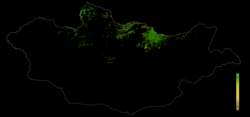
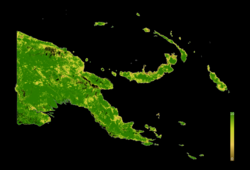
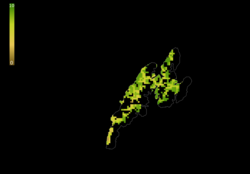
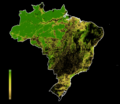
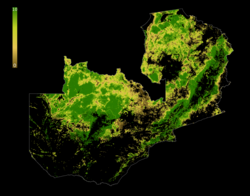
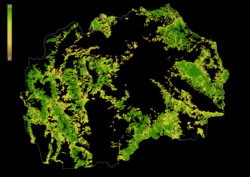
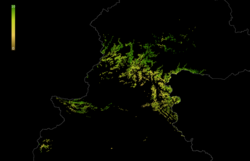
High-integrity forests are primarily concentrated in the boreal regions (high-latitude forests) of Russia and Canada, as well as in massive tropical forest blocks like the Amazon, Central Africa, and New Guinea. Conversely, 25.6% of the world's forest area (about 11 million km²) was classified as low integrity.
Summary of Global Forest Integrity Classes
| Integrity Class | FLII Threshold | Percentage of Forest Area | Estimated Area (million km²) |
|---|---|---|---|
| High | ≥ 9.6 | 40.5% | 17.4 |
| Medium | > 6.0 and < 9.6 | 33.9% | 14.6 |
| Low | ≤ 6.0 | 25.6% | 11.0 |
Applications in Policy and Research
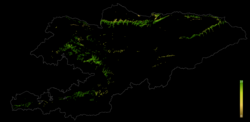
The FLII has become a vital tool for international conservation efforts. It is used as a complementary indicator for monitoring ecosystem integrity and restoration under the Kunming-Montreal Global Biodiversity Framework.
Policy and Standards
Various international bodies utilize the FLII for tracking and setting standards:
- World Resources Institute: Uses FLII in its Global Forest Review to measure forest degradation.
- Forest Declaration Assessment: Includes "FLII units lost per year" to track progress toward international forest goals.
- European Commission: Incorporates a Forest Landscape Integrity layer into its Global Forest Types 2020 map.
- HIFOR Methodology: Uses FLII thresholds to determine eligibility for "high integrity" forest areas in monitoring frameworks.
Scientific Research
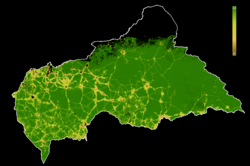
Researchers employ the index to study the effectiveness of different conservation models. For instance, studies have compared forest integrity across protected areas and Indigenous peoples' lands. Additionally, organizations like BirdLife International use FLII to monitor the condition of Key Biodiversity Areas (KBAs)—sites that are critical for the survival of many species.
Country Rankings: A Snapshot
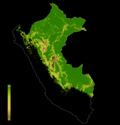
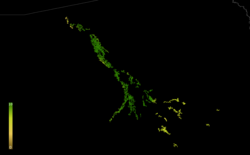
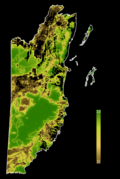
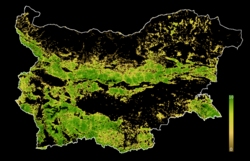
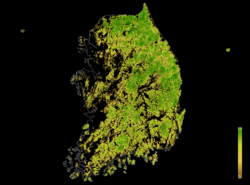
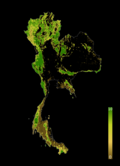
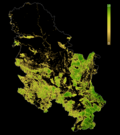
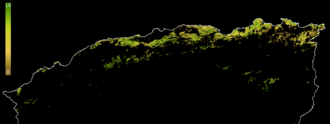
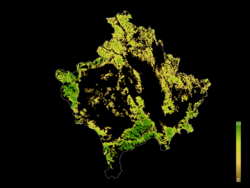
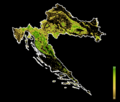
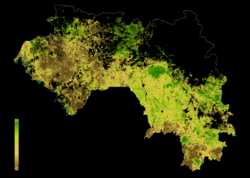
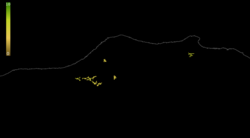
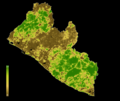
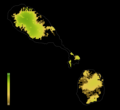
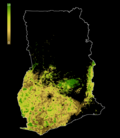
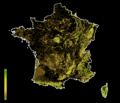
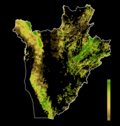
The study ranked 172 countries based on their mean FLII. While some nations maintain nearly pristine forests, others show significant modification.
| Country | Mean FLII | High Integrity (km²) | Total Forest Area (km²) |
|---|---|---|---|
| Seychelles | 10.00 | 68 | 68 |
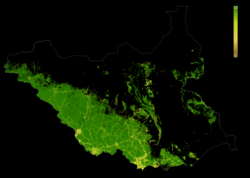
| Sudan | 9.80 | 495 | 569 |
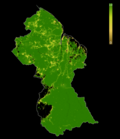
| Guyana | 9.58 | 147,413 | 192,391 |
| Russia | 9.02 | 5,137,079 | 8,121,843 |
| Canada | 8.99 | 2,968,268 | 4,475,860 |
| Brazil | 7.52 | 2,338,101 | 5,067,963 |
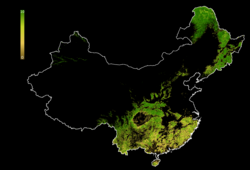
| China | 7.14 | 301,051 | 1,809,282 |
| United States | 6.65 | 658,645 | 3,131,417 |
| Thailand | 6.00 | 33,612 | 209,214 |
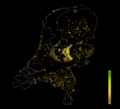
| Netherlands | 0.60 | 0 | 5,322 |
Frequently Asked Questions
What exactly does a high FLII score mean?
A high score (closer to 10) indicates that a forest has very little human-induced modification. These forests have high connectivity and low levels of observed or inferred human pressure, meaning they function much like natural, undisturbed ecosystems.
How does the index define a "forest"?
In this study, a forest is defined as woody vegetation that is taller than 5 meters and has a canopy cover of at least 20%.
Is a protected area always a high-integrity forest?
Not necessarily. While 56% of forests within protected areas are classified as high integrity, the data shows that many protected areas still contain forests that have been modified by human activity.
Why is forest connectivity important for integrity?
Connectivity refers to the ability of species and natural processes to move through a continuous landscape. When forests are fragmented (broken into small pieces), it is harder for wildlife to migrate, find food, or maintain genetic diversity, which lowers the overall integrity of the ecosystem.
Can the FLII be updated?
Yes. The researchers noted that the approach can be updated as new global datasets become available, potentially on an annual basis.