Football Manager: Roles, Responsibilities, and Impact
In the world of association football, the manager is the individual entrusted with the overall responsibility for the operation and success of a football team. While the players are the face of the game on the pitch, the manager acts as the architect behind the scenes, balancing tactical brilliance with administrative leadership.
In professional settings, a manager is typically appointed by and reports to the club's board of directors. However, at the amateur level, the scope of the role often expands, with the manager potentially holding total responsibility for the entire running of the club.
Key Facts
- Managers oversee team selection, tactical planning, and player recruitment.
- Professional managers report to a board of directors, while amateur managers may run the entire club.
- Responsibilities are often shared with a director of football or a sporting director.
- The role encompasses both on-field strategy and off-field media relations.
Core Managerial Responsibilities
The duties of a professional football manager are wide-ranging, blending the roles of a strategist, a psychologist, and an executive. Their primary focus is ensuring the team performs at its peak during competitive matches.
Tactics and Match Day Management
A manager is responsible for selecting the starting lineup and determining the formation—the strategic positioning of players on the pitch. Beyond the initial setup, they plan the overall strategy and provide real-time instructions to players during the game to adapt to the opponent's movements. Motivation is also a critical component, as managers must inspire their squad both before and during the match.
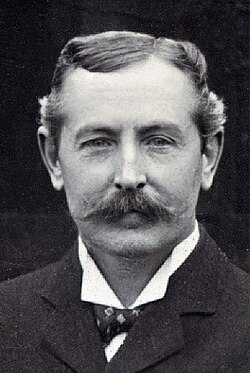
![Alex Ferguson is the winner of the most English Manager of the Year awards, all won during his tenure as manager of Manchester United. He is the UEFA coaching ambassador.[1][2]](/images/e8/9a/e89afff5ea9ba770ce739919d90f06d26e23789e05580e6e5ac5208e7f090ad2.jpg)
Squad Development and Recruitment
Building a winning team requires a constant eye for talent. Managers are involved in scouting young, talented players for the reserves or the youth academy to ensure long-term growth. They also navigate the transfer market, managing the buying and selling of players, as well as coordinating loan deals to strengthen the squad.
Staff Coordination and Media
No manager works alone. They delegate specific duties to the first-team coach, medical staff, and other coaching personnel. Additionally, the manager serves as the public face of the club, handling the pressure of pre-match and post-match media interviews.
Organizational Variations
Depending on the size and structure of the club, the manager's workload may vary. In many modern professional clubs, duties are shared with a director of football or a sporting director, who may handle more of the long-term administrative and recruitment tasks, allowing the manager to focus on coaching.
In smaller clubs, the manager's role often extends into the business side of the organization. This can include marketing the club to increase ticket admissions, securing sponsorships, managing merchandising, and ensuring the club remains profitable by growing its turnover.
| Category | Key Duties | Common Collaborators |
|---|---|---|
| Technical | Team selection, formation, and match strategy | First team coach, Assistant manager |
| Personnel | Recruitment, scouting, and contract negotiations | Director of Football, Sporting Director |
| Operational | Staff delegation and medical coordination | Medical staff, Coaching staff |
| Public Relations | Media interviews and club marketing | Board of Directors, Press |
Frequently Asked Questions
Who does a professional football manager report to?
In a professional environment, the manager is usually appointed by and answerable to the club's board of directors.
What is the difference between a manager and a head coach?
While often used interchangeably, a manager typically has broader responsibilities including recruitment and administration, whereas a head coach may focus more specifically on training and match-day tactics.
Do all managers handle player transfers?
Not necessarily. In some clubs, these responsibilities are shared with or delegated to a sporting director or a director of football.
What additional duties do managers of small clubs have?
Managers of smaller clubs often handle business operations, such as increasing ticket sales, managing sponsorships, and ensuring the club's overall profitability.
How does the role differ at the amateur level?
At the amateur level, a manager may have total responsibility for the entire running of the club, rather than just the sporting side.