Football Kit: The Evolution of the Beautiful Game's Attire
In association football, a kit (also known as a strip or uniform) is the standard equipment and attire worn by players during a match. Far from being mere clothing, the kit is governed by specific rules to ensure player safety and clear identification on the pitch. While the basic requirements are set by the sport's overarching laws, individual competitions often add their own restrictions regarding logo sizes and color clashes.
The primary purpose of the kit is to distinguish participants. The laws state that the two competing teams must wear colors that distinguish them from each other, as well as from the referee and assistant referees. When two teams have similar primary colors, the away team typically changes to a different set of attire to avoid a clash.

Key Facts
- Mandatory Gear: Basic requirements include a shirt with sleeves, shorts, socks, shinguards, and boots.
- Color Clashes: Teams use "away kits" or "third kits" when their primary colors are too similar to the opponent's.
- Goalkeeper Distinction: Since 1909, goalkeepers have been required to wear colors different from their teammates.
- Numbering: Modern professional football has shifted from position-based numbering (1–11) to fixed squad numbering for the season.
- Safety First: Rules prohibit any equipment that could be dangerous to the wearer or other players.
The Components of a Modern Kit
Basic Equipment
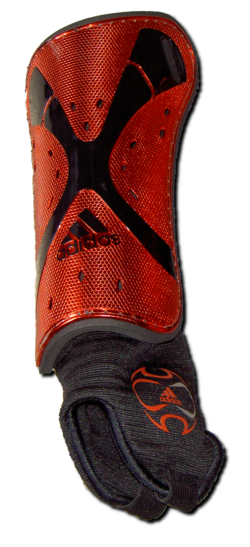
The standard outfield kit consists of a jersey, shorts, and socks. To protect the lower legs, shin pads are compulsory and must be covered by the socks.
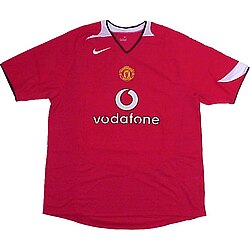
While most teams wear a primary "home" kit, they also maintain an "away kit" for matches where colors clash. Some professional clubs employ a "third kit" as an additional alternative. Interestingly, some teams choose their away colors for sentimental or strategic reasons; for example, the England national team occasionally wears red shirts to evoke the spirit of their 1966 FIFA World Cup victory.
Footwear and Specialized Gear
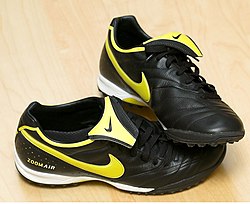
Footwear has evolved from heavy leather to specialized designs. Modern players use boots tailored to the surface, such as turf shoes designed for hard artificial turf or sand.
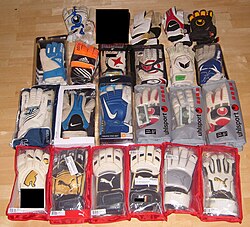
Goalkeepers require specialized equipment, most notably gloves to assist in handling the ball and protecting the hands.
Officials' Attire
Match officials must also be clearly distinguishable from the players. Historically, this has often meant a black strip, though modern variations exist.

The History and Evolution of the Kit
The Victorian and Early 20th Century Era
In the early days of the sport, kits were far more cumbersome. Players wore thick cotton shirts, knickerbockers, and heavy, rigid leather boots. In the late 19th century, some rules even required colored caps for identification.
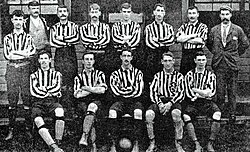
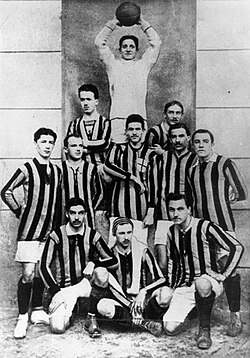
A significant change occurred in 1904 when the Football Association allowed knickerbockers to be shorter, moving away from the requirement that they cover the knees. By the early 20th century, these became known as "shorts." During this time, goalkeepers began wearing different colors to help referees identify them in a crowd of players. Initially limited to scarlet or royal blue, green was added in 1912 and quickly became the standard choice for goalkeepers, who often wore heavy woollen jumpers.
The Mid-Century and Modern Era
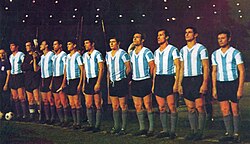
By the 1960s, kits became more streamlined. The national team of Argentina, for instance, showcased the typical style of the early 1960s with simpler designs and lighter materials.
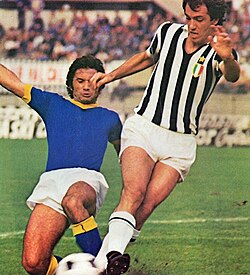
From the mid-1960s to the early 1990s, "short shorts" became the fashion norm before transitioning back to a longer, baggier fit. Simultaneously, advances in synthetic fibers allowed for lighter, more breathable fabrics and more complex, colorful designs.
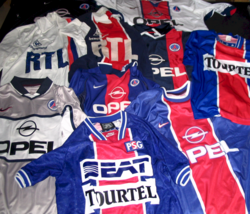
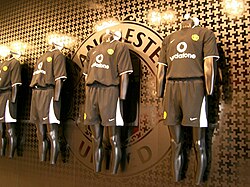
The modern era saw the rise of commercialization. Sponsored shirts became the norm, with corporate logos appearing on jerseys to generate revenue for clubs. This also led to the creation of replica strips, allowing fans to purchase the same attire worn by their favorite players.
Kit Summary Table
| Feature | Early Era (Victorian/Early 1900s) | Modern Era |
|---|---|---|
| Materials | Thick cotton, heavy wool | Lightweight synthetic fibers |
| Shorts | Knickerbockers (knee-length) | Varying lengths (short to baggy) |
| Boots | Heavy, rigid leather | Lightweight, surface-specific |
| Numbering | Position-based (1–11) | Fixed squad numbering |
| Commercials | None | Sponsor logos and replicas |
Frequently Asked Questions
Why do some teams have three different kits?
Teams have a home kit and an away kit to prevent color clashes. A third kit is used as a backup if both the home and away colors are too similar to the opponent's attire.
Is it mandatory for all players to wear the same color?
Yes, generally all outfield players on a team must wear the same colors to distinguish them from the opposing team and the match officials.
Why does the goalkeeper wear a different color?
This rule was introduced in 1909 to help referees easily identify the goalkeeper among the other players during the match.
What is the difference between position numbering and squad numbering?
Position numbering assigns numbers 1 through 11 based on the player's role on the pitch. Squad numbering assigns a unique, fixed number to each player for the entire season, regardless of their specific position in a single game.
What equipment is strictly compulsory for every player?
According to the laws of the game, players must wear a shirt with sleeves, shorts, socks, shinguards (covered by socks), and boots.