Food Industry: The Global Network Powering Human Nutrition
The modern food industry is a vast and intricate global network of businesses responsible for supplying the majority of the food consumed by the world's population. This system has evolved into a highly diversified sector, spanning from small-scale, labor-intensive family operations to massive, capital-intensive industrial processes. While some sectors remain deeply rooted in local agriculture and fishing, the overarching system is a complex web of production, processing, and distribution.
The scale of this industry is so pervasive that only hunter-gatherers and subsistence farmers—those who survive solely on what they grow—exist outside its scope. In recent years, the most dominant corporations within this system have been termed Big Food, a phrase coined by writer Neil Hamilton to describe the concentrated corporate power in the global food supply.
Key Facts
- Global Reach: Terrestrial agriculture produces approximately 83% of the food consumed by humans.
- Economic Paradox: One in three people worldwide work in agriculture, yet it contributes only 3% to the global GDP.
- Environmental Impact: The food industry produces nearly 19 times more carbon dioxide annually than commercial aviation.
- Climate Contribution: Global agricultural production accounts for 14% to 28% of global greenhouse gas emissions.
- Labor Shift: In the US, agricultural employment dropped from 70–80% of the population in 1870 to less than 2% by 2021.
The Components of the Food System
The food industry is not a single entity but a collection of interconnected sectors that move a product from the earth to the consumer's plate.
Production and Processing
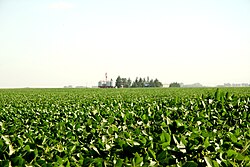
At its foundation is agriculture, the cultivation of plants and raising of livestock. This includes terrestrial farming, aquaculture (cultivating aquatic organisms like shrimp and fish in controlled environments), and wild fishing. Most industrial food originates from commodity crops grown via conventional practices.
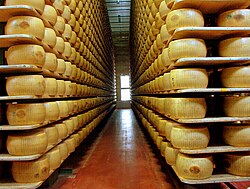
Following production is food processing, which involves preparing fresh products for the market and manufacturing prepared food items. This stage transforms raw materials into the packaged goods found in modern stores.
Distribution and Retail
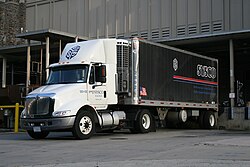
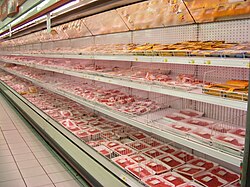
The logistics of the food industry encompass wholesale, warehousing, and transportation. As urbanization has increased, the distance between production and consumption has grown. The 20th century saw the rise of the supermarket as the primary retail hub, while the 21st century has introduced online grocery stores and digital platforms for community-supported agriculture, allowing farmers to sell directly to consumers.

Supporting Sectors
Beyond the physical product, the industry relies on several critical support systems:
- Marketing: Advertising and packaging that inform (and influence) consumer choices.
- Regulation: Local and international rules ensuring food safety, quality, and security.
- Research and Development: The application of food science, microbiology, and chemistry to improve products.
- Financial Services: Providing the necessary credit and insurance for large-scale operations.
Technological Evolution in Food Production
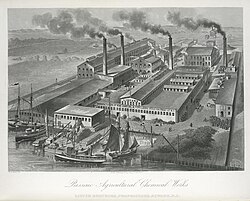
Modern food production is defined by sophisticated technology that has largely replaced human labor. The introduction of the tractor revolutionized the field, and today, biotechnology drives advancements in plant breeding and agrochemicals.
Current innovations are further transforming the industry through:
- Artificial Intelligence (AI): Used to analyze massive datasets to identify trends, optimize processes, and enhance food safety.
- 3D Printing: Enabling the creation of custom food products with complex designs impossible via traditional manufacturing.
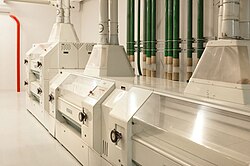
- Automation: Robotics and smart farming are increasing efficiency in both the field and the factory.
Environmental and Social Impact
The industrialization of food has come with significant environmental costs. Conventional practices, particularly the use of nitrogen fertilizers and poor land management, contribute heavily to global warming.
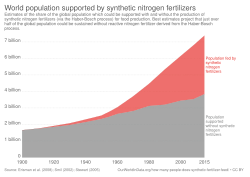
Reports from 2020 indicate that reducing emissions from the global food system is essential to meeting the Paris Agreement's climate goals. Without significant changes in consumption patterns and production, emissions could increase by 30–40% by 2050. The estimated environmental cost of food production is currently around $12 trillion per year, projected to reach $16 trillion by 2050.
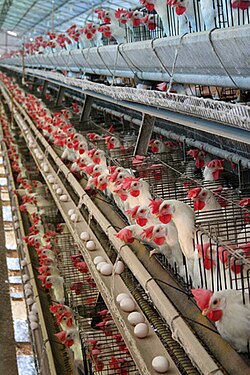
Critics of the industry have highlighted these issues through various media, including the 1906 novel The Jungle by Upton Sinclair, which exposed unsanitary meatpacking practices, and modern documentaries such as Food, Inc. and Super Size Me.
Industry Summary Table
| Sector | Primary Activities | Key Drivers/Technologies |
|---|---|---|
| Agriculture | Crop cultivation, livestock, aquaculture, fishing | Biotechnology, Smart Farming, Tractors |
| Processing | Preparation of fresh goods, manufacturing | Automation, Robotics, Food Chemistry |
| Distribution | Logistics, warehousing, transportation | Blockchain, Cold Chain Logistics |
| Retail | Supermarkets, farmers' markets, e-commerce | Digital Platforms, Urbanization |
| Regulation | Safety standards, quality control, lobbying | International Law, Food Science |
Frequently Asked Questions
What is "Big Food"?
Big Food is a term coined by writer Neil Hamilton to describe the dominant, large-scale corporations that control significant portions of the global food industry.
How does the food industry affect climate change?
The industry is a major contributor to global warming, producing 14% to 28% of global greenhouse gas emissions, largely due to conventional agricultural practices and nitrogen fertilizers.
What is the difference between aquaculture and fishing?
Aquaculture is the cultivation of aquatic organisms (like fish or mollusks) in controlled environments such as tanks or ponds, whereas fishing involves harvesting wild species from natural bodies of water.
How has agricultural employment changed over time?
Agriculture has shifted from being highly labor-intensive to highly mechanized. For example, in the United States, employment in agriculture dropped from 70–80% of the population in 1870 to less than 2% by 2021.
Can the food system be made sustainable?
Yes. Reports from the IPCC and the EU suggest that shifting toward sustainable diets and adapting the food system to reduce emissions is feasible and necessary to meet global climate goals.