Flushing, Queens: A Vibrant Hub of History and Multiculturalism
Located in the heart of the borough of Queens, Flushing is one of New York City's most dynamic and diverse neighborhoods. Founded in 1645 and named after Vlissingen in the Netherlands, this area has evolved from a colonial Dutch and English settlement into a global crossroads. Today, it serves as a primary commercial and cultural center, renowned for its bustling streetscapes and deep ethnic roots.
The neighborhood's transformation is most evident in its demographics. As of 2010, the total population stood at 72,008 (increasing to 176,000 when including subsections), with a significant Asian majority comprising 69.2% of the residents. This multicultural tapestry is reflected in the neighborhood's architecture, language, and world-class culinary scene.
Key Facts
- Founded: 1645; incorporated as a town from 1683 to 1898.
- Demographics: Predominantly Asian (69.2%), followed by Hispanic (14.9%) and White (9.5%) populations.
- Major Hub: Home to a massive Chinatown and various other ethnic enclaves.
- Connectivity: Served by the IRT Flushing Line (7 train), LIRR, and extensive MTA bus networks.
- Notable Residents: Former home to figures such as F. Scott Fitzgerald, Martin Scorsese, and Nancy Reagan.
A Journey Through History
Colonial Roots and Early Development
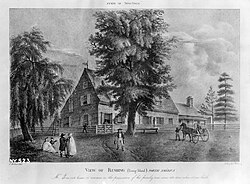
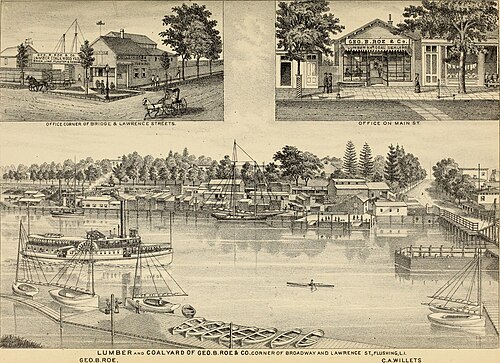
Flushing's origins date back to the 17th century, beginning as a Dutch colony before transitioning to English rule. The area's early history is marked by its role as a town for over a century. Historic sites like the Old Flushing Burial Ground serve as reminders of the community's 17th and 18th-century foundations.
Urbanization and the 20th Century
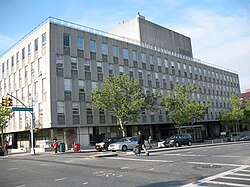
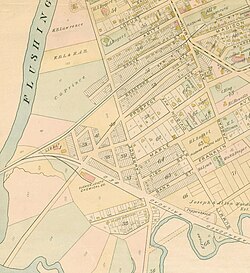
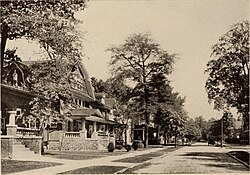
The early 20th century brought rapid development and infrastructure growth. The arrival of the subway and the expansion of the street grid transformed Flushing into a suburban center for New York City. By the late 1800s and early 1900s, the area had established a distinct identity as a residential and commercial hub.
The Modern Transformation
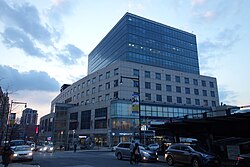
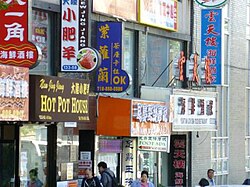
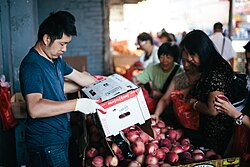
In the latter half of the 20th century and into the 21st, Flushing underwent a dramatic demographic shift. Increased Asian immigration led to the creation of a thriving Chinatown, which has become one of the most significant Chinese commercial districts in the United States. This evolution has turned the intersection of Main Street and Roosevelt Avenue into a focal point of international commerce.
Cultural Enclaves and Community
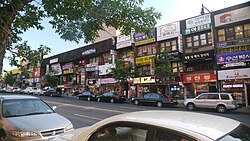
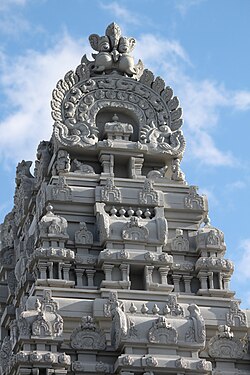
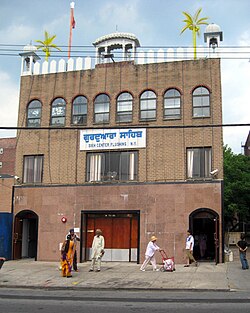
While Chinatown is the most prominent, Flushing is a mosaic of various ethnic communities. The neighborhood hosts a wide array of cultural and religious centers, including a vibrant Koreatown and diverse houses of worship that reflect the global nature of its population.
Neighborhood Subsections
Flushing is composed of several distinct subsections, each contributing to the overall character of the area:
- Broadway–Flushing
- Linden Hill
- Murray Hill
- Pomonok
- Queensboro Hill
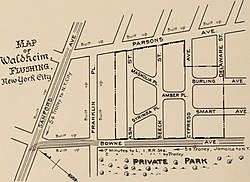
- Waldheim
Infrastructure and Education
Transportation Hub
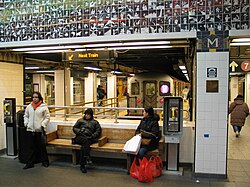
Flushing is one of the most accessible points in Queens. The IRT Flushing Line (7 and <7> trains) terminates at Flushing–Main Street, providing a direct link to Manhattan. Additionally, the Long Island Rail Road (LIRR) Port Washington Branch serves the area via stations at Broadway, Murray Hill, Flushing–Main Street, and Mets–Willets Point.
Education and Public Services
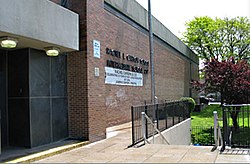
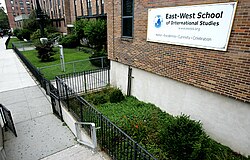
The neighborhood is well-equipped with educational institutions, ranging from public elementary schools like PS 20 John Bowne to specialized secondary schools such as the East-West School of International Studies. Higher education is represented by the presence of Queens College.
Libraries and Culture
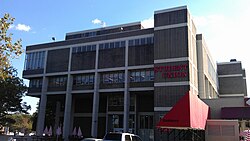
The Queens Public Library maintains a strong presence with several branches, including the main Flushing branch and others in East Flushing, McGoldrick, Mitchell-Linden, and Queensboro Hill.
Neighborhood Overview
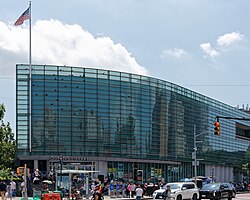
The following table summarizes the key demographic and administrative data for Flushing.
| Category | Detail |
|---|---|
| Founded | 1645 |
| Population (2010) | 72,008 (176,000 with subsections) |
| Primary Ethnicity | Asian (69.2%) |
| Median Income | $39,804 |
| ZIP Codes | 11354, 11355, 11358 |
| Community District | Queens 7 |
Frequently Asked Questions
What is the primary ethnic makeup of Flushing?
As of 2010, Flushing is predominantly Asian, making up 69.2% of the population, followed by Hispanic residents at 14.9% and White residents at 9.5%.
How do I get to Flushing using public transportation?
Flushing is easily accessible via the MTA's 7 train (IRT Flushing Line), which terminates at Flushing–Main Street, or via the Long Island Rail Road (LIRR) Port Washington Branch.
What are some of the notable landmarks in Flushing?
Key landmarks include the John Bowne House, the Fitzgerald-Ginsberg Mansion, and the massive Flushing Meadows-Corona Park.
Which famous people have lived in Flushing?
The neighborhood has been home to a wide array of talent, including director Martin Scorsese, novelist F. Scott Fitzgerald, composer John Williams, and actor David Schwimmer.
What are the main educational institutions in the area?
Flushing features numerous public schools, including John Bowne High School and the East-West School of International Studies, as well as higher education at Queens College.