Exploring Florence: The Cradle of the Renaissance
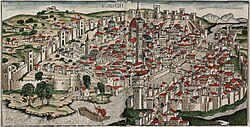
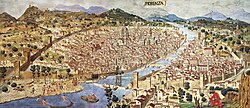
Florence, known locally as Firenze, is a city where history breathes through every cobblestone street and marble facade. Located in the heart of the Tuscany region in Italy, this metropolitan city serves as a living museum, preserving centuries of artistic, political, and scientific achievement. From its Roman origins to its role as the former capital of the Kingdom of Italy, Florence has shaped the course of Western civilization.
Key Facts
- Status: UNESCO World Heritage Site (Historic Centre of Florence).
- Population: Approximately 361,625 (2026 estimate).
- Patron Saint: John the Baptist (Feast day: 24 June).
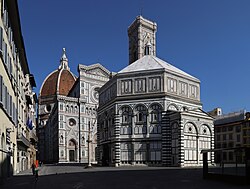
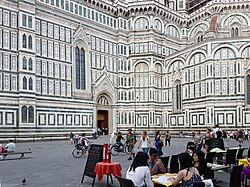
- Major Landmark: The Cathedral of Santa Maria del Fiore, featuring Brunelleschi's Dome.
- Economy: Driven heavily by international tourism and luxury fashion.
A Journey Through History

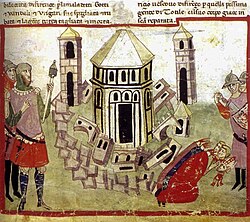
The history of Florence is a complex tapestry of power shifts and cultural rebirths. While its roots stretch back to Roman times, the city rose to global prominence during the Middle Ages and the Renaissance. This era saw the rise of the powerful Medici family, whose influence on art and politics was unparalleled.
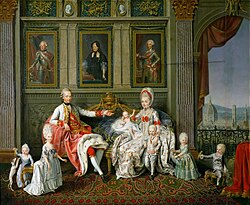
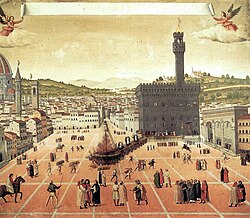
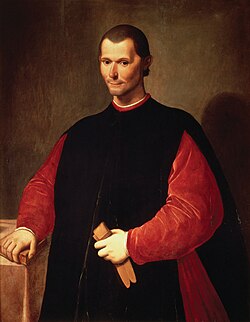
The city has also been a stage for intense religious and political drama. Figures such as the radical Christian reformist Girolamo Savonarola and the political philosopher Niccolò Machiavelli left indelible marks on the Florentine identity. In a significant political milestone, Florence served as the capital of the Kingdom of Italy from 1865 until 1871, when the capital was moved to Rome.
The Renaissance Legacy
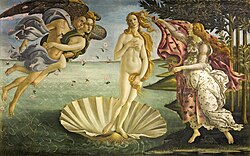
The Renaissance—a period of intense cultural and intellectual "rebirth"—found its epicenter here. The city became a magnet for the greatest minds in history, including polymaths like Leonardo da Vinci, sculptors like Michelangelo and Donatello, and painters such as Sandro Botticelli and Giotto. This concentration of talent transformed Florence into a global beacon of humanism and artistic excellence.
Geography and Climate
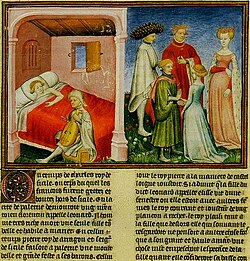
Situated at an elevation of 50 meters, Florence covers a total area of 102.32 km². The city experiences a Mediterranean-influenced climate, characterized by warm summers and cool winters. According to climate data from Florence Airport, July and August are typically the warmest months, with mean daily maximum temperatures reaching approximately 32°C (90°F).
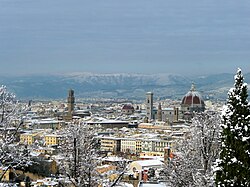
Seasonal Weather Patterns
While summers are sunny and dry, the autumn and winter months see increased precipitation. For instance, October and November are among the wettest months, with average precipitation levels rising significantly compared to the drier summer months.
| Month | Mean Daily Max (°C) | Mean Daily Min (°C) | Avg. Precipitation (mm) | Avg. Sunshine Hours |
|---|---|---|---|---|
| Jan | 11.2 | 2.1 | 58.1 | 3.0 |
| Apr | 20.0 | 8.1 | 67.2 | 6.0 |
| Jul | 32.3 | 18.4 | 24.6 | 10.0 |
| Oct | 21.5 | 10.9 | 105.1 | 5.0 |
Culture, Art, and Gastronomy
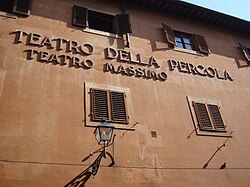
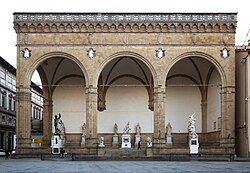
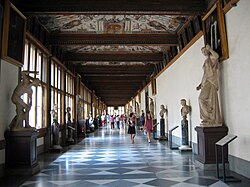
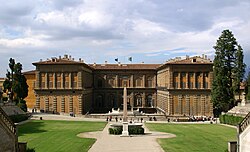
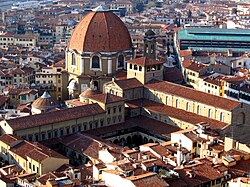
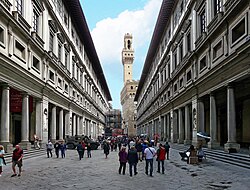
Florence is a sensory experience, blending high art with rich culinary traditions. The city's museums, most notably the Uffizi Gallery, house some of the world's most precious masterpieces. Beyond the galleries, the city's architecture—from the massive Cathedral of Santa Maria del Fiore to the elegant Palazzo Pitti—defines the skyline.
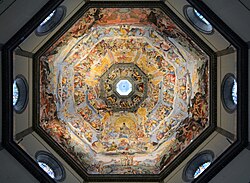
Living Traditions and Modern Life
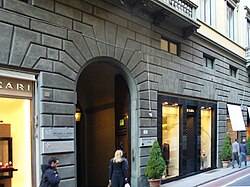
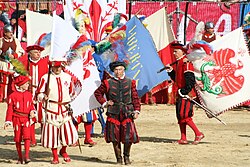
Culture in Florence is not just found in museums; it is lived in the streets. Historical evocations like Calcio Storico (an ancient form of football) and the Scoppio del Carro (an explosive Easter tradition) keep the city's heritage vibrant. Modern Florence is also a hub for fashion, with luxury boutiques lining the prestigious Via de' Tornabuoni.
Tourism and Economy
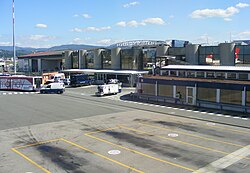
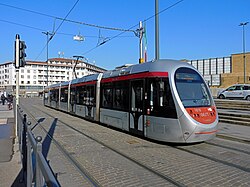
Tourism is a cornerstone of the Florentine economy. In 2014, the city recorded 8.5 million overnight stays. The city's infrastructure, including the Florence Airport and the Tramway Sirio, supports a massive influx of international visitors, many of whom come to explore the world-renowned art and dining scenes.
Notable Figures of Florence
The city has been home to an extraordinary array of thinkers, creators, and leaders. This list includes:
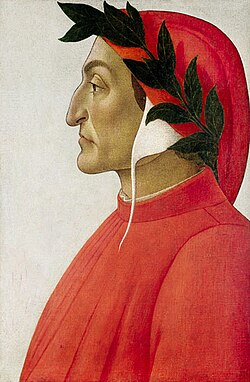
- Dante Alighieri: The legendary poet.
- Galileo Galilei: The father of modern observational astronomy.
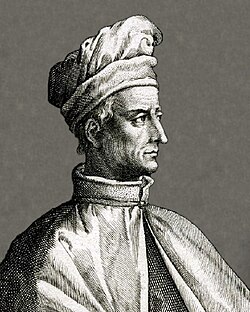
- Amerigo Vespucci: The explorer for whom the Americas are named.
- Guccio Gucci: The founder of the iconic fashion label.
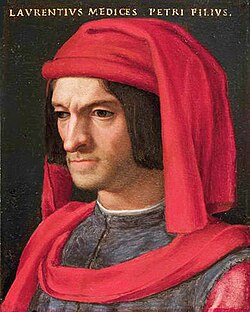
- Lorenzo de' Medici: A key patron of the Renaissance.
Frequently Asked Questions
What is the most famous landmark in Florence?
While there are many, the Cathedral of Santa Maria del Fiore, famous for its massive dome designed by Filippo Brunelleschi, is one of the most iconic symbols of the city.
Is Florence a UNESCO World Heritage site?
Yes, the Historic Centre of Florence was inscribed as a UNESCO World Heritage Site in 1982.
What is the best time to visit Florence?
The best time depends on your preference, but the summer months (June–August) offer the most sunshine, while the spring and autumn months provide more moderate temperatures.
How do I get around Florence?
Florence offers several transportation options, including a public tramway system, buses, and is well-connected via its main railway station.
What should I eat when visiting Florence?
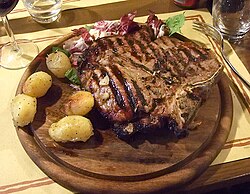
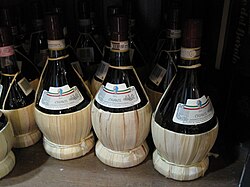
Florentine cuisine is famous for its local ingredients, including Florentine steak and Chianti wine.