First Language and the Concept of the Mother Tongue
A first language (L1), often referred to as a native language or mother tongue, is the primary language a person is exposed to from birth or during the critical period of early childhood. Beyond simple communication, a child's first language is deeply intertwined with their personal, social, and cultural identity, shaping how they reflect on and learn successful social patterns of behavior and speech.
While non-native speakers can achieve fluency in a target language after approximately two years of immersion, research indicates it may take between five and seven years for such learners to reach the same working proficiency as native speakers.
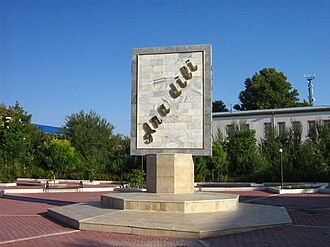
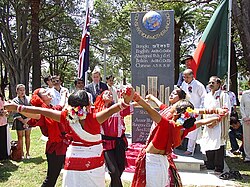
Recognizing the global importance of linguistic heritage, UNESCO designated 21 February as International Mother Language Day on 17 November 1999.
Key Facts
- L1 Definition: The first language acquired from birth or within the critical period.
- Native Fluency: Generally required to claim a language as a mother tongue.
- Acquisition Gap: Non-native speakers may need 5-7 years to match the working level of native peers.
- UNESCO Recognition: International Mother Language Day is observed every February 21.
- Cultural Variance: In some regions, "mother tongue" refers to ethnic identity rather than the first language spoken.
Defining the "Native Speaker"
A native speaker is typically defined as someone born into and immersed in a language during youth, usually within a family where adults shared a similar linguistic experience. Because they acquire the language naturally through personal interaction rather than formal study later in life, native speakers are often viewed as authorities on the language.
Interestingly, native speakers may not be able to articulate every formal grammatical rule, but they possess a strong intuition—an innate sense of what sounds correct based on lifelong experience.
Criteria for Native Speaker Status
According to the Asian EFL Journal, language experts generally accept six principles to define a native speaker:
- Acquisition of the language in early childhood with maintained use.
- Possession of intuitive knowledge of the language.
- Ability to produce fluent, spontaneous discourse.
- Communicative competence across various social contexts.
- Identification with, or by, a specific language community.
- Absence of a foreign accent.
The Complexity of "Native Language"
The term "native language" is often imprecise and subject to linguistic bias, particularly for children from ethnic minority groups. Depending on the context, the definition can shift based on several different criteria:
| Basis of Definition | Description |
|---|---|
| Origin | The language or dialect learned first. |
| Internal Identification | The language the speaker identifies with. |
| External Identification | The language others associate with the speaker. |
| Competence | The language the individual knows best. |
| Function | The language used most frequently. |
| Nationhood | The dominant language of the inhabitant majority in an area. |
In countries like India, Kenya, Belarus, Ukraine, and various East Asian and Central Asian nations, "mother tongue" often refers to the language of one's ethnic group regardless of whether it was the first language learned. Similarly, in Singapore, the term is used to denote ethnic language regardless of actual proficiency.
Alternative Perspectives
Different institutions and scholars offer unique takes on the term. Statistics Canada defines mother tongue as the first language learned at home in childhood that is still understood at the time of a census. This acknowledges language attrition, where a person may lose their first language over time.
Historically, Ivan Illich noted that Catholic monks used "mother tongue" to describe vernacular languages used in preaching instead of Latin. J.R.R. Tolkien further distinguished between the "cradle tongue" (learned in early childhood) and the "native tongue," which he suggested could be determined by an inherited linguistic taste or emotional affinity discovered later in life.
Bilingualism and Multilingualism
Children raised with multiple languages can have more than one native language, making them native bilinguals or multilinguals. It is important to note that the order of acquisition does not always dictate the level of proficiency; for example, a child born to French parents but raised in an English-speaking country may become more proficient in English.
Balanced Bilinguals
A "balanced bilingual" is someone completely fluent in two languages to the point where neither feels more "native" than the other. Research by Peal and Lambert found that balanced bilinguals exhibit specific cognitive advantages:
- Higher performance in tasks requiring mental flexibility.
- A greater awareness of the arbitrary nature of language.
- A tendency to make word associations based on logic rather than phonetics.
Frequently Asked Questions
What is the difference between a first language and a mother tongue?
While often used interchangeably, a first language (L1) is technically the first language a person is exposed to from birth. A "mother tongue" can sometimes refer more broadly to the language of one's ethnic heritage, regardless of whether it was the first language spoken.
Can a person have more than one native language?
Yes. Children raised in multilingual environments can be native bilinguals or multilinguals, acquiring multiple languages simultaneously or in close succession during their early childhood.
Do native speakers know all the grammar rules of their language?
Not necessarily. While they may lack formal knowledge of specific grammatical terminology or rules, they possess a natural intuition that allows them to communicate fluently and recognize errors.
What is language attrition?
Language attrition occurs when a person loses proficiency in a language they previously acquired, such as a child who learns a mother tongue at home but loses it after moving to an environment where a different dominant language is spoken.
How long does it take for a non-native speaker to reach native-level proficiency?
While fluency can be developed in about two years of immersion, research suggests it can take between five and seven years for a child to reach the same working level as their native-speaking peers.