Field Marshal Lord Kitchener: The Architect of Empire and War
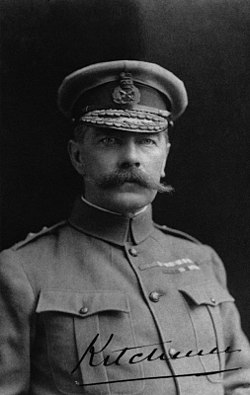
Field Marshal Horatio Herbert Kitchener, 1st Earl Kitchener, was one of the most prominent figures of the British Empire. A distinguished army officer and colonial administrator, Kitchener's career spanned the height of British imperial expansion, from the deserts of Sudan to the trenches of the First World War. Known to many by the nickname "Kitch," he became a symbol of British resolve and military authority during a period of global upheaval.
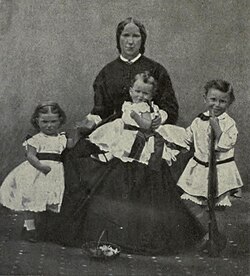
Born on June 24, 1850, at Gunsborough Villa in County Kerry, Ireland, Kitchener was the son of army officer Henry Horatio Kitchener and Frances Anne Chevallier. His early life was steeped in military tradition, which paved the way for his commissioning into the Royal Engineers on January 4, 1871.
Early Career and Surveying Work
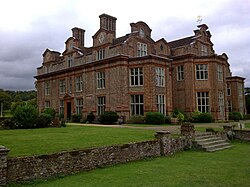
Kitchener's early professional life was defined by his technical expertise. Serving as a surveyor in Palestine, Egypt, and Cyprus, he mastered Arabic and produced highly detailed topographical maps. His work in western Palestine was particularly significant, as it provided the foundational grid system still used in modern maps of Israel and Palestine.
However, his early career was not without friction. He was once reprimanded by the Duke of Cambridge, the commander-in-chief, because his service in France was deemed a violation of British neutrality.
Rise to Power in Egypt and Sudan
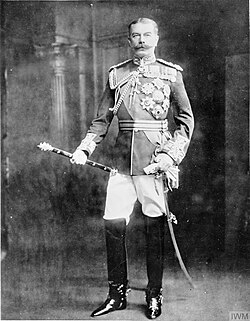
Kitchener's ascent within the military hierarchy accelerated in Egypt. By April 1892, he had been appointed Sirdar (commander-in-chief) of the Egyptian Army. His leadership during this period was marked by both military success and administrative reorganization.
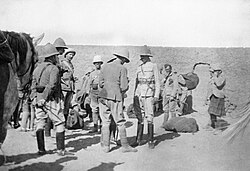
His most famous imperial achievement came in Sudan, where he served as Governor from September 1898 to December 1899. His campaigns in the region earned him the title Earl Kitchener of Khartoum, cementing his reputation as a formidable imperial strategist.
The Second Boer War and India
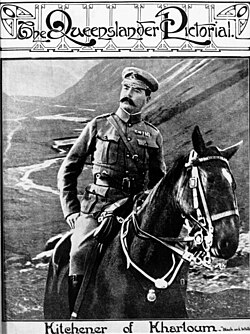
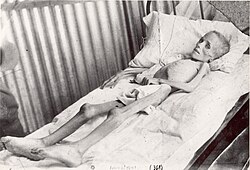
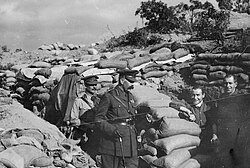
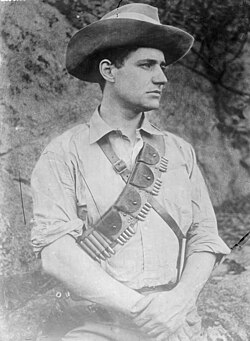
In December 1899, Kitchener arrived in South Africa during the Second Boer War. Serving as chief of staff and effectively second-in-command to Field Marshal Lord Roberts, he was involved in the relief of Kimberley and the Battle of Paardeberg. While he was praised by Roberts for his counsel, his counterinsurgency tactics remain a subject of historical debate, particularly regarding the imprisonment of civilians in concentration camps.
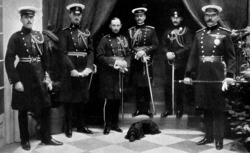
Following his service in South Africa, Kitchener was appointed Commander-in-Chief, India (1902–1909). During his tenure, he focused on military modernization and founded the Indian Staff College at Quetta, an institution that continues to exist today as the Pakistan Command and Staff College.
The First World War and the "Your Country Needs You" Legacy
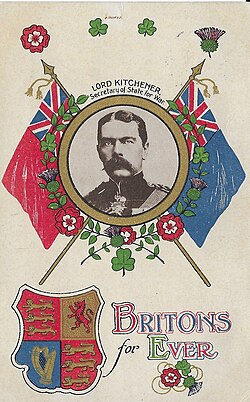
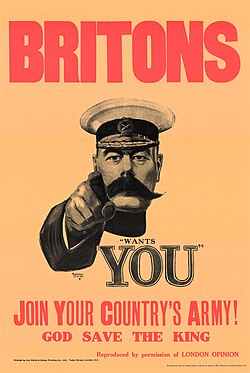
At the outbreak of the First World War in August 1914, Prime Minister H. H. Asquith appointed Kitchener as the Secretary of State for War. Kitchener became the face of the British war effort, most notably through the iconic recruiting poster featuring his stern gaze and the words "Your Country Needs You."
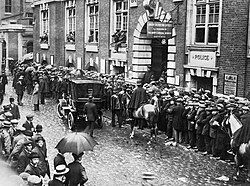
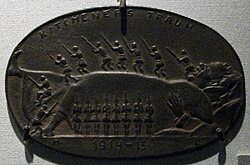
Under his leadership, the "New Armies" were raised, creating a massive volunteer force to meet Britain's continental commitments. Despite his success in mobilization, his strategic disagreements with other military leaders and a subsequent reduction in his powers in 1915 complicated his final years in office.
Death and Final Mission
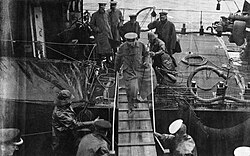
In June 1916, Kitchener embarked on a mission to Russia to attend negotiations with Tsar Nicholas II. On June 5, 1916, while aboard the HMS Hampshire, the ship struck a German mine approximately 1.5 miles west of Orkney, Scotland. The vessel sank, and Kitchener, along with 737 others, perished in the disaster.
Key Facts
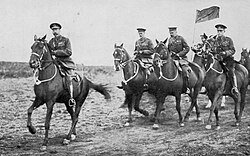
- Full Name: Field Marshal Horatio Herbert Kitchener, 1st Earl Kitchener.
- Key Roles: Secretary of State for War (1914–1916), Consul-General in Egypt, and Governor of Sudan.
- Major Campaigns: Mahdist War, Second Boer War, and First World War.
- Notable Achievement: Raising the volunteer "New Armies" for Britain in 1914.
- Death: Killed in action on June 5, 1916, when HMS Hampshire sank off the coast of Orkney.
| Period | Role/Position | Region/Context |
|---|---|---|
| 1871–1890s | Surveyor / Royal Engineers | Palestine, Egypt, Cyprus |
| 1892–1899 | Sirdar (Commander-in-Chief) | Egyptian Army |
| 1898–1899 | Governor | Sudan |
| 1900–1902 | Chief of Staff | South Africa (Boer War) |
| 1902–1909 | Commander-in-Chief | India |
| 1914–1916 | Secretary of State for War | United Kingdom (WWI) |
Memorials and Legacy
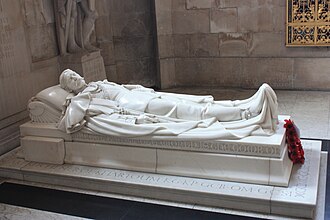
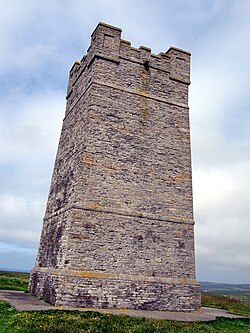
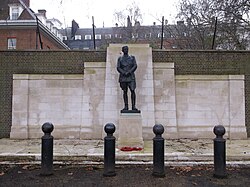
Kitchener's legacy is preserved through various memorials, including a prominent monument in St Paul's Cathedral, London, and another at Marwick Head in Orkney. His influence persists in geography, such as the city of Kitchener, Ontario, which was renamed from Berlin after his death.
Frequently Asked Questions
How did Lord Kitchener die?
Lord Kitchener died on June 5, 1916, when the HMS Hampshire struck a German mine and sank west of Orkney, Scotland, while he was en route to Russia.
What was Kitchener's role in the First World War?
He served as the Secretary of State for War, where he was primarily responsible for the massive expansion of the British Army through the recruitment of volunteer "New Armies."
What is the significance of the "Your Country Needs You" poster?
The poster became one of the most iconic pieces of propaganda in history, using Kitchener's image to encourage thousands of young men to enlist in the British Army in 1914.
Where was Lord Kitchener born?
He was born at Gunsborough Villa, north of Listowel, County Kerry, Ireland.
What was the Sirdar?
The Sirdar was the title given to the commander-in-chief of the Egyptian Army, a position Kitchener held starting in April 1892.