Fetish Magazines: History and Evolution of Niche Erotica
Fetish magazines are specialized publications dedicated to sexual fetishism—the sexual attraction to specific objects, materials, or situations. Emerging as a distinct genre in the late 1940s, these magazines focus on eroticism rather than explicit pornography, catering to specific desires that often remain misunderstood by the general public.
Because these publications focus on highly specific interests, the content can often seem baffling to those who do not share the particular fetishes being depicted or discussed.
Key Facts
- Origin: Became a recognized type of magazine in the late 1940s.
- Focus: Prioritizes eroticism over pornography.
- Specialization: Usually dedicated to a single specific fetish.
- Early Examples: Notable titles include Bizarre and London Life.
- Psychological View: Early research suggested these magazines provided a cathartic outlet for unsatisfied sexual needs.
Common Themes and Specializations
Rather than covering a broad spectrum of sexual content, fetish magazines typically narrow their scope to a specific theme. This allows them to serve a dedicated community of enthusiasts.
Common specializations include:
- Materials: Leather, rubber, and PVC fetishism.
- Dynamics: Bondage, sadomasochism, and female domination.
- Activities: Sexual roleplay and corporal punishment.
- Identity: Cross-dressing.
Historical Timeline and Notable Publications
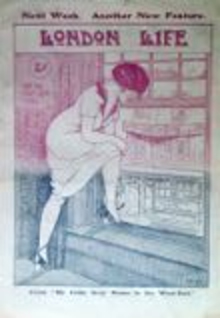
While the genre solidified in the post-war era, some precursors existed earlier. London Life, a British publication, dates back to the 1920s, appearing during the inter-war period of the 20th century.
The late 1940s saw the rise of more influential titles. Among the most well-known early examples was Bizarre (published from 1946 to 1959) by John Willie. Other significant publications produced by Leonard Burtman include Exotique, Masque, Connoisseur, Bizarre Life, High Heels, Unique World, and Corporal.
Academic Perspectives
In 1967, Gillian Freeman published a study titled The Undergrowth of Literature. Freeman concluded that these magazines served as a form of catharsis—a psychological release—for individuals whose sexual needs were not otherwise met. At the time of her study, she identified rubberwear magazines as the most popular variety.
Summary of Early Fetish Publications
| Publication/Author | Key Details |
|---|---|
| London Life | British magazine dating back to the 1920s. |
| Bizarre | Published by John Willie (1946–1959). |
| Leonard Burtman | Publisher of Exotique, Masque, Connoisseur, and others. |
| Rubberwear Magazines | Identified as the most popular in a 1967 study. |
Frequently Asked Questions
What is the primary difference between fetish magazines and pornography?
Fetish magazines are generally aimed at being erotic rather than pornographic, focusing on the psychological and sensory appeal of specific fetishes.
When did fetish magazines first become popular?
While some British titles like London Life existed in the 1920s, the genre became more established in the late 1940s.
Who were some of the most influential early publishers?
John Willie, who published Bizarre, and Leonard Burtman, who published titles such as Exotique and Masque, were prominent early figures.
What did early research say about the purpose of these magazines?
Gillian Freeman's 1967 study suggested that these publications provided a catharsis for people with unsatisfied sexual needs.
What are some common subjects found in these magazines?
Common subjects include leather, rubber, PVC, bondage, cross-dressing, female domination, and corporal punishment.