Female Infanticide and Gender Imbalance in China
For decades, China has grappled with a significant demographic challenge: a skewed sex ratio at birth. This imbalance is rooted in deep-seated cultural preferences for sons, who are traditionally viewed as the primary source of security and support for aging parents. In contrast, daughters are often expected to join their husband's family upon marriage, shifting their caregiving duties away from their natal home. In rural areas, which accounted for nearly half of the population as of 2014, sons are further valued for their ability to perform manual agricultural labor.
These societal pressures, compounded by the implementation of the One-Child Policy, led to a rise in practices aimed at ensuring the birth of a male heir. While the government has since outlawed these practices, the legacy of this era continues to shape China's social and demographic landscape.

Key Facts
- Cultural Drivers: Preference for sons is driven by elderly support needs and agricultural labor requirements in rural regions.
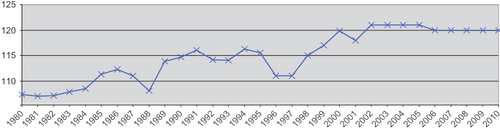
- Demographic Shift: The 2020 census reported a male-to-female ratio of 105.07, the most balanced since 1953.
- Social Consequences: Gender imbalances have contributed to a rise in sex trafficking and bridal kidnapping.
- Legal Protections: The Mother and Child Health Care Law (1994), Marriage Law, and Women's Protection Law all prohibit female infanticide.
- Data Dispute: Some researchers suggest that underreporting of female births may exaggerate the actual number of missing women.
The Impact of the One-Child Policy
The introduction of the One-Child Policy is widely cited as a catalyst for the resurgence of female infanticide—the intentional killing of newborn girls. The Geneva Centre for the Democratic Control of Armed Forces (DCAF) has noted that the demographic shortfall of female infants due to gender-related issues is comparable in scale to the estimated 191 million deaths resulting from all global conflicts in the twentieth century.
The severity of this issue was highlighted in the 2012 documentary It's a Girl: The Three Deadliest Words in the World, which examined the prevalence of female infanticide in both China and India.
Societal and Population Consequences
The systemic preference for males has led to a profound gender imbalance. By 2017, there were 33 million more men than women in China, and the birth rate had fallen to under 13 births per 1,000 people. This shortage of women of childbearing age has not only caused a decline in the overall population but has also fueled secondary social crises.
The scarcity of available women has led to an increase in sex trafficking and the bridal kidnapping of women, as well as the importation of brides from other countries to fill the demographic gap.
Governmental Interventions and Prevention
To combat these trends, the Chinese government has implemented several legal frameworks and social initiatives:
- Mother and Child Health Care Law (1994): This law prohibits the use of technology for sex identification of the fetus and bans selective abortions based on gender.
- Marriage Law and Women's Protection Law: These statutes explicitly prohibit female infanticide and seek to safeguard the rights of women.
- "Care for Girls" Campaign: A social initiative providing financial support to families with only daughters to promote gender equality.
The Debate Over Underreporting
While the gender gap is well-documented, some scholars argue that the statistics may be skewed. In 2016, researchers from the University of Kansas suggested that the disparity is exaggerated by administrative under-reporting. They proposed that between 10 to 15 million women missing from records since 1982 were not victims of infanticide, but were simply never registered at birth.
This underreporting is believed to be political; families may have delayed registration to avoid penalties, while local governments may have concealed a lack of enforcement from the central government. Despite these findings, the exact degree of the sex-ratio imbalance remains a subject of academic dispute.
| Category | Details |
|---|---|
| Primary Causes | Cultural preference for sons, agricultural labor needs, One-Child Policy. |
| Legal Measures | Mother and Child Health Care Law, Marriage Law, Women's Protection Law. |
| Social Effects | Population decline, sex trafficking, bridal kidnapping. |
| 2020 Census Ratio | 105.07 (male-to-female), the lowest since 1953. |
| Alternative Theory | Administrative under-reporting of 10-15 million female births. |
Frequently Asked Questions
Why was there a preference for sons in rural China?
Sons were traditionally preferred because they provided security and support for parents in old age and were essential for performing manual agricultural work.
What is the current status of the gender ratio in China?
According to the 2020 Seventh National Population Census, the male-to-female ratio has improved to 105.07, marking the most balanced ratio since the PRC began conducting censuses in 1953.
How has the government tried to stop female infanticide?
The government enacted the Mother and Child Health Care Law to ban sex-selective abortions and fetal sex identification, passed the Marriage and Women's Protection Laws, and launched the "Care for Girls" financial support campaign.
What is the theory regarding underreporting of female births?
Some researchers suggest that millions of women are "missing" from data not because of death, but because families and local officials failed to register female births to avoid political penalties.
What are the social consequences of the missing female population?
The imbalance has led to a decline in birth rates and an increase in illegal activities such as sex trafficking and the kidnapping of brides.