The Lockheed F-104 Starfighter: A Legacy of Speed and Controversy
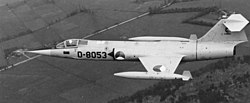
In the annals of aviation history, few aircraft have commanded as much respect and notoriety as the Lockheed F-104 Starfighter. Designed as a high-speed interceptor, this "missile with a man in it" pushed the boundaries of supersonic flight, setting numerous world records. However, its legacy is a complex tapestry of breathtaking engineering achievements and a challenging safety record that earned it somber nicknames in several air forces.
Key Facts
- Manufacturer: Lockheed (United States)
- Primary Role: Interceptor and Fighter-bomber
- Total Built: 2,578 aircraft
- Top Speed: Mach 2 (approximately 1,528 mph)
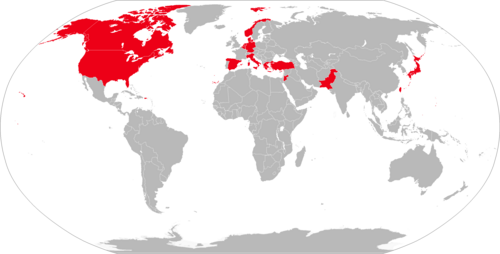
- Notable Users: United States, Germany, Turkey, Italy, Pakistan, and Taiwan
- Status: Retired from military service; currently operated by civilian "warbirds"
Development and Design
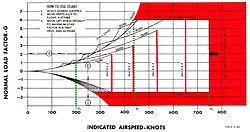
The Starfighter's journey began with the XF-104 prototype, which first took to the skies on 4 March 1954. The aircraft was engineered for extreme performance, characterized by its incredibly thin wings and high thrust-to-weight ratio. This design allowed it to reach supersonic speeds rapidly, but it also required exceptional pilot skill to manage.
Airframe and Aerodynamics
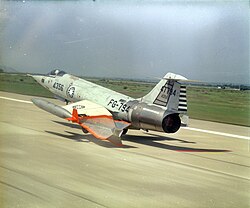
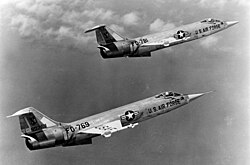
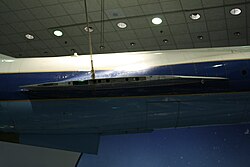
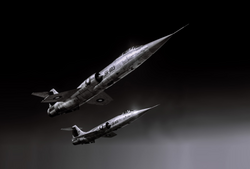
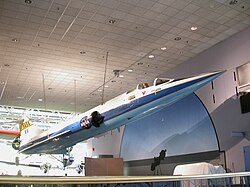
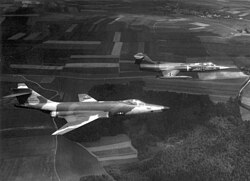
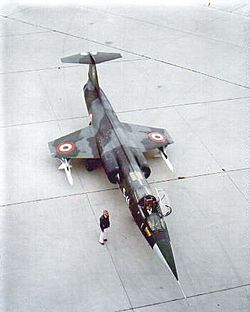
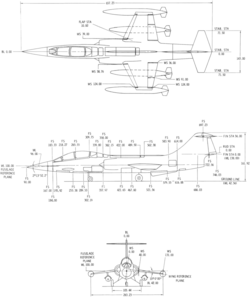
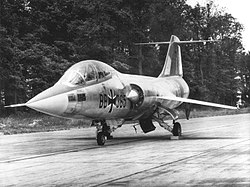
The F-104 is instantly recognizable by its long, slender fuselage and short, stubby wings. The biconvex airfoil (a wing shape that is curved on both the top and bottom) was designed to minimize drag at high speeds. This extreme aerodynamic refinement is visible in the sharpness of its leading edges.
Engine and Propulsion
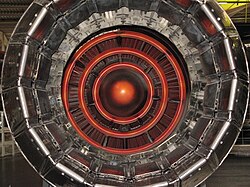
At the heart of the Starfighter's performance was the General Electric J79 turbojet engine. The engine provided the massive thrust necessary to achieve Mach 2. While the engine was a marvel of its era, early production models faced challenges with the afterburner—a component that injects fuel directly into the exhaust to provide a massive burst of thrust.
Armament and Avionics
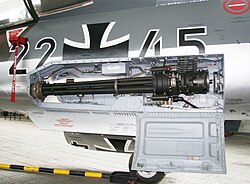
As an interceptor, the F-104 was equipped to engage enemy aircraft with both guns and missiles. A standard configuration included the M61A1 Vulcan, a 20mm six-barreled rotary cannon. For air-to-air combat, it could carry AIM-9 Sidewinder missiles. To find targets, the aircraft utilized advanced avionics, such as the NASARR radar system.
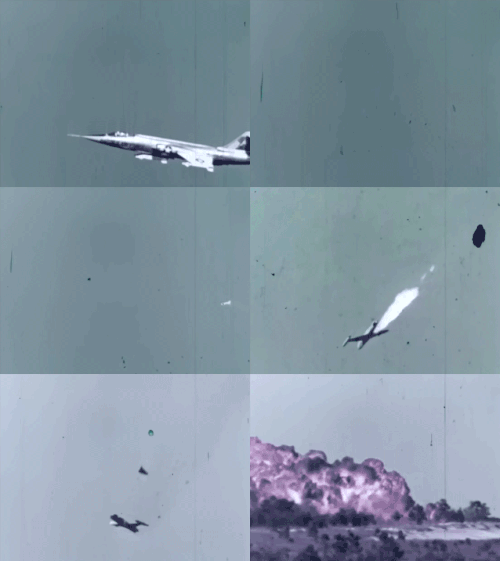
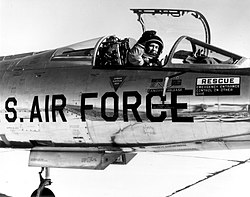
Pilot Safety: The Ejection Seat
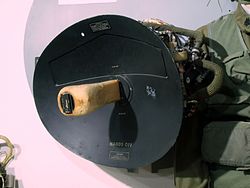
Given the high speeds and demanding flight envelope, the Martin-Baker ejection seat was a critical component for pilot survival during emergencies.
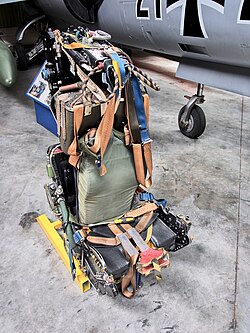
Operational History
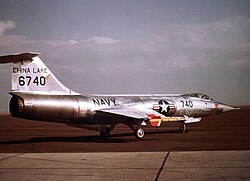
United States Air Force and the Vietnam War
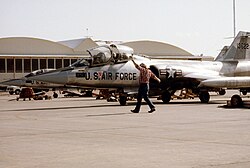
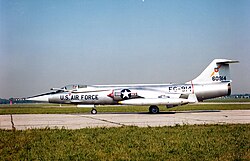
The USAF utilized the F-104 in various capacities, including the Air Defense Command and the Air National Guard. During the Vietnam War, the F-104C served as a multi-role fighter and fighter-bomber. Between 1965 and 1967, Starfighters flew over 5,000 combat sorties. While the aircraft performed its mission, the conflict saw the loss of 14 F-104s to various causes.
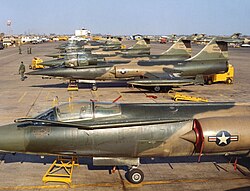
International Service and the "Widowmaker"
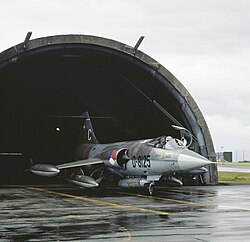
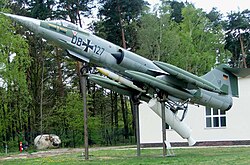
The F-104 saw widespread international adoption, but its reputation varied by nation. In the West German Air Force (Luftwaffe), the aircraft faced significant difficulties. Between 1961 and 1989, Germany lost 292 of its 916 Starfighters, leading the public to nickname the plane "Witwenmacher" (Widowmaker).
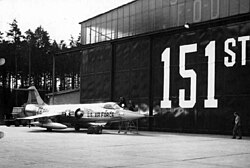
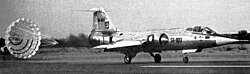
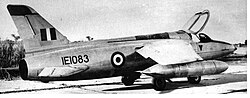
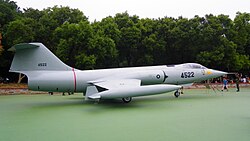
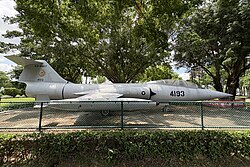
In contrast, other nations utilized the aircraft effectively in various conflicts. The Pakistan Air Force used the Starfighter during the Indo-Pakistani wars of 1965 and 1971, while the Republic of China (Taiwan) Air Force operated the aircraft through the late 1990s.
NASA and Space Research
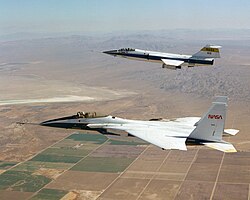
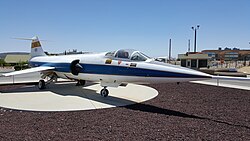
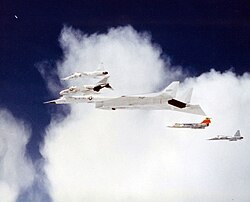
NASA utilized the F-104 for high-speed chase duties and specialized research. The aircraft's ability to reach extreme altitudes and speeds made it an ideal platform for testing components intended for spaceflight, such as Space Shuttle tiles.
Technical Specifications (F-104G Variant)
| Feature | Specification |
|---|---|
| Crew | 1 |
| Length | 54 ft 8 in (16.66 m) |
| Wingspan | 21 ft 9 in (6.63 m) |
| Max Speed | Mach 2 (1,528 mph) |
| Service Ceiling | 73,000 ft (22,000 m) |
| Rate of Climb | 48,000 ft/min |
| Armament | 1 × 20 mm M61A1 Vulcan; 4 × AIM-9 Sidewinder |
Variants and Production
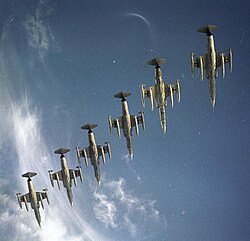
The Starfighter family was extensive, with various versions tailored for specific roles and nations. This included the CF-104 (Canadair), the Aeritalia F-104S (Italy), and the RF-104G (reconnaissance version).
Frequently Asked Questions
Why was the F-104 called the "Widowmaker"?
The nickname originated primarily in West Germany due to a high number of aircraft losses and pilot fatalities during its service life with the Luftwaffe.
What was the primary role of the F-104?
It was originally designed as a high-speed interceptor to engage enemy aircraft, but it was later adapted into a multi-role fighter-bomber.
Did NASA use the F-104?
Yes, NASA used F-104s as high-speed chase aircraft and for specialized research, including testing materials for the Space Shuttle.
How many F-104 aircraft were built in total?
A total of 2,578 Starfighters were produced by various manufacturers including Lockheed, Canadair, Fiat, and others.
Is the F-104 still in use today?
While retired from military service in most nations, several F-104s are still operated by civilian organizations as "warbirds."