Estanislao del Campo: The Satirical Voice of Argentine Poetry
Estanislao del Campo was a distinguished Argentine poet whose work bridged the gap between high art and the rustic identity of the 19th-century pampas. Born into a unitarian family—supporters of a centralized government—in Buenos Aires on February 7, 1834, del Campo lived a life defined by both military conflict and literary innovation.
Before establishing himself as a writer, del Campo was an active participant in the political turmoil of his era. He fought in the pivotal battles of Cepeda and Pavón, where he served in the defense of Buenos Aires.
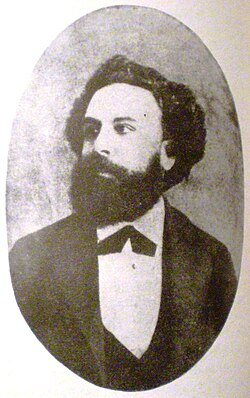
Key Facts
- Full Name: Estanislao del Campo
- Lifespan: February 7, 1834 – November 6, 1880
- Nationality: Argentine
- Most Famous Work: Fausto (1866)
- Literary Genre: Satirical and Gaucho literature
- Military Service: Fought in the battles of Cepeda and Pavón
Literary Contributions and the Gaucho Perspective
Del Campo is most celebrated for his contribution to Gaucho literature, a genre that focuses on the lives, language, and culture of the Argentine cowboys. His most enduring work, published in 1866, is the satirical poem Fausto.
In Fausto, del Campo employs a clever narrative device: he describes the impressions of a gaucho who attends a performance of Charles Gounod's opera Faust. The humor arises from the gaucho's misunderstanding of the theatrical medium, as he believes the dramatic events unfolding on stage are actually happening in real life.
Major Publications
Beyond his satirical success, del Campo produced several other notable works that reflected the political and social climate of Argentina:
- Los debates de Mitre (1857): An early work reflecting the political discourse of the time.
- Carta de Anastasio el Pollo sobre el beneficio de la Sra. La Grúa (1857): A piece featuring the recurring character of Anastasio el Pollo.
- Poesías (1870): A collection of his poems featuring a prologue written by José Mármol.
Legacy and Commemoration
The influence of Estanislao del Campo persists in the geography and culture of Argentina. His name is preserved in the San Isidro neighborhood of Buenos Aires, where a street is named in his honor. Additionally, a small town known for cotton production in the Formosa Province bears his name.
| Year | Work Title | Notable Feature |
|---|---|---|
| 1857 | Los debates de Mitre | Political commentary |
| 1857 | Carta de Anastasio el Pollo... | Early character study |
| 1866 | Fausto | Satire of Gounod's opera |
| 1870 | Poesías | Collected poems with prologue by José Mármol |
Frequently Asked Questions
What is Estanislao del Campo's most famous poem?
His most famous work is the 1866 satirical poem Fausto, which depicts a gaucho's reaction to an opera performance.
In which battles did Estanislao del Campo fight?
He fought in the battles of Cepeda and Pavón while defending Buenos Aires.
What is the premise of the poem Fausto?
The poem describes a gaucho who watches Charles Gounod's opera Faust and mistakenly believes the events on stage are real.
Where can you find places named after Estanislao del Campo today?
There is a street named after him in the San Isidro neighborhood of Buenos Aires, and a cotton-producing town in the Formosa Province is also named Estanislao del Campo.
Who wrote the prologue for his 1870 collection of poems?
The prologue for his 1870 work Poesías was written by José Mármol.