Ermine and Weasel Symbolism Across Europe
Throughout European history, the ermine—a species of short-tailed weasel—has occupied a unique place in the cultural imagination. From the royal courts of France to the folk traditions of Greece, these small mammals have been transformed into powerful symbols of purity, moderation, and even supernatural jealousy.
The Symbol of Purity and Power
In many European traditions, the ermine became a primary symbol of purity. This association stemmed from a widespread belief that the animal valued its pristine white winter fur above its own life. It was believed that if pursued by hunters, an ermine would choose to surrender and be captured rather than retreat into a dirty lair and soil its coat.
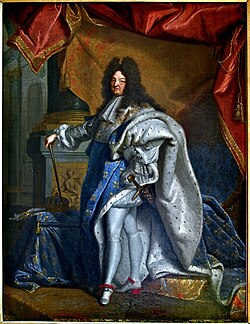
Because of this perceived commitment to cleanliness, ermine fur became a staple of high-status attire. For centuries, it was used in heraldry, as decorative trim on crowns and coronation cloaks, and within the official garments of Catholic Church prelates.
Regional Significance and National Identity
Brittany
The ermine holds a position of deep regional importance in Brittany, where it serves as the national symbol. This heritage is visually preserved today, as the Breton flag features an ermine canton.
Italy
In Renaissance Italy, the ermine carried diverse meanings. Leonardo da Vinci utilized the animal as a symbol of moderation in his famous painting, Lady with an Ermine. In his personal bestiary—a descriptive treatise on animals—da Vinci noted that the ermine's moderation was evident in its habit of eating only once a day and its refusal to stain its purity by hiding in a dirty environment.
Beyond moderation, ermines were also used during the Renaissance period in Italy to symbolize pregnancy.
Folklore and Superstition in Greece
While Western Europe viewed the weasel family through a lens of purity, Southern Greece developed a more cautionary relationship with the animal. In this region, the weasel is associated with the destruction of clothing, particularly wedding dresses.
The Greek word for weasel, νυφίτσα, translates to "little bride." Local legend suggests the weasel was once a human bride who was transformed; driven by jealousy toward human brides-to-be, she seeks to destroy their wedding arrays.
To prevent this, a specific wedding custom involves placing honey and sweetmeats—known as "the necessary spoonfuls"—out for the weasel. This offering is accompanied by a ceremonial song inviting the animal to eat and spare the dress.
In Macedonia, different folklore suggests that if a woman experiences a headache after washing her hair with water drawn overnight, it is because a weasel used the water as a mirror. According to this belief, the woman must avoid saying the name of the weasel aloud to prevent the household's clothing from decaying.
Key Facts
- Purity: The ermine was believed to prefer capture over dirtying its white fur.
- Heraldry: Ermine fur was traditionally used for coronation cloaks, crowns, and Catholic Church garments.
- Brittany: The ermine is the national symbol and appears on the Breton flag.
- Art: Leonardo da Vinci used the ermine to represent moderation.
- Greek Folklore: The weasel (νυφίτσα) is seen as a jealous former bride who targets wedding dresses.
| Region/Context | Primary Symbolism | Key Association |
|---|---|---|
| General Europe | Purity | Royal and ecclesiastical garments |
| Brittany | National Identity | The Breton flag |
| Italy (Renaissance) | Moderation & Pregnancy | Leonardo da Vinci's art and bestiary |
| Southern Greece | Jealousy/Destruction | Wedding dress damage |
| Macedonia | Domestic Decay | Water mirrors and clothing rot |
Frequently Asked Questions
Why was ermine fur used in royal clothing?
Ermine fur was used because the animal was believed to rather die than dirty its white coat, making it a powerful symbol of purity and moral integrity.
What does the ermine represent in Brittany?
The ermine is the national symbol of Brittany and is featured prominently in the region's flag.
How did Leonardo da Vinci interpret the ermine?
Da Vinci viewed the ermine as a symbol of moderation, noting that it eats only once a day and avoids dirty lairs to maintain its purity.
What is the "little bride" legend in Greece?
In Southern Greece, the weasel (called νυφίτσα or "little bride") is believed to be a transformed bride who destroys the wedding dresses of other women out of jealousy.
How do Greek traditions appease the weasel?
To protect wedding dresses, people offer "the necessary spoonfuls" of honey and sweetmeats while singing a ceremonial song to invite the weasel to eat and leave the clothing alone.