Encyclopædia Britannica: A Legacy of Knowledge from Print to Digital
For over two and a half centuries, the Encyclopædia Britannica has served as a cornerstone of general knowledge. From its origins in the 18th century to its modern evolution as a digital-first resource, this English-language encyclopedia has shaped how the world accesses information. Whether through massive multi-volume print sets or a streamlined online platform, the Britannica brand has remained synonymous with authoritative reference.
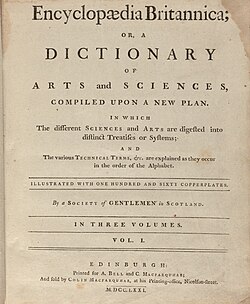
Key Facts
- First Published: 1768
- Original Founders: Colin Macfarquhar, Andrew Bell, and Archibald Constable
- Current Ownership: Encyclopædia Britannica, Inc.
- Media Evolution: Transitioned from multi-volume print to online-exclusive publication in 2016.
- Contributors: Over 4,400 named contributors as of 2008.
A Rich History of Editions
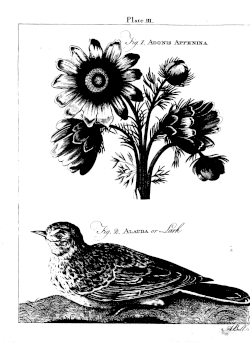
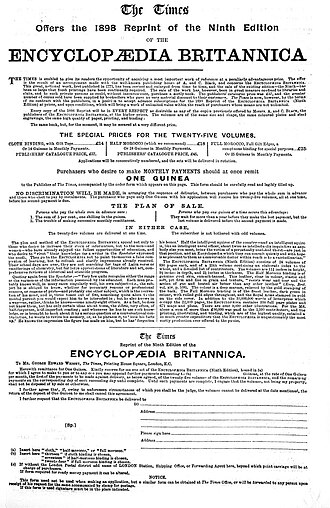
The history of the Britannica is marked by distinct eras of publication and management. The journey began in the United Kingdom, where the first six editions were produced between 1768 and 1824. During this foundational period, the publication was managed by its founders and Archibald Constable.
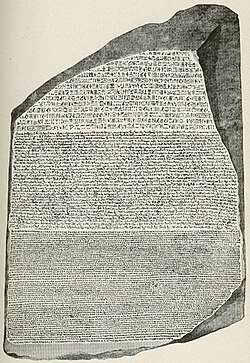
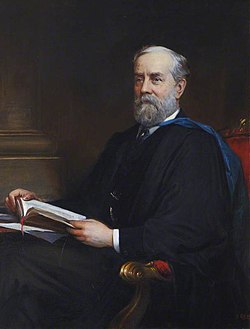
As the 19th century progressed, the encyclopedia became a vehicle for groundbreaking research. The early 19th-century editions were notable for including original scholarly work, such as Thomas Young's influential article on Egypt, which featured the translation of the Rosetta Stone hieroglyphs.
By the turn of the 20th century, the publication's center of gravity shifted. While it was published in the United Kingdom from 1768 to 1901, the publication place moved to the United States from 1901 onwards. The 11th edition, published in the early 1900s, remains a landmark in the history of reference works.
The Era of Frequent Revisions
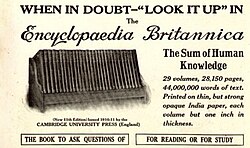
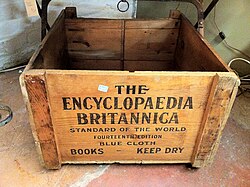
Starting with the 14th edition, the Britannica entered a period of almost annual revisions. Between 1929 and 1973, new versions of the 14th edition were released nearly every year, with only a few exceptions in 1931, 1934, and 1935. This era reflected a commitment to keeping information current in a rapidly changing world.
The Transition from Print to Digital
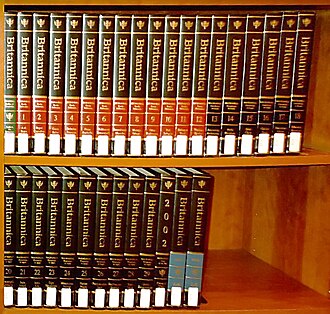
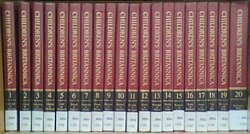
The 20th and 21st centuries brought significant changes to how information was consumed. The 15th edition represented the pinnacle of the print era. The 2010 version of this edition was a massive undertaking, spanning 32 volumes and 32,640 pages. This marked the final chapter for the printed Britannica.
As digital technology advanced, the company explored various media, including CD-ROMs and mobile versions. However, the rise of the internet and competitors like Wikipedia necessitated a fundamental shift. In 2016, Encyclopædia Britannica moved to an exclusively online model at Britannica.com.
Educational Branches
Recognizing the need for age-appropriate content, the company also developed specialized versions. Britannica Junior, first published in 1934, was a significant part of their educational outreach before being taken off the market after the 1984 printing. Today, digital tools continue to serve younger learners through specialized apps and online resources.
Summary of Publication Details
| Feature | Details |
|---|---|
| Subject | General knowledge |
| Language | British English |
| Print Era | 1768–2010 |
| Online Era | 1994–present |
| Dewey Decimal | 031 |
Frequently Asked Questions
When was the last printed edition of Britannica published?
The last printed version was the 2010 release of the 15th edition, which consisted of 32 volumes.
Is Encyclopædia Britannica still available today?
Yes, since 2016, the encyclopedia has been published exclusively as an online digital resource at Britannica.com.
Who were the original founders of the encyclopedia?
The encyclopedia was founded by Colin Macfarquhar, Andrew Bell, and Archibald Constable.
What is the difference between the Propædia, Micropædia, and Macropædia?
These are components of the 15th edition: the Propædia is the initial volume, while the Micropædia and Macropædia comprise the subsequent volumes.
How many contributors have worked on the Britannica?
As of 2008, there were 4,411 named contributors to the encyclopedia.