El Gráfico: The Legacy of Argentina's Sports Bible
For nearly a century, El Gráfico stood as the definitive record of athletic achievement in Argentina and across Latin America. Known affectionately as La Biblia del deporte ("The Bible of sports"), the publication evolved from a general-interest weekly into a powerhouse of sports journalism, blending high-quality photography with deep analytical chronicles.
Founded in 1919 by Uruguayan entrepreneur Constancio C. Vigil, the magazine was born out of the creation of Editorial Atlántida in Buenos Aires. While it began as a general news publication featuring photographs and epigraphs, it gradually shifted its focus toward the world of athletics, eventually becoming a dedicated sports magazine by 1925.
Key Facts
- Founder: Constancio C. Vigil.
- Founded: May 30, 1919, in Buenos Aires, Argentina.
- Nickname: La Biblia del deporte (The Bible of sports).
- Peak Sales: 690,998 copies during the 1986 FIFA World Cup.
- Most Featured Athlete: Diego Maradona, appearing on the cover 134 times.
- Format Evolution: Print (1919–2018) to Online-only (2018–present).
The Evolution of a Sporting Icon
From General News to Sports Specialization
The first issue of El Gráfico, released on May 30, 1919, was a tabloid-format publication that focused on general events, such as a children's parade at the Casa Rosada. It wasn't until issue #5 that the magazine featured its first football chronicle, and not until 1925 that it fully transitioned into a sports-exclusive publication. The magazine's name, which translates to "The Graphic," reflected its commitment to the predominance of imagery over text.
The Golden Age of Journalism
Between the 1930s and 1960s, the magazine was defined by legendary writers. Alfredo Rossi (known as "Chantecler") introduced an analytical approach to football, while Ricardo Lorenzo ("Borocotó") and Félix Frascara became household names. Borocotó was particularly famous for his simple style and his column "Apiladas," while Frascara dominated boxing coverage with his "Contragolpes" column.
Editorial Shifts and Leadership
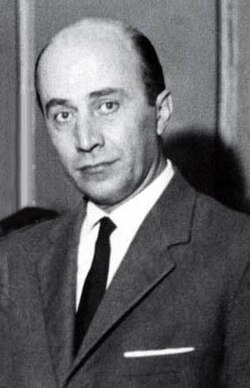
In 1959, Dante Panzeri took the helm. A critic of the excessive use of tactics in football, Panzeri's uncompromising style influenced generations of journalists, though it coincided with a significant drop in sales. He eventually left in 1962 after refusing to publish government advertisements that he felt would distort the magazine's spirit.
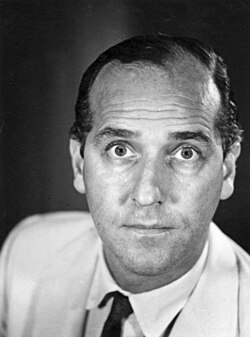
Following Panzeri, Carlos Fontanarrosa was appointed director. He modernized the editorial policy, focusing on current events and investing in new technology to improve visual quality. This era saw a recovery in sales and the addition of prestigious journalists like Julio César Pasquato ("Juvenal") and Emilio Lafferranderie ("El Veco").
Cultural Impact and Social Legacy
Defining the "Criollo" Style
El Gráfico played a pivotal role in defining the Argentine identity through football. The magazine championed La Nuestra ("Our Own"), a creole-style of play characterized by elegance and improvisation, contrasting it with the discipline and force of the British style introduced in the 19th century.
Breaking Barriers for Women in Sports
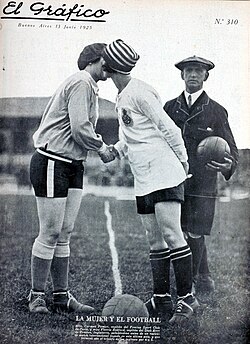
The publication was a pioneer in the representation of women athletes. During the 1920s and 1930s, El Gráfico helped normalize the image of the sportswoman, presenting them as active subjects with physical prowess rather than passive objects of beauty. In the 1930s, approximately 15% of the magazine's covers featured women, a breakthrough for the era.
The Transition to Digital
In 1998, the sports communication company Torneos y Competencias acquired the magazine. It transitioned from a weekly to a monthly frequency in 2002. The final print edition was published in January 2018, featuring manager Ariel Holan. Today, El Gráfico continues its legacy exclusively as an online publication.
| Attribute | Detail |
|---|---|
| Founder | Constancio Vigil |
| Print Era | 1919 – 2018 |
| Digital Era | 2018 – Present |
| Highest Circulation | 1986 World Cup (690,998 copies) |
| Key Figures | Diego Maradona, Carlos Fontanarrosa, Dante Panzeri |
Frequently Asked Questions
Why was El Gráfico called "The Bible of Sports"?
It earned this nickname due to its authoritative chronicles, the prestige of its collaborating journalists, and its high-quality photography that documented the history of sports in Latin America.
Who was the most featured athlete on the cover?
Diego Maradona is the most frequent cover subject in the magazine's history, appearing 134 times.
How did the magazine influence the perception of women in sports?
By featuring women athletes in action and highlighting their club memberships and achievements, the magazine helped shift the visual culture of Argentina, presenting women as active participants in sports.
When did the print version of the magazine end?
The final print issue was released in January 2018, after which the publication moved exclusively to an online format.
What was "La Nuestra"?
"La Nuestra" refers to the creole-style of football promoted by the magazine, which emphasized improvisation and elegance over the rigid discipline of the British style.