Eduardo Mallea: The Legacy of an Argentine Intellectual
Eduardo Mallea was a towering figure in 20th-century Argentine letters, blending the roles of essayist, cultural critic, novelist, and diplomat. Born on August 14, 1903, in Bahía Blanca, Mallea dedicated his life to exploring the complexities of Argentine identity and the broader human condition through a prolific body of work that spanned several decades.
His influence extended beyond his own writing; in 1931, he took on a pivotal role in the Argentine media landscape as the editor of the literary magazine for La Nación, one of the country's most prestigious newspapers. This position allowed him to shape literary discourse and engage with the intellectual currents of his time.
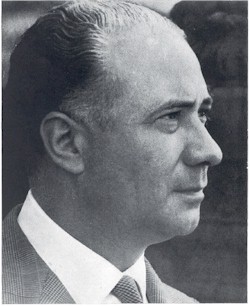
Key Facts
- Full Name: Eduardo Mallea
- Lifespan: August 14, 1903 – November 12, 1982
- Birthplace: Bahía Blanca, Argentina
- Deathplace: Buenos Aires, Argentina
- Primary Roles: Essayist, cultural critic, writer, and diplomat
- Notable Position: Editor of the literary magazine of La Nación (starting 1931)
Literary Contributions and Evolution
Mallea's bibliography is characterized by its diversity, moving seamlessly between essays (non-fiction prose that analyzes a specific subject) and various forms of narrative fiction, including novels, short stories, and nouvelles (short novels that fall between a short story and a full-length novel in length).
Essays and Cultural Criticism
Mallea used the essay format to dissect the social and spiritual fabric of his homeland. Early works such as Conocimiento y expresión de la Argentina (1935) and Historia de una pasión Argentina (1937) established him as a critical voice in Argentine cultural analysis. Later in his career, he continued this exploration with works like La guerra interior (1963) and Poderío de la novela (1965).
Narrative Fiction
His fictional works often mirrored his intellectual preoccupations. He produced a wide array of novels, including Nocturno Europeo (1935), Todo verdor perecerá (1943), and Triste piel del universo (1971). His ability to handle different scales of storytelling is evident in La Ciudad junto al rio inmóvil (1936), a collection of nine short novels, and his later short story collections such as La barca de hielo (1967) and La mancha en el mármol (1982).
Chronological Overview of Selected Works
| Year | Title | Genre |
|---|---|---|
| 1926 | Cuentos para una inglesa desesperada | Short Stories |
| 1935 | Conocimiento y expresión de la Argentina | Essay |
| 1935 | Nocturno Europeo | Novel |
| 1943 | Todo verdor perecerá | Novel |
| 1950 | Los enemigos del alma | Novel |
| 1963 | La guerra interior | Essay |
| 1971 | Triste piel del universo | Novel |
| 1985 | La noche enseña a la noche | Novel (Posthumous) |
Frequently Asked Questions
Who was Eduardo Mallea?
Eduardo Mallea was a prominent Argentine writer, diplomat, and cultural critic who lived from 1903 to 1982. He is remembered for his significant contributions to Argentine essays and novels.
What was Mallea's role at La Nación?
Starting in 1931, Mallea served as the editor of the literary magazine for the newspaper La Nación, where he influenced the literary landscape of Argentina.
What types of literature did he write?
Mallea wrote across multiple genres, including full-length novels, short stories, nouvelles, and analytical essays.
When and where was Eduardo Mallea born?
He was born on August 14, 1903, in Bahía Blanca, Argentina.
Which of his works were published posthumously?
The novel La noche enseña a la noche was published in 1985, three years after his death in 1982.